Arenal Volcano Hike Guide: Best Trails & Tips For 2026
Best Arenal hiking trails: El Ceibo, Las Coladas lava flows, Los Tucanes wildlife. $15 entry, 1-3 hours, easy-moderate. Complete 2026 trail guide.
Keep the national park’s marked base trails as a self-guided option. Mistico and Arenal 1968 are separate attractions; check which park a tour actually includes. Compare The Options Below.
Park check: SINAC’s Arenal Volcano National Park, Arenal 1968 lava trails and Mistico’s bridge circuit are different visits. Follow the official park hours; do not plan a national park night walk or pre-opening entry from a tour’s name.
Last updated: February 16, 2026
Earlier budget ranges in this guide are planning estimates, not current quotes. Confirm current fees, access rules and the selected tour option before booking.
TL;DR
Summit climbing is prohibited at Arenal Volcano due to ongoing volcanic activity and unstable slopes, but excellent hiking trails circle the base through old lava flows and rainforest at Arenal Volcano National Park and surrounding areas. Arenal 1968 offers lava and volcano-base trails; Mistico is a separate hanging-bridges park with its own entry. Park entrance costs $15 with trails ranging 1-3 hours, featuring wildlife spotting, volcano viewpoints, and lava flow landscapes. Best hiking happens early morning 6-8am before clouds obscure views and heat intensifies. Guided tours cost $65-85 adding naturalist expertise for wildlife spotting versus $15 self-guided park entry. Bring hiking boots, rain gear, 2+ liters water, sun protection, and binoculars. Trails are well-maintained but muddy during green season May-November requiring good traction. Most trails rate easy to moderate difficulty suitable for average fitness levels.
Can You Hike To The Summit Of Arenal Volcano?
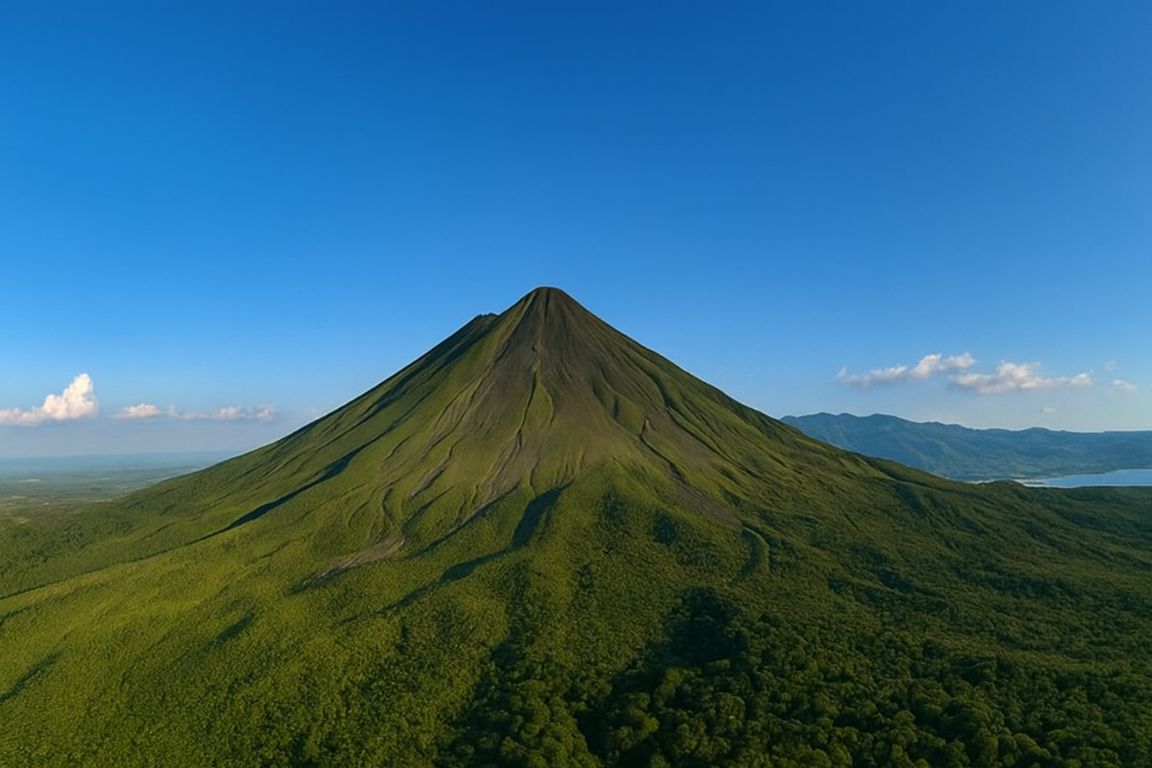
No, summit climbing is strictly prohibited at Arenal Volcano due to ongoing seismic activity, unstable volcanic slopes, toxic gases near the crater, and steep loose rock making it extremely dangerous even during the current dormant phase.
The upper slopes above 3,000 feet remain closed to all public access with park rangers enforcing the restriction, and attempting to climb illegally risks serious fines, immediate ejection from the park, and potential injury or death from rockfall or gas exposure.
This closure existed even during Arenal’s active eruption period 1968-2010 when climbing would have been suicidal, and continues now because dormancy doesn’t mean safe with the volcano maintaining potential for renewed activity.
Summit attempts were never allowed historically at Arenal unlike some other Costa Rican volcanoes like Irazú or Poás where you can drive to crater viewpoints, making this a fundamental characteristic of Arenal tourism not a temporary restriction.
Table: Arenal Volcano Access Restrictions
| Summit (5,437 ft) | Strictly Prohibited | Active volcano, toxic gases, unstable | View from distance | $500+ fine, ejection |
| Upper Slopes (3,000-5,400 ft) | Prohibited | Loose rock, gas vents, private land | Nothing | $500+ fine, ejection |
| Mid Slopes (1,500-3,000 ft) | Limited trails only | Controlled access for safety | Designated trails | Follow trail rules |
| Base/Lower (650-1,500 ft) | Open with park entry | Safe hiking zones | All marked trails | $15 entrance fee |
| Observatory Lodge Area | Private property access | Resort guests and diners | Pay for access | Must be guest/customer |
All hiking at Arenal happens on base and lower slope trails with summit and upper slopes permanently off-limits due to volcanic hazards and instability.
The good news is the base trails deliver excellent volcano views, traverse 1992 lava flows, pass through primary and secondary rainforest, and offer abundant wildlife without needing dangerous summit access.
Visitors occasionally express disappointment about not summiting, but honestly the views from base trails looking up at the perfect cone are more dramatic than anything you’d see from the top looking down.
I’ve had tourists argue with me about the closure thinking it’s just bureaucratic over-caution, but having studied Arenal’s geology and seen the unstable slopes up close, I can confirm this restriction genuinely protects lives.
What Are The Main Hiking Trails At Arenal Volcano National Park?
Las Coladas Trail (Lava Flow Trail) covers 1.2 miles through the 1992 lava flow on the volcano’s northern side, offering the most dramatic volcanic landscape with massive black lava rocks, secondary forest regenerating through cracks, and direct volcano views from the barren flow.
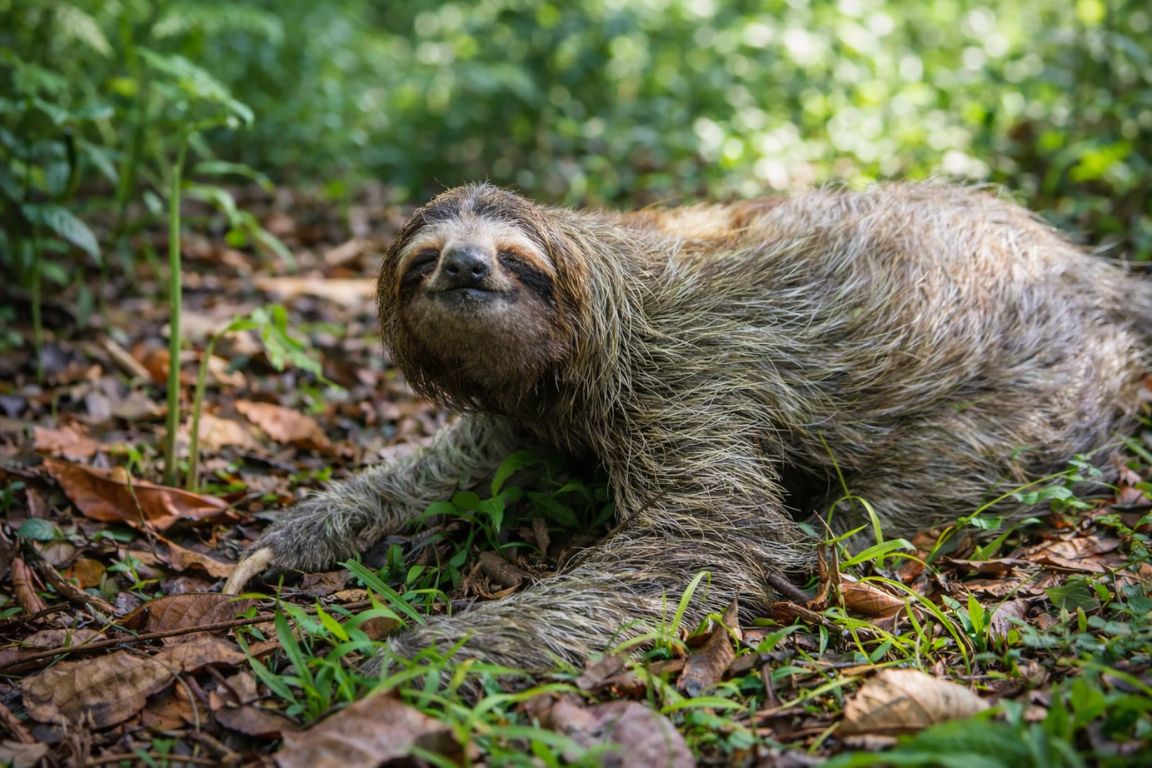
Los Tucanes Trail winds 1.9 miles through primary and secondary rainforest on the southern slopes, focusing on wildlife and bird watching rather than lava scenery, with toucans, howler monkeys, and sloths commonly spotted by patient hikers.
El Ceibo Trail runs just 1.2 miles as the easiest national park option, circling through secondary forest with a massive ancient Ceiba tree (El Ceibo) that’s hundreds of years old and considered sacred in indigenous cultures.
Table: Arenal Volcano National Park Official Trails Comparison
| Las Coladas (Lava) | 1.2 miles | 1-1.5 hrs | Moderate | 200 ft | Rocky lava, uneven | 1992 lava flow, volcano views | Low (barren) | Geology fans |
| Los Tucanes | 1.9 miles | 1.5-2 hrs | Moderate | 300 ft | Dirt/mud, roots | Rainforest, wildlife | Very High | Bird watchers |
| El Ceibo | 1.2 miles | 1-1.5 hrs | Easy | 150 ft | Flat dirt path | Giant Ceiba tree, easy walk | Medium | Families, seniors |
| Los Miradores | 0.6 miles | 30-45 min | Easy | 100 ft | Paved/gravel | Viewpoints, photos | Low | Quick visits |
Las Coladas delivers the most dramatic volcanic scenery while Los Tucanes offers best wildlife spotting, with El Ceibo providing the easiest walk for families or those with limited mobility.
The trails interconnect within the park allowing you to combine routes for 2-3 hour hikes covering multiple ecosystems, though most visitors stick to one or two trails during a single visit.
Trail conditions vary dramatically by season with dry season January-April offering firm footing and green season May-November turning sections muddy and slippery requiring good hiking boots.
Park entrance costs $15 per person regardless of which trails you hike, with the ranger station providing basic trail maps and current conditions information.
All trails are well-marked with occasional rest areas and viewpoints, though facilities are minimal with just pit toilets at the ranger station and no food or water available inside.
The park prohibits swimming in rivers, feeding wildlife, leaving trails, loud music, and camping, with rangers patrolling to enforce rules protecting both visitors and the ecosystem.
What Is The Arenal 1968 Trail And How Does It Compare?
Arenal 1968 is a private volcano-base hiking attraction with routes across the historic lava landscape. It is separate from Arenal Volcano National Park and from Mistico’s hanging bridges. Choose the national park or Arenal 1968 for lava and volcano scenery; choose Mistico for suspended walkways through the forest. Each has its own admission and operating hours. Check the official Arenal 1968 trail description before buying an entry or combo.
Table: Arenal 1968 Trail Vs National Park Trails
| Cost | $12 entrance | $15 entrance | 1968 Trail |
| Trail Length | 2.5 miles total | 1.2-1.9 miles each | 1968 Trail |
| Lava trails; separate admission | Lava trails; separate admission | None | 1968 Trail |
| Volcano Views | Limited (trees block) | Excellent (lava flows) | National Park |
| Lava Flows | Not featured | Main attraction | National Park |
| Wildlife | Moderate | High | National Park |
| Crowds | Lower | Higher | 1968 Trail |
| Facilities | Basic | Ranger station | National Park |
| Combination Value | Good standalone | Better with other parks | Tie |
Arenal 1968 offers lava and volcano-base trails; Mistico is a separate hanging-bridges park with its own entry.
Arenal 1968 offers lava and volcano-base trails; Mistico is a separate hanging-bridges park with its own entry.
However, if you specifically came to Arenal for volcano and lava flow scenery, the National Park’s Las Coladas Trail provides the iconic Arenal experience the 1968 Trail can’t match.
Arenal 1968 offers lava and volcano-base trails; Mistico is a separate hanging-bridges park with its own entry.
The 1968 Trail gets its name from the devastating eruption that year which destroyed three villages and killed 87 people, marking the beginning of Arenal’s modern active period that lasted until 2010.
What Are The Difficulty Levels Of Arenal Volcano Hiking Trails?
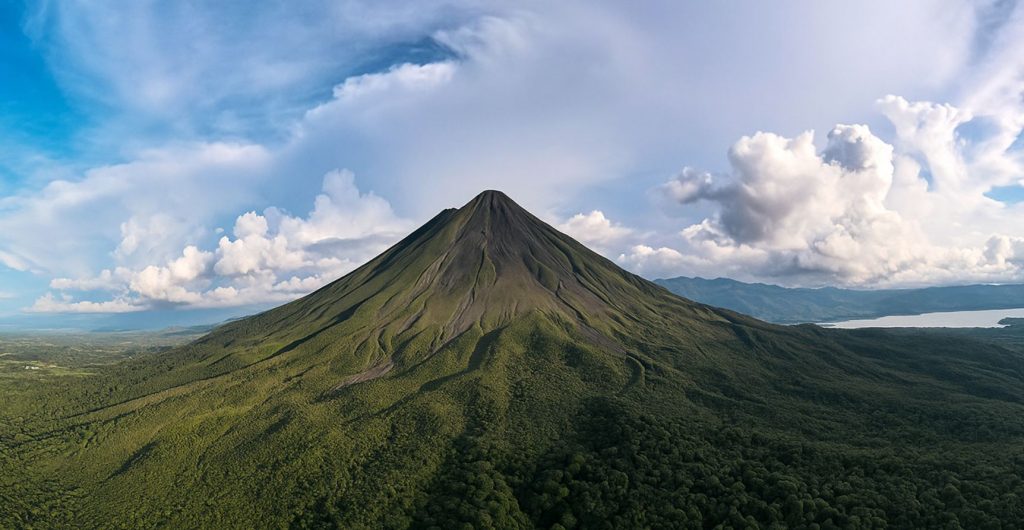
Easy trails like El Ceibo and Los Miradores in the National Park feature mostly flat terrain, well-maintained paths, minimal elevation gain under 150 feet, and distances under 1 mile making them suitable for families with young kids and seniors.
Moderate trails including Las Coladas, Los Tucanes, and Arenal 1968 involve some elevation gain (200-400 feet), uneven surfaces with roots and rocks, distances 1-2.5 miles, and require average fitness but don’t demand athletic ability.
There are no truly difficult trails around Arenal’s base since the challenging terrain exists on upper slopes that are off-limits, meaning anyone with reasonable health can hike here without advanced fitness.
Table: Trail Difficulty Rating Breakdown
| Easy | El Ceibo, Los Miradores | 0.5-1.2 miles | 50-150 ft | 30-75 min | Flat, maintained | Minimal | Kids 5+, seniors, beginners |
| Easy-Moderate | Las Coladas section | 0.5-1 mile | 100-200 ft | 45-90 min | Rocky but manageable | Basic | Most visitors |
| Moderate | Las Coladas full, Los Tucanes | 1.2-1.9 miles | 200-350 ft | 1-2 hours | Uneven, roots, mud | Average | Regular walkers |
| Moderate+ | Arenal 1968 full circuit | 2.5 miles | 300-400 ft | 2-3 hours | Lava trails; separate admission | Good | Active adults |
Most Arenal trails rate easy to moderate requiring average fitness without athletic training, making them accessible to 80%+ of visitors.
The “difficult” aspects come not from technical climbing or extreme elevation but from heat, humidity, and muddy conditions during green season that make moderate trails feel harder than their technical rating suggests.
A trail rated moderate in temperate climates feels more challenging in 85°F heat with 80% humidity, so factor in tropical conditions when assessing whether you can handle a particular route.
Green season mud transforms moderate trails into slippery challenges where you’re constantly watching foot placement and grabbing tree roots for stability, effectively increasing difficulty by one level.
I regularly see visitors underestimate tropical hiking conditions, showing up in running shoes during green season for “moderate” trails that become advanced difficulty when you’re sliding through mud.
When Is The Best Time To Hike Arenal Volcano Trails?
Early morning 6:00-8:00am delivers the best hiking conditions with cooler temperatures (70-75°F), clearer volcano views before clouds build, active wildlife, and fewer crowds on trails.
The park opens at 8am officially though some entrance points allow earlier entry, but arriving right at 8am still beats mid-morning crowds from tour buses that arrive 9:30-10:30am.
Dry season January-April offers the best overall trail conditions with firm footing, minimal mud, clearer views, and more predictable weather versus green season’s afternoon rain.
We cover detailed seasonal conditions, costs, and trade-offs in our comprehensive Best Time to Visit Arenal Volcano Costa Rica guide.
Table: Best Times For Arenal Volcano Hiking
| 6-8am | 68-75°F Cool | Not quantified; varies by conditions | Very High (feeding) | Very Low | Dry, firm | Excellent |
| 8-10am | 75-82°F Warming | Not quantified; varies by conditions | High | Medium | Dry, firm | Very Good |
| 10am-12pm | 82-88°F Hot | Not quantified; varies by conditions | Medium (hiding) | High | Dry, getting hot | Good |
| 12-2pm | 85-90°F Peak Heat | Not quantified; varies by conditions | Low (dormant) | Medium | Hot, humid | Fair |
| 2-4pm | 85-88°F Hot | Poor (clouds/rain) | Low | Low | Potentially wet | Poor |
| 4-6pm | 80-85°F Cooling | Poor (clouds) | Medium (emerging) | Very Low | Wet if rained | Fair |
Early morning 6-8am offers the absolute best conditions combining cool temps, clear views, active wildlife, and empty trails before tour groups arrive.
Afternoon hiking from 2-6pm should be avoided during green season May-November when heavy rain hits almost daily, turning trails into mud baths and obscuring volcano views completely.
The worst time is mid-day 11am-2pm when heat peaks, humidity soars, clouds obscure the volcano, and you’re sharing trails with maximum crowds from morning tour buses.
Month-wise, February and March provide peak dry season conditions with consistently clear mornings and minimal mud, while September-October bring the worst conditions with torrential afternoon rain.
Wildlife viewing particularly benefits from early starts when animals actively feed and move before hiding from midday heat, with sloths, monkeys, and birds most visible in cooler morning hours.
For optimal hiking experience visit during dry season February-March, start your hike 7-8am, and plan to finish by 11am before heat and clouds diminish the experience.
Book an early La Fortuna Sloth Walk if you want a naturalist along for wildlife spotting on the trails.
Should You Hike Arenal With A Guide Or Self-Guided?
Plan Your Next Step
Compare Your Complete Costs
Keep the national park’s marked base trails as a self-guided option. Mistico and Arenal 1968 are separate attractions; check which park a tour actually includes.
Booking links may earn us a commission at no extra cost to you. Prices and availability are confirmed by the booking provider.
10 Hours Listed
Volcano, Waterfall And Hot Springs
A planned day linking the main sights and a thermal soak.
- Includes
- Guide, listed park and hot springs fees, lunch and drinks.
- Getting There
- La Fortuna pickup; confirm your hotel.
A long walking day with waterfall steps. Does not promise Tabacón; not wheelchair accessible.
Book The Volcano & Waterfall Day3 Hours Maximum Listed
Mistico Guided Hanging Bridges Walk
Add a naturalist to a canopy walk while keeping the rest of your day free.
- Includes
- Park admission and naturalist guide.
- Getting There
- Meet at Mistico Park; transport is not provided.
Listed duration is 1–3 hours. Wildlife is not guaranteed. Listing states non-refundable; confirm before payment.
Book A Mistico Naturalist WalkGuided tours cost $65-85 and include transportation, naturalist guide with spotting scope, park entrance, and 2-3 hours of hiking where experts find sloths, monkeys, and birds you’d completely miss independently.
Wildlife sightings vary; a naturalist adds searching and interpretation, not a guaranteed animal count.
Wildlife sightings vary; a naturalist adds searching and interpretation, not a guaranteed animal count.
Table: Guided Vs Self-Guided Arenal Hiking Comparison
| Cost | $65-85 per person | $12-15 entrance only | Self-guided |
| Wildlife Sightings | Not quantified; varies by conditions | Not quantified; varies by conditions | Guided interpretation |
| Expert Knowledge | Naturalist interpretation | Your research only | Guided |
| Equipment Provided | Spotting scope, binoculars | Bring your own | Guided |
| Pace Control | Group pace, 2-3 hours | Your own timing | Self-guided |
| Transportation | Hotel pickup included | Self-transport needed | Guided |
| Schedule Flexibility | Fixed departure times | Any time you want | Self-guided |
| Trail Navigation | Guide leads, no worry | Follow signs yourself | Guided |
| Photography Time | Limited stops | Stop whenever | Self-guided |
Guided tours deliver dramatically more wildlife sightings and educational value while self-guided offers flexibility and costs less for budget travelers.
Wildlife sightings vary; a naturalist adds searching and interpretation, not a guaranteed animal count.
Photographers wanting specific shots or hikers with particular pace preferences often prefer self-guided freedom to stop whenever interesting subjects appear or move faster/slower than group pace allows.
Families with kids under 10 do better with self-guided hikes since children’s unpredictable energy, frequent stops, and short attention spans work poorly in structured group tours.
The compromise is booking a La Fortuna Sloth Walk for one hike to learn what to look for, then doing self-guided hikes the next day applying that knowledge to spot animals independently.
Serious birders often prefer self-guided since they already know bird calls and can move at birding pace which is too slow for general tourist groups.
Budget travelers doing exclusively free and cheap activities can skip the $65-85 guided tour, accepting they’ll miss most wildlife in exchange for saving money on the $12-15 park entrance only.
For complete analysis of costs, convenience, and wildlife viewing, see our Arenal Volcano Self-Drive vs Guided Tours guide.
What Should You Bring For Arenal Volcano Hiking?
Hiking boots with good traction and ankle support handle muddy trails better than running shoes or sandals, especially during green season when every trail becomes slippery clay.
Water is critical with 2+ liters needed per person for 2-3 hour hikes in tropical heat and humidity where you’ll sweat significantly more than temperate climate hiking.
Rain jacket works year-round since afternoon showers happen even in dry season, with lightweight packable options better than bulky raincoats that trap heat.
Table: Essential Vs Optional Hiking Gear For Arenal
| Hiking Boots | Essential | Mud, traction, ankle support | Green season critical | $60-120 | Closed-toe athletic shoes minimum |
| Water 2+ Liters | Essential | Heat/humidity, 3x normal thirst | Always critical | $2-4 | Refillable bottle from hotel |
| Rain Jacket | Essential | Sudden showers, year-round | Green season vital | $25-50 | Poncho $5-10 |
| Sun Protection SPF 30+ | Essential | Intense tropical sun | Lava flows, openings | $12-20 | Long sleeves |
| Insect Repellent DEET | Essential | Mosquitoes, other bugs | Green season worse | $8-15 | Long clothes, avoid dusk |
| Small Backpack | Very Important | Carry water, layers, gear | All hikes | $25-40 | Plastic bag emergency |
| Binoculars | Important | Wildlife viewing | Bird watching | $30-100 | Guide provides |
| Camera/Phone | Important | Volcano photos, memories | Clear morning days | Have it | None |
| Snacks Energy | Important | Energy on longer hikes | 2+ hour trails | $3-8 | Breakfast beforehand |
| Long Pants | Recommended | Brush, insects, sun | Overgrown trails | $30-60 | Light hiking pants |
| Hat Wide Brim | Recommended | Sun and rain protection | Exposed sections | $15-30 | Ball cap |
| Trekking Poles | Optional | Stability on mud/rocks | Green season, seniors | $30-60 | Walking stick |
| Extra Clothes | Optional | Change after wet/muddy hike | Green season | Varies | Wear muddy clothes |
Hiking boots, water, rain gear, sun protection, and bug spray rank as essentials while other items are helpful but not critical for safe comfortable hiking.
Sunscreen seems counterintuitive in cloudy rainforest but lava flow sections and viewpoints expose you to intense tropical sun that burns even through clouds.
Bug spray with DEET 25-30% protects against mosquitoes and other insects particularly bad during green season and at dawn/dusk when bugs are most active.
Cotton clothing is terrible for tropical hiking since it holds moisture and chafes, with quick-dry synthetic fabrics vastly superior for comfort and preventing rashes.
Trekking poles help significantly on muddy green season trails or for seniors and those with knee issues, though most average hikers manage fine without them on moderate Arenal trails.
Pack light since carrying excess weight in tropical heat exhausts you quickly, bringing only genuine necessities and leaving bulky unnecessary items at your hotel.
Many visitors bring way too much gear treating it like mountain hiking when Arenal’s trails are short enough that you’re never more than 45 minutes from the trailhead.
For complete packing lists including clothing, gear, and activity-specific essentials, see our guide on what to pack for Arenal adventures.
What Wildlife Can You Spot On Arenal Volcano Hikes?
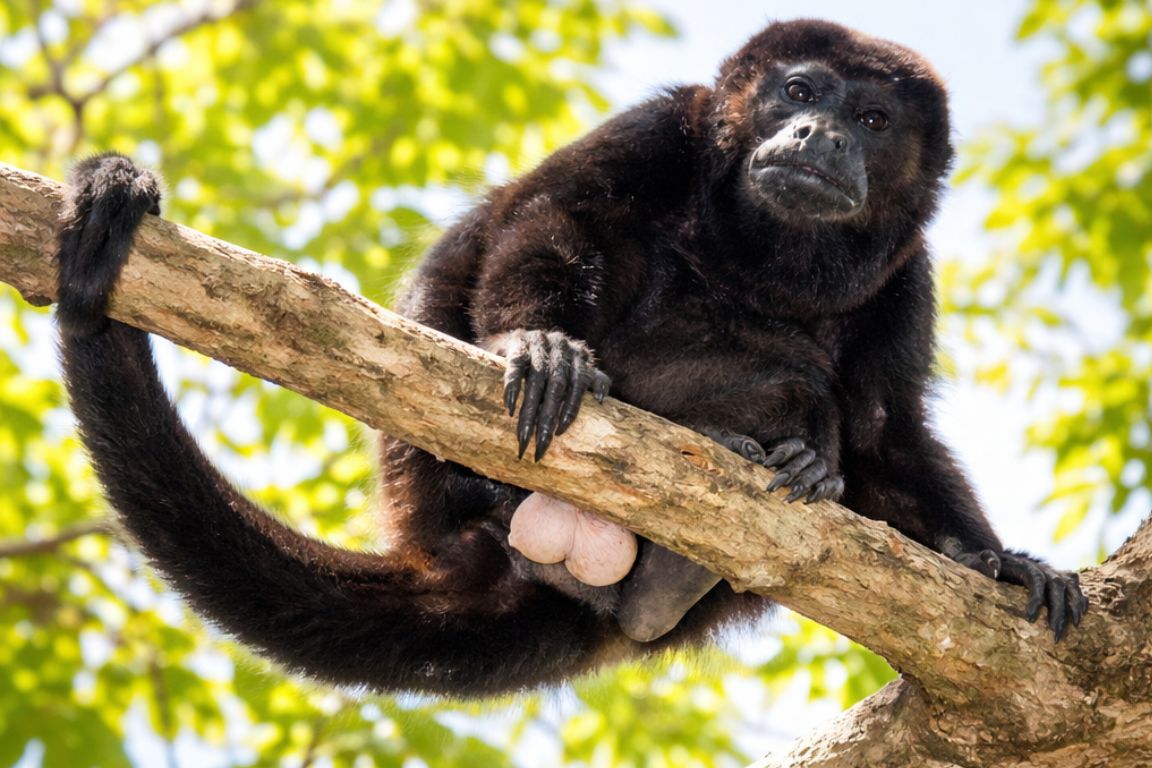
Wildlife sightings vary; a naturalist adds searching and interpretation, not a guaranteed animal count.
Howler monkeys travel in troops of 10-20 making loud roaring calls heard from miles away, usually spotted in morning hours feeding on leaves in upper canopy trees.
White-faced capuchin monkeys are smaller and more active than howlers, jumping between branches while foraging and often approaching curious about humans, creating great photo opportunities.
Table: Common Wildlife On Arenal Volcano Trails
| Three-Toed Sloth | Not quantified; varies by conditions | Los Tucanes, El Ceibo | Morning | 30-100 meters | Not quantified; varies by conditions | Motionless in trees |
| Howler Monkeys | Not quantified; varies by conditions | Los Tucanes | Early morning | 20-50 meters | Not quantified; varies by conditions | Loud calls, troops |
| White-Faced Capuchin | Not quantified; varies by conditions | Los Tucanes | Morning | 10-30 meters | Not quantified; varies by conditions | Active, curious |
| Toucans (various) | Not quantified; varies by conditions | Los Tucanes | Morning | 30-80 meters | Not quantified; varies by conditions | Fruiting trees |
| Coatis | Not quantified; varies by conditions | All trails | Anytime | 5-20 meters | Not quantified; varies by conditions | Ground foraging |
| Agoutis | Not quantified; varies by conditions | All trails | Morning | 10-30 meters | Not quantified; varies by conditions | Rodent-like, skittish |
| Jesus Christ Lizard | Not quantified; varies by conditions | Near water | Anytime | 2-10 meters | Not quantified; varies by conditions | Runs on water |
| Poison Dart Frogs | Not quantified; varies by conditions | Los Tucanes | Green season | 0-3 meters | Not quantified; varies by conditions | Tiny, ground level |
| Snakes (various) | Not quantified; varies by conditions | All trails | Anytime | 1-10 meters | Not quantified; varies by conditions | Well camouflaged |
| Butterflies | Not quantified; varies by conditions | All trails | Sunny periods | 0-5 meters | Not quantified; varies by conditions | Everywhere, obvious |
Wildlife sightings vary; a naturalist adds searching and interpretation, not a guaranteed animal count.
Bird diversity includes over 400 species in the Arenal region with toucans, motmots, trogons, parrots, and countless others visible to patient observers, particularly on Los Tucanes Trail designed for birding.
Reptiles like the Jesus Christ lizard (basilisk) that runs on water, numerous tree frogs, and occasional snakes (mostly harmless) add diversity though you need sharp eyes to spot well-camouflaged species.
Butterflies are everywhere and impossible to miss with brilliant blue morphos, orange Julia butterflies, and dozens of other species creating constant color throughout the trails.
The wildlife gap between guided and self-guided hiking is so dramatic that casual hikers without training in spotting camouflaged rainforest animals will literally walk past a sloth sitting 30 meters away and never notice it.
Guides use high-powered spotting scopes letting you see detailed views of animals 80-100 meters away, something impossible with naked eyes or basic binoculars.
What Are The Safety Considerations For Arenal Volcano Hiking?
Stay on marked trails at all times since wandering off-trail exposes you to hidden ravines, dangerous wildlife like fer-de-lance snakes, and potential volcanic hazards in restricted areas.
Never attempt to climb restricted upper slopes regardless of how safe they look, since volcanic gases can pool in low areas causing unconsciousness or death within minutes, and unstable rock causes frequent small slides.
Heat exhaustion poses the biggest actual danger with tropical temperatures and humidity causing rapid dehydration, requiring 2+ liters of water per person and recognition of warning signs like dizziness and nausea.
Table: Arenal Hiking Safety Risks And Prevention
| Heat Exhaustion | High | Common | Drink 2+ liters, rest in shade | Dizziness, nausea, weakness | Stop, cool down, hydrate |
| Dehydration | High | Very Common | Constant water drinking | Thirst, dark urine, headache | Drink water, rest |
| Slips/Falls on Mud | Medium | Common (green season) | Good boots, slow pace | None (prevention only) | Watch footing always |
| Snake Encounters | Low | Rare | Watch where you step, stay on trail | See snake nearby | Back away slowly |
| Bee/Wasp Stings | Low | Occasional | Don’t swat, move away calmly | Buzzing sounds | Walk away, treat sting |
| Getting Lost | Low | Rare | Stay on marked trails | Confusion about location | Return to last marker |
| Volcanic Gases | Very Low | Extremely Rare | Stay in allowed zones | Sulfur smell, breathing issues | Leave area immediately |
| Wildlife Attacks | Very Low | Almost Never | Don’t feed, keep distance | Aggressive animal behavior | Back away, don’t run |
Heat exhaustion and dehydration cause 90% of hiking problems at Arenal with proper hydration and pacing preventing most issues.
Snakes exist in rainforest but are rarely seen and even more rarely aggressive, with simple precautions like watching where you step and not putting hands in unseen areas virtually eliminating danger.
Afternoon thunderstorms during green season bring lightning risk making it wise to descend from exposed areas and finish hikes by early afternoon before storms hit.
Cell phone coverage is spotty on trails with service unreliable once you’re deep in the forest, so don’t count on calling for help if something goes wrong.
The national park has no medical facilities with the nearest clinic in La Fortuna 30-45 minutes away, emphasizing the importance of prevention over relying on emergency response.
Most injuries are minor twisted ankles or scrapes from falls on slippery trails, treatable with basic first aid, though guides carry first aid kits and know emergency protocols.
Solo hiking is allowed but not recommended since help isn’t readily available if you have problems, with groups of 2+ people much safer than venturing alone.
What Do Arenal Volcano Trails Look Like And What Will You See?
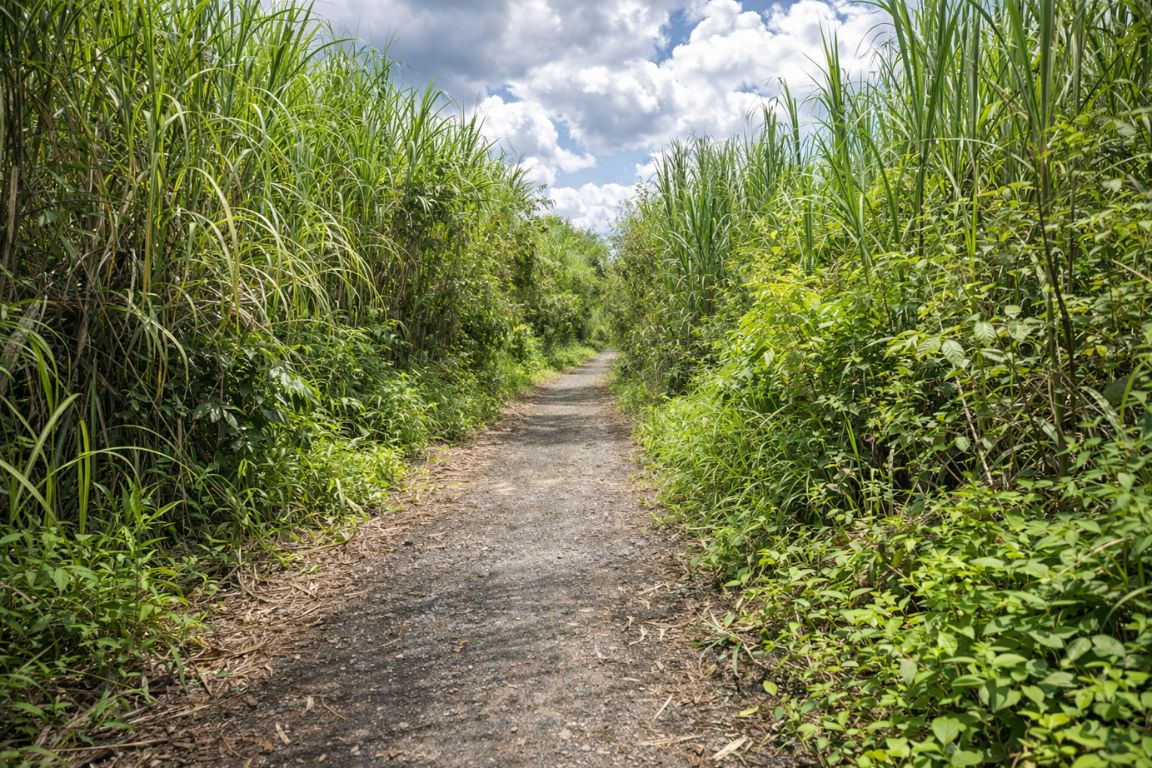
Las Coladas Trail crosses massive black basalt lava fields from the 1992 eruption with chunks ranging from baseball-size to car-size, creating an otherworldly landscape where only pioneer plants grow in cracks.
The lava flow appears lifeless initially but closer inspection reveals nature’s resilience with ferns, mosses, and small trees taking root in mineral-rich cracks where organic matter slowly accumulates.
Viewpoints along Las Coladas offer unobstructed volcano views since the barren lava provides no tree canopy obstruction, though midday clouds often obscure the peak by 10-11am.
Table: What You’Ll See On Each Major Trail
| Las Coladas | 1992 lava flows | Excellent (open) | Secondary regenerating | Minimal, few signs | Barren volcanic rock, pioneer plants | Outstanding volcano shots |
| Los Tucanes | Primary rainforest | Limited (trees) | Old growth, closed canopy | Ranger station nearby | Giant trees, wildlife | Wildlife close-ups |
| El Ceibo | Secondary forest | Fair (some openings) | Mixed age trees | More maintained | Sacred Ceiba tree | Tree portraits |
| Arenal 1968 | Secondary forest | Poor (trees block) | Regenerating since ’68 | Lava trails; separate admission | Canopy perspectives | Lava trails; separate admission |
Las Coladas delivers the most dramatic volcanic landscapes while Los Tucanes provides classic rainforest immersion with giant trees and wildlife.
The forest varies dramatically between primary old-growth on Los Tucanes with trees 100+ feet tall and closed canopy creating dark humid understory, versus secondary forest regrowing after disturbance showing more light and dense undergrowth.
Streams and small waterfalls cross several trails providing water features beyond just volcano and forest, with crystal-clear water flowing over volcanic rock creating picturesque settings.
Interpretive signs appear occasionally explaining volcanic processes, forest succession, or wildlife, though signage is minimal compared to heavily-developed parks in other countries.
The trails feel genuinely wild rather than manicured, with minimal development preserving natural character, though this means muddy conditions and root obstacles require attention.
Volcanic rock formations show different textures and colors ranging from the sharp jagged black aa lava to smoother ropier pahoehoe flows, visible to those who know what to look for.
What Are The Costs For Hiking Arenal Volcano?
Arenal Volcano National Park charges $15 per person entrance fee valid for single-day access to all trails with no separate fees for specific routes.
Arenal 1968 offers lava and volcano-base trails; Mistico is a separate hanging-bridges park with its own entry.
Guided hiking tours run $65-85 per person including transportation, naturalist guide, park entrance, and 2-3 hours of hiking with wildlife spotting using professional scopes.
Table: Complete Cost Breakdown For Arenal Hiking
| National Park Entry | $15 | All official trails, single day | At entrance gate | No (required) | None |
| Arenal 1968 Trail | Check Current Entry Fee | Lava trails; separate admission | At entrance booth | Yes (alternative park) | Free forest walks |
| Guided Tour | $65-85 | Transport, guide, entry, equipment | When booking | Yes (go solo) | Self-guide $15 |
| Transportation to Park | $0-20 | Depends on method | Varies | No (need to get there) | Walk, public bus $2 |
| Parking | $5 | If self-driving | At parking area | N/A | Included in tours |
| Gear Rental (boots, poles) | $15-25 | If needed | At rental shops | Yes (bring own) | Buy used $30-50 |
National Park entry at $15 represents the minimum cost for self-guided hiking while guided tours at $65-85 add significant cost but include expertise and transportation.
Private guided tours run $250-400 for groups of 4-8 people, working out to $30-100 per person depending on group size, offering personalized attention for those who can assemble a group.
Combination passes bundling national park entry with other attractions don’t exist, so you pay full price at each location unlike some other Costa Rican parks offering multi-day passes.
No discount exists for children, students, seniors, or Costa Rican residents at Arenal Volcano National Park, with everyone paying the same $15 entrance regardless of age or status.
The park accepts credit cards and US dollars as well as Costa Rican colones, though exchange rates may not be favorable so paying in colones saves a few dollars.
For groups of 4+ people, the $65-85 per person guided tour seems expensive, but when you factor in transportation, guide expertise, and wildlife spotting scope, the value becomes reasonable.
Budget travelers can absolutely hike Arenal for just $15 park entry, accepting they’ll miss most wildlife and educational context that guides provide.
See dates for the La Fortuna Sloth Walk if you want a short guided walk focused on wildlife.
FAQs
Can You Hike To The Top Of Arenal Volcano?
No, summit climbing is strictly prohibited due to ongoing volcanic activity, unstable slopes, toxic gases, and extreme danger, with all access limited to base trails under 3,000 feet elevation.
What Are The Best Hiking Trails At Arenal Volcano?
Las Coladas Trail (1.2 miles through 1992 lava flow) offers best volcano views, Los Tucanes Trail (1.9 miles) delivers best wildlife, El Ceibo Trail (1.2 miles) provides easiest family option.
How Difficult Is Hiking Arenal Volcano?
Most trails rate easy to moderate with 1-2.5 miles length, 150-400 feet elevation gain, and 1-3 hour duration suitable for average fitness without athletic training required.
How Much Does It Cost To Hike Arenal Volcano?
National Park entrance costs $15 for self-guided access to all trails, or $65-85 for guided tours including transportation, expert naturalist, park entry, and wildlife spotting equipment.
When Is The Best Time To Hike Arenal Volcano Trails?
Early morning 6-8am offers coolest temperatures, clearest volcano views, most active wildlife, and empty trails before tour groups, with dry season January-April providing best overall conditions.
Do You Need A Guide To Hike Arenal Volcano?
Wildlife sightings vary; a naturalist adds searching and interpretation, not a guaranteed animal count.
How To Plan Your Arenal Volcano Hiking Experience
Arenal 1968 offers lava and volcano-base trails; Mistico is a separate hanging-bridges park with its own entry.
Decide guided versus self-guided weighing wildlife expertise (guides add local searching expertise) against cost savings and flexibility of independent hiking.
Book dry season February-March for best conditions with firm trails and clear views, accepting green season May-November brings mud and clouds despite lower prices and emptier trails.
Start early 6-8am before heat intensifies, clouds build, and tour groups arrive, finishing hikes by 10-11am for optimal experience.
Pack essential gear including hiking boots with traction, 2+ liters water per person, rain jacket, sun protection, bug spray, and small backpack for comfortable safe hiking.
Allow 2-3 hours for single trail including transportation to/from trailhead, or 3-4 hours combining multiple trails in one visit.
Consider booking guided tour for one hike learning wildlife spotting techniques, then self-guided subsequent hikes applying that knowledge to save money while improving sightings.
Reserve guided tours 1-2 weeks ahead during high season December-April for preferred departures, subject to availability, just days ahead during green season with more availability.
For a guided walk with a naturalist on Arenal trails, see the La Fortuna Sloth Walk or the Arenal Volcano & Hanging Bridges Tour.
Glossary
- Las Coladas Trail: 1.2-mile national park trail crossing 1992 lava flows with excellent volcano views and barren volcanic landscape.
- Los Tucanes Trail: 1.9-mile rainforest trail best for wildlife spotting including sloths, monkeys, and toucans.
- Summit Closure: Permanent prohibition on climbing Arenal’s upper slopes above 3,000 feet due to volcanic hazards.
- Dry Season: January-April period with best hiking conditions featuring firm trails, clear views, and minimal rain.
- Green Season: May-November rainy period with muddy trails and clouds but fewer crowds and lower prices.
Key Takeaways
Arenal Volcano summit climbing is permanently prohibited with all hiking limited to base trails through lava flows and rainforest. Arenal 1968 offers lava and volcano-base trails; Mistico is a separate hanging-bridges park with its own entry. Wildlife sightings vary; a naturalist adds searching and interpretation, not a guaranteed animal count. Best hiking happens early morning 6-8am before clouds, heat, and crowds with dry season February-March offering optimal conditions. Bring hiking boots, 2+ liters water, rain gear, sun protection, and bug spray for safe comfortable hiking. Las Coladas delivers best volcano views and lava landscapes while Los Tucanes offers superior wildlife. Green season May-November brings muddy slippery trails requiring good traction boots. Most trails take 1-3 hours with minimal elevation gain under 400 feet. Heat exhaustion poses the biggest safety risk requiring proper hydration and pacing. Peak crowds hit 10am-12pm dry season with Las Coladas busiest trail. Arenal 1968 offers lava and volcano-base trails; Mistico is a separate hanging-bridges park with its own entry. Browse Arenal tours to add a guided walk to your hiking day.
Choose Your Activity Date
Volcano, Waterfall And Hot Springs: A planned day linking the main sights and a thermal soak.
Use the provider’s calendar to select your date, party and departure. Live availability is checked on the booking page.