Night Adventures: Arenal Volcano Night Hikes & Wildlife Tours 2026
Wildlife sightings vary; a naturalist adds searching and interpretation, not a guaranteed animal count. Easy walks, all fitness levels. Complete guide.
Choose darkness and nocturnal sounds for a night walk, or daylight for sloth-focused observation. The linked night walk uses private rainforest, not closed national park trails. Compare The Options Below.
The linked two-hour night walk is on private rainforest trails. It does not provide after-hours entry to Arenal Volcano National Park. No verified sighting-rate dataset supports the old percentage comparisons, and neither darkness nor a guide guarantees sloths.
Last updated: February 16, 2026
Earlier budget ranges in this guide are planning estimates, not current quotes. Confirm current fees, access rules and the selected tour option before booking.
TL;DR
Guided activities still involve outdoor risks. Follow the operator’s briefing, current weather decisions and posted access rules; discuss individual requirements before booking.
What Night Wildlife Tours Are Available At Arenal Volcano?
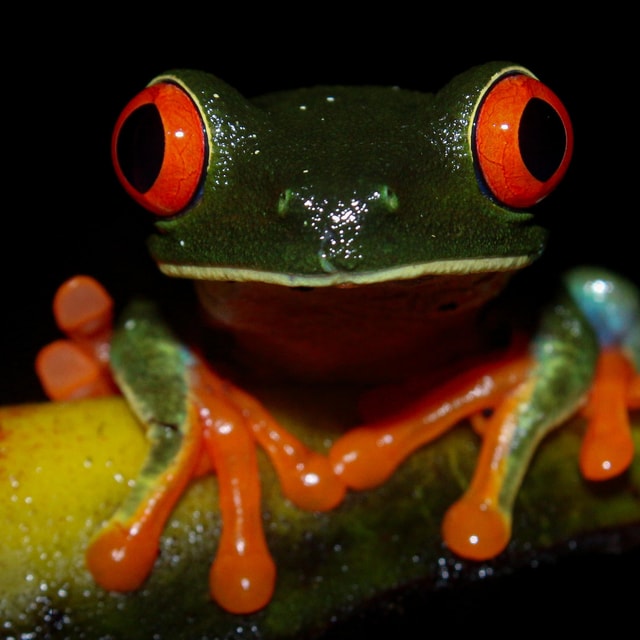
Standard night wildlife walks last 2-3 hours departing 6:00-6:30pm from La Fortuna hotels, hiking easy trails through rainforest and secondary growth while guides scan trees, ground, and vegetation with powerful flashlights spotting nocturnal creatures.
Night hanging bridges tours at select parks combine elevated walkways with darkness, offering unique canopy perspectives after hours when the forest comes alive with sounds and the few species visible create intimate encounters.
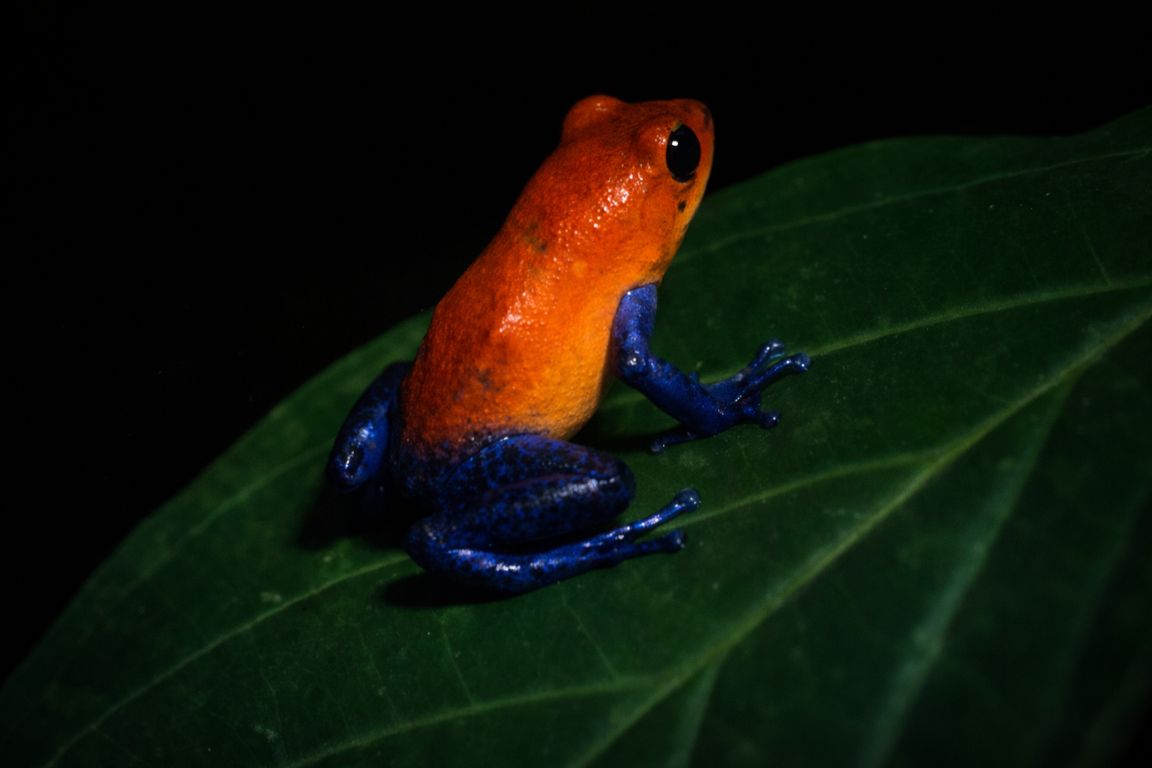
Frog-focused night tours target Costa Rica’s incredible amphibian diversity visiting known breeding sites where poison dart frogs, red-eyed tree frogs, glass frogs, and 10+ other species gather predictably.
Table: Night Tour Types At Arenal Comparison
| Standard Night Wildlife Walk | $75-95 | 2-3 hrs | 1-2 miles | Easy | All nocturnal species | Year-round | Most comprehensive |
| Night Hanging Bridges | $35-60 | 1.5-2 hrs | 1 mile | Easy | Canopy species | Year-round | Elevated perspective |
| Frog Night Tour | $45-65 | 1.5-2 hrs | 0.5 miles | Very Easy | Amphibians only | Green season best | Specialist focus |
| Private Night Tour | $250-350 group | 2-3 hrs | Custom | Easy | Tailored interests | Year-round | Personalized pacing |
| Night Safari Drive | $65-85 | 2-3 hrs | Minimal | Very Easy | Roadside species | Year-round | Vehicle-based |
Standard night wildlife walks deliver the most comprehensive nocturnal experience with diverse species across multiple habitats, making them the best choice for first-time night tour participants.
Night hanging bridges work when you’ve already done daytime hanging bridges and want to experience the same trails with completely different atmosphere and limited visible wildlife creating more intimate encounters.
Frog tours appeal to herpetology enthusiasts and photographers wanting macro shots of colorful tiny species, though the narrow focus means you skip mammals and other nocturnal creatures.
Private night tours cost significantly more but let couples or small groups customize pace, interests, and photography time without accommodating a larger group’s varied needs and speeds.
Night safari drives keep you in vehicles spotting roadside wildlife through windows and spotlights, suitable for those with mobility limitations who can’t walk trails but still want nocturnal experiences.
Most visitors choose standard night wildlife walks since they deliver the best diversity and value, combining guided expertise with comprehensive species coverage across the $75-95 price range.
What Nocturnal Wildlife Can You See On Arenal Night Tours?
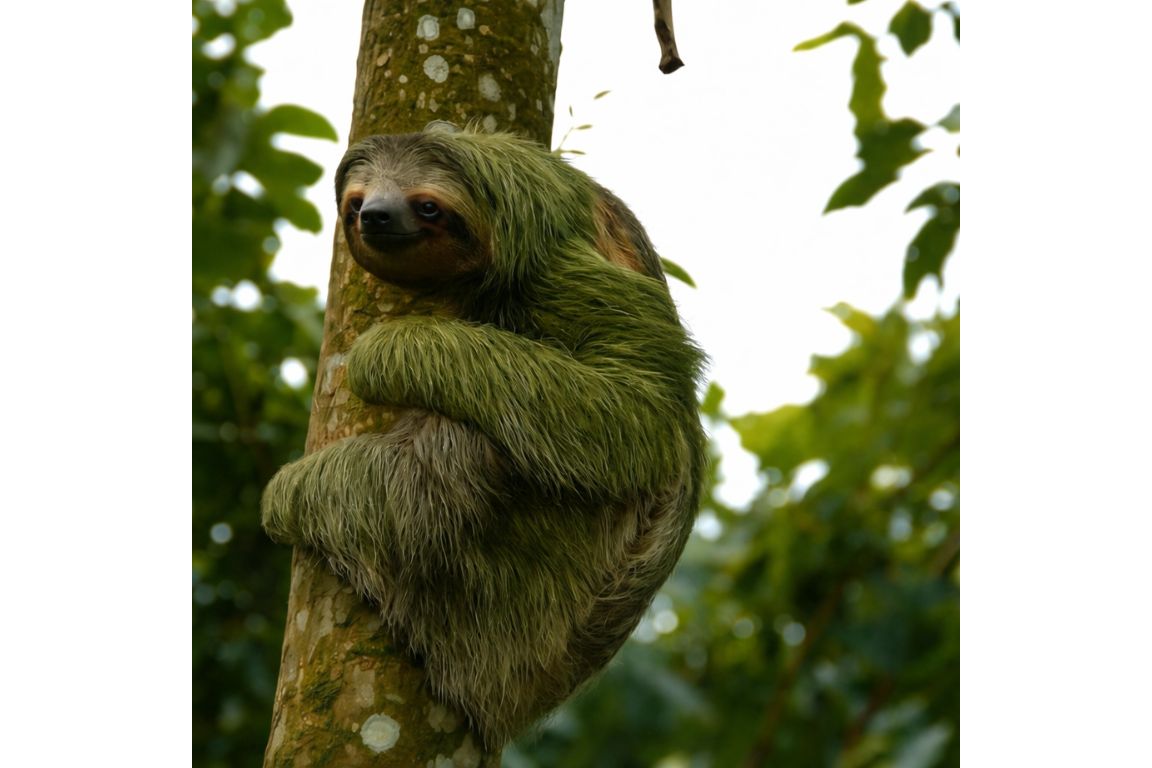
Wildlife sightings vary; a naturalist adds searching and interpretation, not a guaranteed animal count.
Kinkajous, members of the raccoon family with prehensile tails, actively forage at night eating fruits and insects, creating adorable sightings as they move through branches with cat-like agility.
Red-eyed tree frogs become active after dark when they’re hunting insects and breeding, with their vibrant green bodies and red eyes creating stunning photographic subjects on leaves near water.
Table: Nocturnal Wildlife At Arenal Sighting Frequency
| Three-Toed Sloth | Not quantified; varies by conditions | Sleeping/Still | Easy with guide | Trees 5-30m high | Excellent (still) | Visible vs hidden day |
| Two-Toed Sloth | Not quantified; varies by conditions | Active/Moving | Moderate | Trees 10-40m high | Good (moves) | Feeding time |
| Kinkajou | Not quantified; varies by conditions | Very Active | Moderate | Fruiting trees | Fair (fast) | Nocturnal only |
| Red-Eyed Tree Frog | Not quantified; varies by conditions | Active | Easy with guide | Near water/leaves | Excellent (still) | Breeding/active |
| Glass Frog | Not quantified; varies by conditions | Still | Hard (tiny) | Underside leaves | Good (translucent) | Visible on leaves |
| Poison Dart Frog | Not quantified; varies by conditions | Moderate | Moderate (small) | Forest floor | Excellent (colorful) | More active |
| Tarantulas | Not quantified; varies by conditions | Still/Slow | Easy | Tree bark, burrows | Excellent (large) | Out of burrows |
| Snakes (various) | Not quantified; varies by conditions | Still/Hunting | Hard (camouflaged) | Trees, ground | Good if found | Hunting time |
| Stick Insects | Not quantified; varies by conditions | Still | Moderate (camouflaged) | Branches | Good (bizarre) | Visible on vegetation |
| Katydids | Not quantified; varies by conditions | Still/Moving | Easy | Vegetation | Excellent (colorful) | Active, visible |
| Scorpions | Not quantified; varies by conditions | Still/Hunting | Moderate (UV light) | Ground, bark | Good (glows UV) | Active hunters |
Wildlife sightings vary; a naturalist adds searching and interpretation, not a guaranteed animal count.
Frogs of all types become dramatically more visible at night when they emerge to hunt, breed, and call, with Costa Rica’s incredible amphibian diversity creating opportunities to see 5-10 species in a single tour.
Tarantulas emerge from burrows after dark to hunt, sitting motionless on tree trunks or forest floor where their large size (6+ inch leg span) makes them easy to spot despite camouflage.
Wildlife sightings vary; a naturalist adds searching and interpretation, not a guaranteed animal count.
Insects explode in diversity at night with stick insects, katydids, walking sticks, moths, and beetles creating constant discoveries, particularly appealing to macro photographers wanting bizarre close-up subjects.
The wildlife gap between guided night tours and independent night hiking is even more dramatic than daytime, with trained guides finding 15-25 species versus the 1-2 you’d spot alone stumbling through darkness.
Book the La Fortuna Night Wildlife Walk if you want a guided walk with a naturalist after dark.
How Do Night Tours Differ From Day Wildlife Tours At Arenal?
Wildlife sightings vary; a naturalist adds searching and interpretation, not a guaranteed animal count.
Plan Your Next Step
Compare Your Complete Costs
Choose darkness and nocturnal sounds for a night walk, or daylight for sloth-focused observation. The linked night walk uses private rainforest, not closed national park trails.
Booking links may earn us a commission at no extra cost to you. Prices and availability are confirmed by the booking provider.
2 Hours Listed
La Fortuna Night Wildlife Walk
Search for nocturnal rainforest life after your daytime plans.
- Includes
- Naturalist, entry and flashlight.
- Getting There
- Meet at Night Tour La Fortuna; confirm any transfer separately.
Private rainforest setting, not after-hours national park access. Wildlife varies; child and mobility suitability unverified.
Reserve A Night Wildlife Walk2.5 Hours Listed
Sloth Walk With A Typical Snack
Spend a focused walk searching for sloths with local interpretation.
- Includes
- Guided walk and typical snack.
- Getting There
- Meet at the listed La Fortuna starting point; verify directions.
A wildlife search, not a sighting guarantee or a national park ticket. Child and access suitability need confirmation.
Book A La Fortuna Sloth WalkWildlife sightings vary; a naturalist adds searching and interpretation, not a guaranteed animal count.
The sensory experience shifts from visual observation during day to sound-focused darkness where frog calls, insect sounds, and rustling leaves create atmosphere before you even see animals.
Table: Night Vs Day Wildlife Tours Comprehensive Comparison
| Cost | $75-95 | $70-85 | Similar (tie) |
| Duration | 2-3 hours | 3-4 hours | Day (longer) |
| Species Variety | Not quantified; varies by conditions | Not quantified; varies by conditions | Tie (both high) |
| Sighting Reliability | Not quantified; varies by conditions | Not quantified; varies by conditions | Night |
| Photography Difficulty | Very Hard (low light) | Easy-Moderate | Day |
| Physical Demand | Very Easy (slow pace) | Easy-Moderate | Night |
| Distance Covered | 1-2 miles | 2-3 miles | Day |
| Temperature | Cooler (70-75°F) | Warmer (75-85°F) | Night |
| Unique Species | Kinkajous, frogs, insects | Birds, active monkeys | Different focus |
| Sloth Viewing | Easier (eye-shine) | Harder (hidden) | Night |
| Kids Suitable | Yes (exciting mystery) | Yes (visual learning) | Both |
| Claustrophobia Factor | Some (darkness) | None | Day |
Night tours deliver higher sighting reliability and different species but sacrifice photography opportunities and distance covered versus day tours’ better lighting and longer exploration.
Walking pace slows dramatically at night with constant stops to observe animals and scan vegetation, covering maybe half the distance of day tours but with equivalent species sightings.
Group dynamics differ with night tours creating shared excitement when flashlights reveal hidden creatures, versus day tours’ more independent observation through binoculars at distant animals.
Guides play an even more critical role at night since you’re completely dependent on their expertise and lighting to find anything, versus daytime where you might occasionally spot animals independently.
A practical pairing is the La Fortuna Sloth Walk by day and the La Fortuna Night Wildlife Walk after dark, so you see different animals on each walk.
Budget travelers choosing just one tour should pick night tours since the novelty factor, higher sighting reliability, and completely different species deliver more unique value than day tours replicating what you see independently.
Photography enthusiasts should prioritize day tours since night photography requires expensive fast lenses and high ISO capabilities most casual cameras lack, producing disappointing results despite incredible subjects.
What Should You Bring On Arenal Night Wildlife Tours?
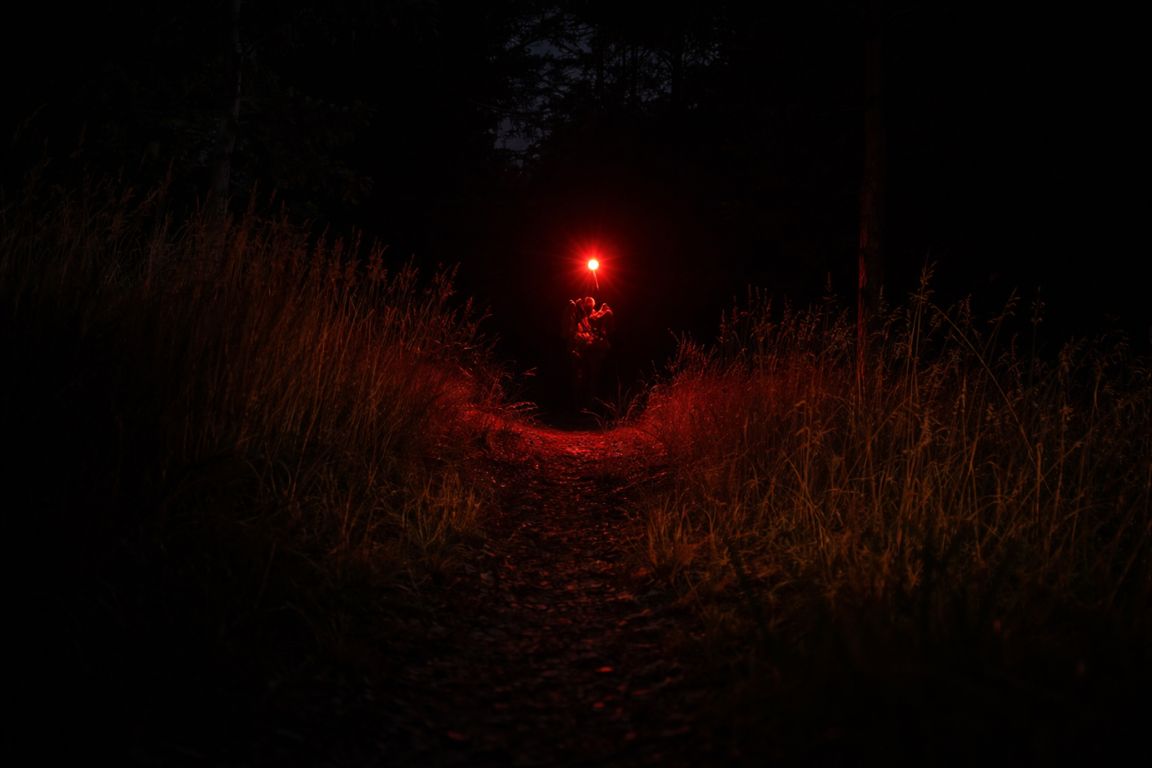
Closed-toe shoes with good traction are essential since trails become slippery after dark and you can’t see obstacles like roots, rocks, or mud puddles that you’d easily avoid during daylight.
Insect repellent with DEET 25-30% protects against mosquitoes and other bugs that intensify after sunset, particularly important during green season when bug activity peaks.
Flashlight or headlamp with red filter option helps you navigate without waiting for the guide’s light, though red filters are critical since white light disturbs wildlife and ruins others’ night vision.
For complete packing lists including clothing, gear, and activity-specific essentials, see our guide on what to pack for Arenal adventures.
Table: What To Bring On Night Tours – Essential Vs Optional
| Closed-Toe Shoes | Essential | Safety, traction, snake protection | Always | $40-80 | No |
| Insect Repellent DEET | Essential | Mosquitoes, bugs | Green season | $8-15 | Sometimes |
| Light Rain Jacket | Essential | Sudden showers | Green season | $25-50 | No |
| Water Bottle | Very Important | Hydration despite cooler temps | Always | $2-5 | No |
| Camera Phone/Basic | Important | Photos (limited success) | If you want photos | Have it | No |
| Flashlight Red Filter | Important | Personal navigation | Dark trails | $15-30 | Sometimes |
| Long Pants | Recommended | Brush, insects, warmth | Overgrown trails | $30-60 | No |
| Light Layers | Recommended | Cooler night temps | Dry season | $25-50 | No |
| Binoculars | Optional | Closer views | Distant animals | $30-100 | Guide has scope |
| Professional Camera | Optional | Quality night photos | Photography focus | $500+ | No |
| Plastic Bag for Electronics | Recommended | Rain protection | Green season | $0-2 | No |
Closed-toe shoes rank as the most essential item since flip-flops or sandals create serious safety hazards on dark trails where you can’t see where you’re stepping.
Rain jackets matter even in dry season since brief evening showers can occur unpredictably, and being wet in 70°F night temperatures feels much colder than daytime humidity.
Long pants protect against brush, insects, and provide warmth when temperatures drop to 68-72°F at night, though many visitors tour comfortably in shorts during warmer months.
Water remains important despite cooler temperatures since you’ll still sweat during the humid walk, though you need less than daytime hikes requiring 2+ liters.
Professional cameras with fast lenses (f/2.8 or faster) and high ISO capabilities (6400+) produce quality night wildlife photos, but casual point-and-shoot or phone cameras will disappoint with blurry dark images.
Most visitors should accept that photos will be poor to mediocre and focus on enjoying the experience rather than frustration over failed night photography attempts with inadequate equipment.
Guides provide powerful flashlights and laser pointers to illuminate animals, plus spotting scopes for closer views, so you don’t need to bring your own professional gear.
The mistake is over-packing as if you’re doing a mountain expedition when night tours are short easy walks lasting 2-3 hours close to civilization.
Are Night Hikes At Arenal Volcano Dangerous Or Safe?
Guided activities still involve outdoor risks. Follow the operator’s briefing, current weather decisions and posted access rules; discuss individual requirements before booking.
Venomous snakes exist in the rainforest but avoid human groups with lights and noise, making encounters extremely rare, and guides train specifically in snake identification and safe observation distances.
The perception of danger from darkness exceeds actual risk since you’re with an expert who’s done this hundreds of times, on trails they know intimately, with flashlights eliminating the unknown.
Table: Night Tour Safety Risks Reality Vs Perception
| Snake Encounters | Very Low | Rare (5-10% tours) | Groups, lights, noise | Observe from distance | Snakes avoid humans |
| Getting Lost | None | Never | Stay with guide, marked trails | Never happens | Guides know trails perfectly |
| Dangerous Animals | None | Never | No nocturnal predators | Not applicable | No jaguars, aggressive animals |
| Falling/Injury | Very Low | Rare (slips) | Slow pace, good shoes | First aid kit | Walk slower than day |
| Spider/Insect Bites | Low | Occasional | Repellent, closed shoes | Antihistamines | Usually harmless |
| Weather Danger | Very Low | Rare | Check forecasts, rain gear | Cancel if severe | Brief showers only |
| Claustrophobia/Anxiety | Low | Some visitors | Mental prep, communication | Accommodate, return | Real but manageable |
The actual highest risk on night tours is twisted ankles from unseen obstacles, prevented by wearing proper shoes and walking slowly behind the guide’s illuminated path.
Guided activities still involve outdoor risks. Follow the operator’s briefing, current weather decisions and posted access rules; discuss individual requirements before booking.
Snakes spotted on tours (35% frequency) are observed from safe distances with guides explaining species and behavior, not dangerous encounters requiring intervention or evacuation.
Claustrophobia or anxiety from darkness affects maybe 5-10% of participants who didn’t anticipate their reaction, though guides accommodate by staying near the front where lights are brightest.
Weather poses minimal danger since tours avoid operating during severe thunderstorms or flooding conditions, with brief rain being the main weather factor.
Tour companies maintain insurance, certified guides, emergency communication, and first aid equipment meeting Costa Rican tourism safety standards that are quite stringent.
Guided activities still involve outdoor risks. Follow the operator’s briefing, current weather decisions and posted access rules; discuss individual requirements before booking.
When Is The Best Time For Night Tours At Arenal Volcano?
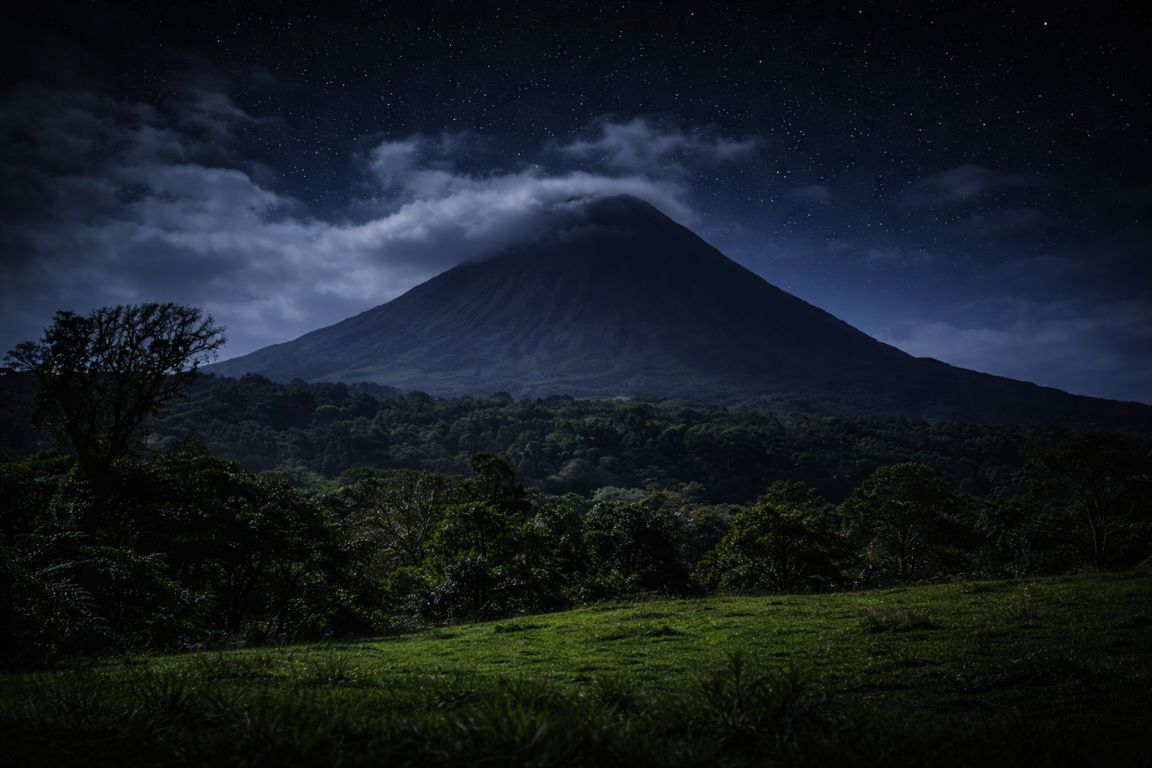
Night tours operate year-round with consistent nocturnal wildlife regardless of season, though green season May-November brings higher amphibian diversity and more active frogs breeding in rain-filled pools.
Tour departure times between 6:00-6:30pm remain constant year-round since tropical sunset occurs around 5:30-6:00pm with minimal variation, unlike temperate latitudes with dramatic seasonal sunset changes.
Weeknight tours tend to be smaller (4-8 people) versus weekend tours (8-12 people) when both international tourists and Costa Rican visitors join, creating more intimate experiences on Monday-Thursday.
Table: Best Timing For Arenal Night Tours
| Season | Green (May-Nov) | More frogs, amphibians | Dry (Jan-Apr) | Drier trails, less mud |
| Month | July-October | Peak frog breeding | February-March | Clearer night skies |
| Day of Week | Monday-Thursday | Smaller groups 4-8 people | Fri-Sun | Busier 8-12 people |
| Departure Time | 6:00-6:30pm | Standard timing | 7:00pm | Misses evening wildlife |
| Moon Phase | New Moon | Darkest, stars visible | Full Moon | Can see trails better |
| Weather | After Light Rain | Animals emerge active | Clear Dry Night | Better for staying dry |
| Tour Duration | 2.5-3 hours | Adequate species | 2 hours | Too rushed |
Green season delivers more diverse frog species and higher amphibian activity since rain creates breeding conditions and brings nocturnal creatures out to hunt in wet conditions.
New moon periods create darkest conditions where stars and Milky Way become visible above the volcano, adding astronomy elements to wildlife tours when weather cooperates.
Tours immediately after brief afternoon rain often yield highest wildlife activity as animals emerge to feed and move after storms, though trails are muddier requiring better footwear.
The absolute worst time is during heavy downpours when tours may cancel or reschedule since rain makes observation difficult, animals hide, and trails become dangerously slippery.
Dry season advantages include firmer trails, less mud, and lower humidity, though you sacrifice some frog diversity compared to green season’s amphibian abundance.
There’s no “bad” season for night tours since nocturnal mammals like sloths and kinkajous remain active year-round regardless of rain, with only specific species like frogs showing seasonal variation.
Most visitors should book night tours during whatever season they’re visiting Arenal rather than planning entire trips around optimal night tour timing, since the experience is excellent year-round.
We cover detailed seasonal conditions, costs, and trade-offs in our comprehensive Best Time to Visit Arenal Volcano Costa Rica guide.
What Makes Night Wildlife Tours Different From Night Hiking?
Night wildlife tours involve expert naturalist guides spotting animals with professional equipment including powerful flashlights, laser pointers, and spotting scopes, focusing entirely on finding and observing creatures.
Night hiking without guides means stumbling through darkness seeing almost nothing since you lack the trained eyes, knowledge of where to look, and lighting techniques that reveal camouflaged nocturnal animals.
The fundamental difference is purpose with guided tours designed exclusively for wildlife observation versus recreational night hiking focused on trail navigation and reaching destinations.
Table: Guided Night Tours Vs Independent Night Hiking
| Species Seen | Not quantified; varies by conditions | Not quantified; varies by conditions | Not quantified; varies by conditions |
| Cost | $75-95 per person | Free or $15 park entry | Pay for expertise |
| Equipment Needed | Guide provides | Buy your own | Guide supplies everything |
| Safety | Very High (guide controls) | Medium (self-responsibility) | Significantly safer guided |
| Wildlife Knowledge | Expert interpretation | Your research only | Professional vs amateur |
| Photo Opportunities | Guide holds animals in light | Can’t find subjects | Impossible solo |
| Trail Navigation | Guide leads | Self-navigate darkness | Easy vs difficult |
| Permission/Access | Guide has permits | May not be allowed | Legal/access issues |
Wildlife sightings vary; a naturalist adds searching and interpretation, not a guaranteed animal count.
Many trails and parks prohibit independent night hiking for safety and conservation reasons, requiring guided tours as the only legal access to quality nocturnal wildlife areas.
Lighting techniques matter enormously with guides knowing how to scan tree canopies for eye-shine, check leaf undersides for frogs, and use angles that reveal camouflaged snakes invisible to untrained eyes.
Insurance and liability concerns mean most quality wildlife areas only allow access through licensed guides who understand proper observation distances and techniques that don’t stress animals.
The cost difference is dramatic but justified with $75-95 buying you expert spotting, professional equipment, safe navigation, permits, and opportunities to search for wildlife versus free solo hiking that yields almost nothing.
Some visitors consider saving money with independent night hiking but universally regret it after seeing how little they find compared to what guides deliver in organized tours.
The only scenario where independent night hiking makes sense is for experienced herpetologists or wildlife biologists who already know techniques, though even they often hire guides for local knowledge.
For detailed trail descriptions, difficulty ratings, and safety tips, see our complete Arenal Volcano Hike Guide.
How Much Do Night Tours Cost And What’S Included At Arenal?
Standard night wildlife walks cost $75-95 per person including hotel transportation, expert naturalist guide, all lighting equipment, spotting scope use, and 2-3 hours of guided observation.
Frog-focused night tours run slightly cheaper at $45-65 since they’re shorter duration (1.5-2 hours), cover less distance, and focus on one taxonomic group rather than comprehensive wildlife.
Private night tours for 2-8 people cost $250-350 total regardless of group size, working out to better per-person rates for parties of 4+ people while providing customized pacing and attention.
Table: Night Tour Pricing Breakdown And Inclusions
| Standard Night Walk | $75-95 pp | 8-12 people | Transport, guide, equipment, 2-3 hrs | Tips ($8-12), extras | Excellent | Most visitors |
| Frog Tour | $45-65 pp | 6-10 people | Transport, guide, equipment, 1.5-2 hrs | Tips ($5-8), extras | Very Good | Frog enthusiasts |
| Night Hanging Bridges | $35-60 pp | Open park access | Park entry, bridges, self-guided | Guide, transport | Good | Independent types |
| Private Night Tour | $250-350 total | 2-8 people | Transport, guide, equipment, custom | Tips ($20-30 group) | Excellent (4+ people) | Groups, families |
| Hotel Night Walk | $40-60 pp | 6-12 people | Guide, hotel grounds only, 1.5 hrs | Transport | Fair | Staying at eco-lodge |
| Night Safari Drive | $65-85 pp | 6-10 people | Vehicle transport, spotlights, 2 hrs | Tips, walking | Good | Mobility limited |
Standard night walks at $75-95 deliver the best value combining comprehensive species coverage, professional expertise, and convenient hotel pickup/return for reasonable cost.
Tipping guides is customary at 10-15% of tour cost, typically $8-12 per person for standard tours or $20-30 total for private tours, brought in cash since guides rely heavily on tips.
The price includes all necessary equipment like flashlights and scopes that would cost hundreds to purchase independently, plus the irreplaceable expertise finding animals worth many times the tour cost.
Booking through your hotel adds $5-15 commission markup compared to booking directly with tour operators, making direct reservations the better financial choice.
Combination packages sometimes bundle day wildlife tour + night tour for $135-160 total saving $15-25 versus booking separately, worthwhile if you’re doing both tours anyway.
Children often receive 10-20% discounts on night tours at most operators, though some charge full adult rates since the experience and cost to deliver is identical regardless of age.
Budget travelers can skip the night tour entirely doing self-guided night walks on their hotel grounds seeing just tarantulas and insects for free, though they miss 90% of what guided tours deliver. For the linked two-hour night walk, use its listed meeting point; hotel transfer is not assumed.
See the La Fortuna Night Wildlife Walk for a 2-hour guided walk after dark.
What Are Common Questions And Concerns About Night Tours?
Wildlife sightings vary; a naturalist adds searching and interpretation, not a guaranteed animal count.
“Is it scary?” depends on individual comfort with darkness but groups, guides, and constant light eliminate most fear factors, with the experience being exciting rather than frightening for most visitors.
“What if it rains?” means tours continue in light rain since nocturnal animals often increase activity during and after precipitation, with heavy downpours being the only cancellation trigger.
Table: Night Tour Common Concerns Addressed
| “Will it be too dark/scary?” | Groups, lights create safety | Stay near guide, bring red flashlight | Not quantified; varies by conditions |
| “What if it rains?” | Light rain tours continue | Bring rain jacket, embrace it | Not quantified; varies by conditions |
| “Will we see animals?” | Wildlife sightings vary; a naturalist adds searching and interpretation, not a guaranteed animal count. | Wildlife sightings vary; a naturalist adds searching and interpretation, not a guaranteed animal count. | Almost never disappointed |
| “Are there dangerous snakes?” | Yes but avoid humans | Observe from safe distance | Not quantified; varies by conditions |
| “Can I take photos?” | Possible but difficult | Need good camera/phone | Not quantified; varies by conditions |
| “What if I need bathroom?” | Limited facilities | Use before tour, hold it | Occasionally problematic |
| “Will my kids be scared?” | Depends on age/personality | Family-oriented guides help | Occasional 5-7 year olds |
| “Is it cold at night?” | Cooler but not cold (70-75°F) | Light layers sufficient | Rarely an issue |
Bathroom facilities are limited on trails with the last chance typically being before departure from the meeting point, creating potential discomfort during 2-3 hour tours.
Children’s fear responses vary dramatically by personality with some finding darkness exciting and mysterious while others cling to parents, making age 8+ a safer minimum than 5-6.
Poor photo results disappoint many visitors who expect Instagram-worthy images, though accepting this limitation beforehand and focusing on observation creates better experiences.
Rain concerns are overblown since tours run in typical green season evening showers that last 30-60 minutes, with rain gear keeping you dry enough to continue enjoying sightings.
Snake encounters when they happen are controlled observations from safe distances with guides explaining species and behavior, not dangerous close confrontations.
Wildlife sightings vary; a naturalist adds searching and interpretation, not a guaranteed animal count.
Most concerns stem from unfamiliarity with night jungle environments rather than actual dangers, with first-time participants consistently reporting that reality exceeded expectations positively.
FAQs
What Animals Can You See On Arenal Night Tours?
Wildlife sightings vary; a naturalist adds searching and interpretation, not a guaranteed animal count.
Are Arenal Night Tours Safe?
Guided activities still involve outdoor risks. Follow the operator’s briefing, current weather decisions and posted access rules; discuss individual requirements before booking.
How Much Do Night Wildlife Tours Cost At Arenal?
Standard night tours cost $75-95 per person including transportation, expert guide, equipment, and 2-3 hours of observation, with frog tours cheaper at $45-65 for shorter duration. For the linked two-hour night walk, use its listed meeting point; hotel transfer is not assumed.
What Should You Bring On Night Tours At Arenal Volcano?
Closed-toe shoes, insect repellent, rain jacket, water, flashlight with red filter, and camera if you want photos (though results will be limited with basic equipment).
When Is The Best Time For Night Tours At Arenal?
Green season May-November delivers more frog diversity though year-round tours work well, with departures at 6:00-6:30pm standard timing after sunset around 5:30-6:00pm.
Can Kids Do Night Wildlife Tours At Arenal?
Yes, children 8+ handle night tours well though some operators accept ages 5-6, depending on child’s comfort with darkness and ability to walk quietly for 2-3 hours.
How To Book And Prepare For Arenal Night Wildlife Tours
Research operators prioritizing those with trained naturalist guides and good reviews specifically mentioning wildlife sightings and expertise rather than just transportation services.
Book 3-5 days ahead during high season December-April for preferred departures, subject to availability, just 1-2 days ahead during green season when availability is better.
Schedule night tours mid-stay rather than arrival or departure days since evening activities followed by early morning departures create exhausting combinations.
Pack essentials including closed-toe shoes, bug spray, rain jacket, and red-filter flashlight in a small backpack the day before to avoid last-minute scrambling.
Eat dinner early (4:30-5:30pm) or pack snacks since tours depart before typical dinner time and you’ll be hungry when returning at 9-9:30pm.
Charge camera and phone batteries fully if attempting night photography, though accept that results will likely disappoint without professional equipment.
Apply insect repellent 30 minutes before departure giving DEET time to dry and become effective before entering mosquito-heavy forest areas.
Confirm pickup time and location with the operator the day before, verifying your hotel address since some accommodations have similar names.
To book a guided night walk, open the La Fortuna Night Wildlife Walk and check dates for your stay.
Glossary
- Nocturnal: Animals active at night including kinkajous, most frogs, tarantulas, and many insects that sleep during daytime.
- Eye-Shine: Reflection from animal eyes when flashlight beams hit them, making sloths and other creatures easy to spot in darkness.
- Red-Filter Light: Flashlight using red lens preserving human night vision while disturbing wildlife less than white light.
- Naturalist Guide: Expert wildlife spotter trained in ecology, animal behavior, and using equipment to find and explain nocturnal species.
- Green Season: May-November rainy period bringing higher amphibian diversity and more active frogs breeding in rain-filled pools.
Key Takeaways
Guided activities still involve outdoor risks. Follow the operator’s briefing, current weather decisions and posted access rules; discuss individual requirements before booking.
Choose Your Activity Date
La Fortuna Night Wildlife Walk: Search for nocturnal rainforest life after your daytime plans.
Use the provider’s calendar to select your date, party and departure. Live availability is checked on the booking page.