Plan Your Visit To Arenal Volcano Costa Rica 2026-2027: Complete Guide
Arenal Volcano in Costa Rica stays active but hasn't had major lava eruptions since 2010, making it safe to visit year-round with the best conditions during
Choose one anchor activity, confirm its pickup and duration, then leave room for weather and rest. Keep the transfer from San José outside your local tour schedule. Compare The Options Below.
Last updated: February 16, 2026
Earlier budget ranges in this guide are planning estimates, not current quotes. Confirm current fees, access rules and the selected tour option before booking.
TL;DR
Arenal Volcano in Costa Rica stays active but hasn’t had major lava eruptions since 2010, making it safe to visit year-round with the best conditions during dry season January-April when you get clear volcano views. Plan 3-4 days minimum to experience hot springs, hanging bridges, waterfall hikes, and wildlife spotting around La Fortuna town which serves as the base. Tours cost $45-85 per activity with combo packages saving 15-20%. Budget $150-250 daily including mid-range accommodation, meals, and activities. Book tours 1-2 weeks ahead during high season December-April, flights to San José then 3-4 hour drive or domestic flight to Arenal. The volcano sits in northern Costa Rica’s rainforest with humid tropical climate, frequent afternoon rain even in dry season, and incredible biodiversity. Self-driving works for experienced travelers, shuttle services cost $50-60 from San José, or join guided tours handling all logistics.
When Is The Best Time To Visit Arenal Volcano Costa Rica In 2026-2027?
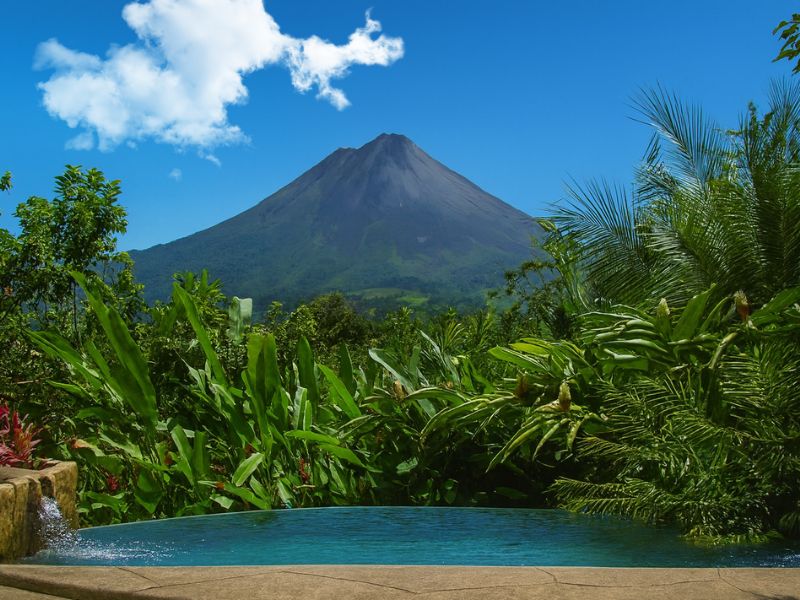
Dry season from January through April delivers the clearest volcano views with less cloud cover obscuring Arenal’s perfect cone shape. Mornings typically offer the best visibility before afternoon clouds roll in, even during these drier months. You’ll have sunny days, lower humidity, and the best conditions for hiking, zip-lining, and other outdoor activities.
Check the provider’s calendar for your dates and reserve once the route, timing and cancellation terms fit your plans. Availability varies by operator and departure.
Green season from May through November brings daily afternoon rain, thicker cloud cover, and fewer tourists creating a trade-off between weather and crowds. The landscape turns incredibly lush, waterfalls flow stronger, and wildlife becomes more active. Tours cost less and you won’t fight crowds at popular spots like hanging bridges or hot springs.
November stands out as particularly wet with heavy rains that can close some trails or make activities miserable. June and July offer a brief dry spell within green season called “veranillo” with better weather than the surrounding months, creating a sweet spot for budget travelers who don’t mind some rain.
For complete month-by-month weather patterns, pricing, and crowd levels, see our guide to the Best Time to visit Arenal Volcano.
Table: Month-By-Month Weather And Conditions For Arenal Volcano 2026-2027
| January | Dry | 75-85 | Low | Excellent | High | High | Clear views, outdoor activities |
| February | Dry | 75-87 | Low | Excellent | High | High | Best weather overall |
| March | Dry | 76-88 | Low-Moderate | Very Good | High | High | Great conditions before Easter |
| April | Dry/Transition | 77-89 | Moderate | Good | Medium-High | High | Last of dry season |
| May | Green | 76-86 | High | Fair | Low | Medium | Budget travel, lush landscapes |
| June | Green | 75-85 | Moderate-High | Fair-Good | Low | Medium | Veranillo dry spell |
| July | Green | 75-85 | Moderate | Fair-Good | Low-Medium | Medium | Veranillo continues |
| August | Green | 75-85 | High | Fair | Low | Medium | Fewer tourists |
| September | Green | 74-84 | Very High | Poor | Very Low | Low | Cheapest rates, heavy rain |
| October | Green | 74-83 | Very High | Poor | Very Low | Low | Wettest month |
| November | Green | 74-83 | Very High | Poor | Low | Low | Heavy rains, avoid if possible |
| December | Dry/Transition | 74-84 | Moderate | Good | High | High | Holidays, increasing crowds |
Dry season January-April offers best conditions while green season May-November brings lower prices and fewer crowds with daily rain.
What Should You Know About Arenal Volcano’S Current Status In 2026-2027?
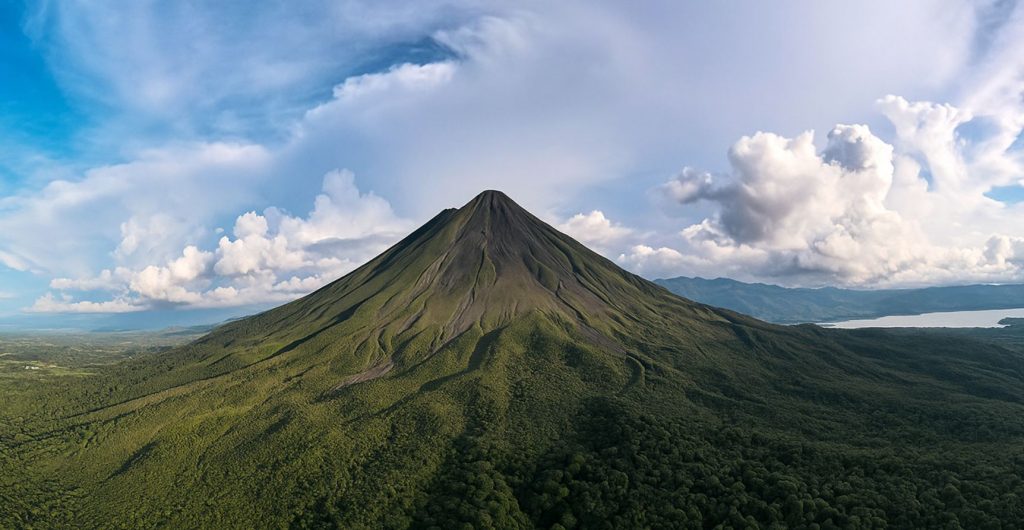
Arenal Volcano remains active but dormant in terms of lava flows since its last major eruption phase ended in 2010. You’ll see steam venting from the crater occasionally and the volcano maintains seismic activity that scientists monitor constantly, but don’t expect glowing lava or dramatic eruptions during your visit.
The volcano is open to visitors subject to current access rules with hiking trails, observation points, and tours operating normally around the base. Arenal Volcano National Park allows access to certain areas while restricting the actual summit climb due to ongoing volcanic activity and steep unstable slopes, not imminent danger.
This dormant phase disappoints some visitors expecting the dramatic 1968-2010 era when lava flows lit up the night sky. The trade-off is significantly safer tourism with better access to trails and viewpoints that were previously too dangerous. You get stunning views of the 5,437-foot cone rising above rainforest without the risks that came with active eruptions.
The surrounding ecosystem continues thriving with the volcano creating unique microclimates that support incredible biodiversity. Hot springs heated by underground magma remain a major attraction, proving the volcano’s active geothermal systems even without visible eruptions.
Scientists predict Arenal will erupt again someday, possibly in your lifetime, but the volcano operates on geological timescales that make prediction impossible. Current monitoring suggests no imminent major eruptions, allowing tourism to continue safely through 2026-2027 and beyond.
Local guides and tour operators stay updated on volcanic activity through official monitoring networks. If anything changes regarding safety, parks and tour companies respond immediately with closures or restrictions as needed.
How Many Days Should You Plan For Arenal Volcano Costa Rica?
Three days minimum lets you experience the main attractions without feeling rushed. Day one focuses on arrival and initial volcano viewing with hot springs relaxation. Day two covers adventure activities like hanging bridges, waterfall hikes, or zip-lining. Day three allows for wildlife tours, kayaking on Arenal Lake, or exploring caves and less-visited areas.
Four to five days offers the sweet spot for most visitors, giving time to enjoy everything at a relaxed pace with buffer days for weather. If clouds obscure the volcano on day one, you have additional mornings to catch clear views. You can space out strenuous activities, take an afternoon off to just soak in hot springs, and explore both popular spots and hidden gems.
Two days works only if you’re specifically targeting one or two must-do activities and don’t mind missing major attractions. You’ll spend significant portions of those two days traveling to/from Arenal, leaving limited actual activity time. This compressed timeline stresses most people and results in that “wish we’d stayed longer” feeling.
Week-long stays suit travelers using Arenal as a base for exploring wider northern Costa Rica, taking day trips to Rio Celeste, Caño Negro wetlands, or Tenorio Volcano. The area offers enough variety to fill a week without repetition, especially for serious wildlife watchers or adventure sports enthusiasts.
Families with kids typically need an extra day since children’s pace and attention spans slow things down. A three-day adult itinerary becomes four days with children, building in rest time and allowing kids to enjoy pools at resorts between activities.
I generally recommend four days for first-time visitors to Costa Rica focusing on Arenal. Three days if you’re combining it with other destinations on a tight timeline, five days if Arenal is your main Costa Rica focus and you want comprehensive exploration.
For help determining optimal trip length, see our guide How Many Days Do You Need in Arenal Volcano Area.
What Activities And Attractions Should You Include In Your Arenal Visit?
Plan Your Next Step
Compare Your Complete Costs
Choose one anchor activity, confirm its pickup and duration, then leave room for weather and rest. Keep the transfer from San José outside your local tour schedule.
Booking links may earn us a commission at no extra cost to you. Prices and availability are confirmed by the booking provider.
10 Hours Listed
Volcano, Waterfall And Hot Springs
A planned day linking the main sights and a thermal soak.
- Includes
- Guide, listed park and hot springs fees, lunch and drinks.
- Getting There
- La Fortuna pickup; confirm your hotel.
A long walking day with waterfall steps. Does not promise Tabacón; not wheelchair accessible.
Book The Volcano & Waterfall Day3 Hours Maximum Listed
Mistico Guided Hanging Bridges Walk
Add a naturalist to a canopy walk while keeping the rest of your day free.
- Includes
- Park admission and naturalist guide.
- Getting There
- Meet at Mistico Park; transport is not provided.
Listed duration is 1–3 hours. Wildlife is not guaranteed. Listing states non-refundable; confirm before payment.
Book A Mistico Naturalist Walk2.5 Hours Listed
North Fields Coffee And Chocolate
Follow farm production and taste coffee, chocolate and sugarcane.
- Includes
- Farm demonstrations and tastings.
- Getting There
- Local hotel pickup listed; confirm the exact hotel radius.
A shared farm tour with some walking. Confirm dietary needs and access arrangements.
Book North Fields TastingsHot springs rank as the most popular attraction with over 15 different thermal spring resorts ranging from budget-friendly Ecotermales ($44) to luxury Tabacón ($99+). The naturally heated mineral water pools offer relaxation after hiking with settings from rustic jungle pools to manicured resort gardens with swim-up bars.
Hanging bridges through rainforest canopy give you eye-level access to wildlife and plants typically hidden high in trees. Mistico Arenal Hanging Bridges Park features 16 bridges up to 150 feet high spanning forest ravines, taking 2-3 hours to walk the trail system with sloth and bird sightings common.
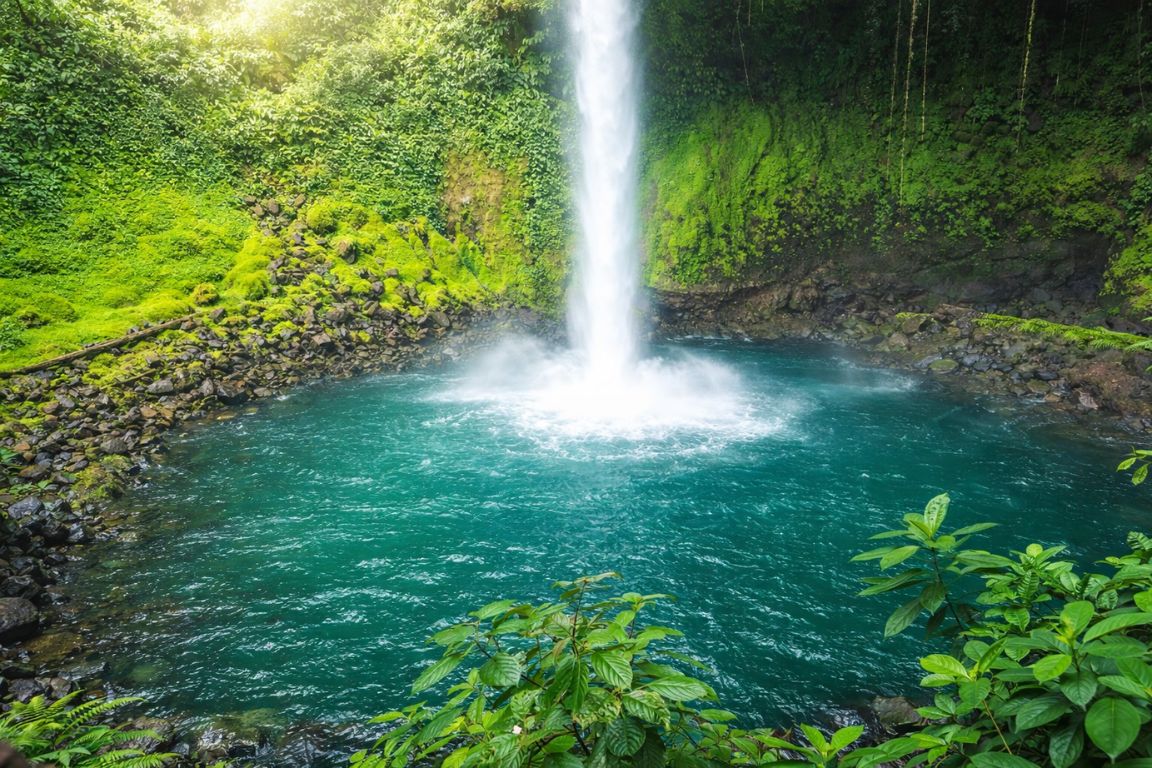
La Fortuna Waterfall requires 500 steps down to reach the 230-foot cascade and swimming hole at the base. The hike back up challenges your fitness but delivers a rewarding jungle waterfall experience away from geothermal attractions. Entry costs $18 with most visitors spending 2-3 hours including swim time.
Arenal Volcano National Park offers hiking trails through old lava flows and secondary forest with volcano viewpoints and wildlife spotting. The main trails like Coladas and Tucanes run 1-3 miles through relatively easy terrain, though afternoon clouds often obscure volcano views by mid-day.
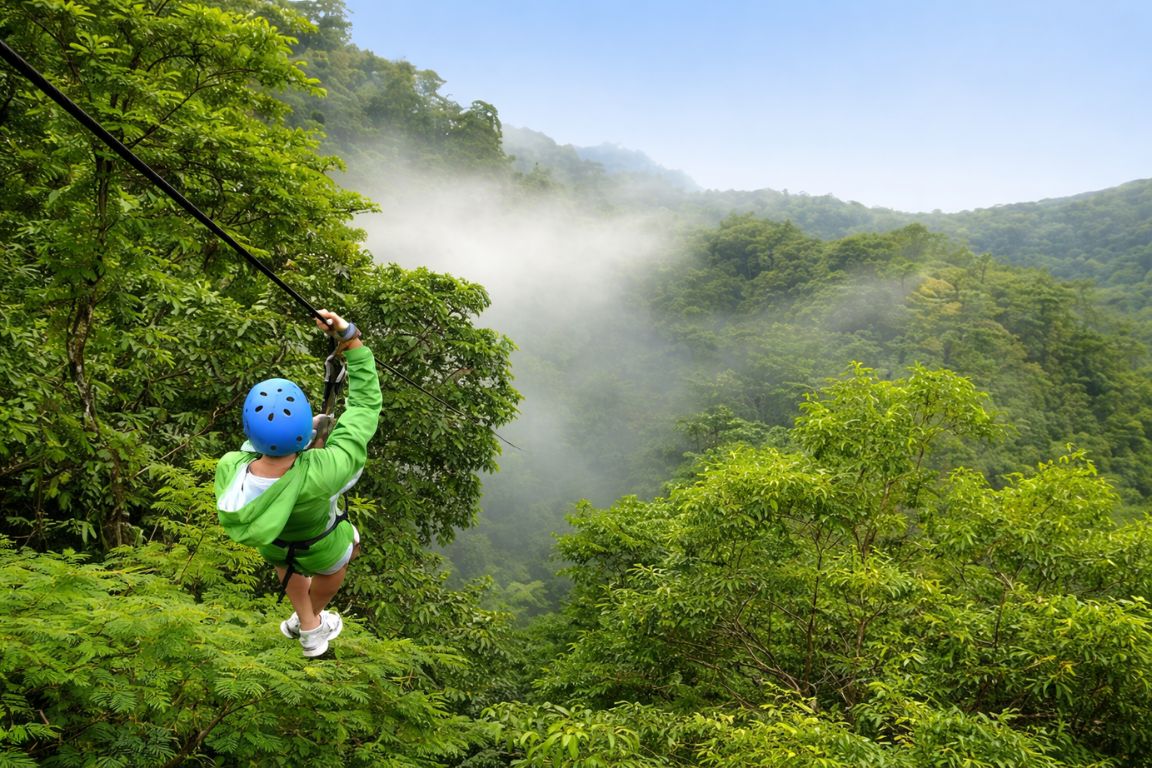
Zip-lining operations abound with courses running through rainforest canopy offering adrenaline rushes and aerial perspectives. Tours typically include 8-12 cables spanning up to 750 meters with options for rappelling and Tarzan swings adding variety to the experience.
Arenal Lake kayaking or stand-up paddleboarding provides water-based recreation with volcano backdrop views (when weather cooperates). You’ll paddle near the massive human-made lake with chances to spot birds and aquatic life while getting different angles on the volcano.
Wildlife tours focus on sloths, toucans, frogs, and other rainforest animals with naturalist guides using spotting scopes to find creatures you’d miss independently. Night Arenal volcano tours reveal nocturnal species like kinkajous, snakes, and sleeping birds creating completely different wildlife experiences than daytime.
Canyoning and waterfall rappelling appeal to adventure seekers who want to descend waterfalls on ropes through river canyons. These half-day tours combine hiking, swimming, and technical descents requiring moderate fitness and courage.
Book activities through Arenal Volcano Costa Rica Tours for curated experiences and local expertise.
How Much Should You Budget For Arenal Volcano Visits In 2026-2027?
Accommodation costs range from $40-80 nightly for budget hotels and hostels near La Fortuna, $100-200 for mid-range hotels with pools and amenities, and $250-500+ for luxury resorts with premium hot springs and volcano views. Three nights in mid-range lodging runs $300-600 total for a couple.
Activity costs add up quickly with most tours priced $45-85 per person. Hot springs entry runs $30-100 depending on venue. Hanging bridges cost $26-45. Zip-lining goes for $50-85. National park entry is $15. A couple doing 3-4 activities spends $300-500 on tours and entries.
Food expenses vary by dining choices with budget sodas (local restaurants) charging $6-12 per meal, mid-range restaurants running $12-25 per entrée, and resort dining costing $20-40+ per dish. Budget $40-80 daily per person for meals depending on where you eat.
Transportation from San José to Arenal costs $50-60 per person via shared shuttle, $250-350 for private transfer, or $100-140 for domestic flight to nearby Fortuna airport. Rental cars run $40-70 daily plus gas and insurance.
Table: Sample Budget Breakdown For 3-Day Arenal Volcano Trip (2 People)
| Accommodation (3 nights) | $120-240 | $300-600 | $750-1,500 |
| Activities (3-4 tours) | $300-400 | $400-600 | $600-900 |
| Meals (3 days) | $240-360 | $360-480 | $480-720 |
| Transportation (roundtrip SJ) | $100-120 shuttle | $250-350 private | $280-400 flights |
| Hot Springs | $60-90 budget venue | $120-160 mid-range | $200-300 luxury |
| Miscellaneous | $100-150 | $150-250 | $250-400 |
| Total Per Couple | $920-1,360 | $1,580-2,440 | $2,560-4,220 |
| Per Person | $460-680 | $790-1,220 | $1,280-2,110 |
Mid-range budget of $800-1,200 per person covers comfortable accommodation, quality tours, good meals, and transportation for a 3-day Arenal visit.
Tours often offer combo packages bundling 2-3 activities at 15-20% discount compared to booking separately. A combo including hanging bridges, hot springs, and waterfall might cost $120 versus $150+ booking individually.
Tips add 10-15% for guides and drivers. Budget $10-15 per person per tour for guide tips, $5-10 for shuttle drivers. Restaurants typically include service charge but leaving extra 5-10% is appreciated for good service.
Entrance fees to national parks and reserves cost $10-20 per site, adding up if you visit multiple protected areas. Your tour prices often include these but verify when booking.
Where Should You Stay When Visiting Arenal Volcano Costa Rica?
La Fortuna town serves as the main base with the largest selection of hotels, restaurants, tour operators, and services. Staying in town gives you walking access to dining, convenience stores, and tour company offices with accommodation running $50-200 nightly depending on quality level.
The main drawback of La Fortuna is distance from the volcano itself, sitting about 4-6 miles away with limited direct views. You’ll need transportation to reach trailheads, hot springs, and volcano viewpoints. The town can feel touristy with persistent vendors and busy streets during high season.
Hotels along the road to Arenal National Park offer better volcano views and closer proximity to attractions but cost more and require having a car or relying on tour pickups. These properties range from $100-300 nightly with positions on the volcano’s north and west sides providing the classic cone view.
Luxury resorts with on-site hot springs like Tabacón, The Springs, or Nayara deliver all-inclusive convenience at $300-600+ nightly. You can soak in thermal pools without leaving the property, dine at multiple on-site restaurants, and enjoy volcano views from your room. The premium price buys convenience and comfort but limits your exposure to local culture.
Budget travelers find hostels in La Fortuna charging $15-30 for dorm beds or $40-70 for private rooms. These work fine for sleeping but lack the pools, views, and amenities that enhance the Arenal experience. You’ll spend more time out on activities anyway if you’re on a budget.
El Castillo village on the south side of Arenal Lake offers quieter alternative lodging with better lake and volcano views from certain angles. The drive around the lake adds time to reach La Fortuna-area attractions but delivers a more peaceful rural experience.
Most visitors pick La Fortuna for centralized access or splurge on one of the volcano-view resort hotels for the full immersive experience. Families often prefer resorts with multiple pools and activities on-site, while budget travelers cluster in La Fortuna hostels and basic hotels.
How Do You Get To Arenal Volcano Costa Rica In 2026-2027?
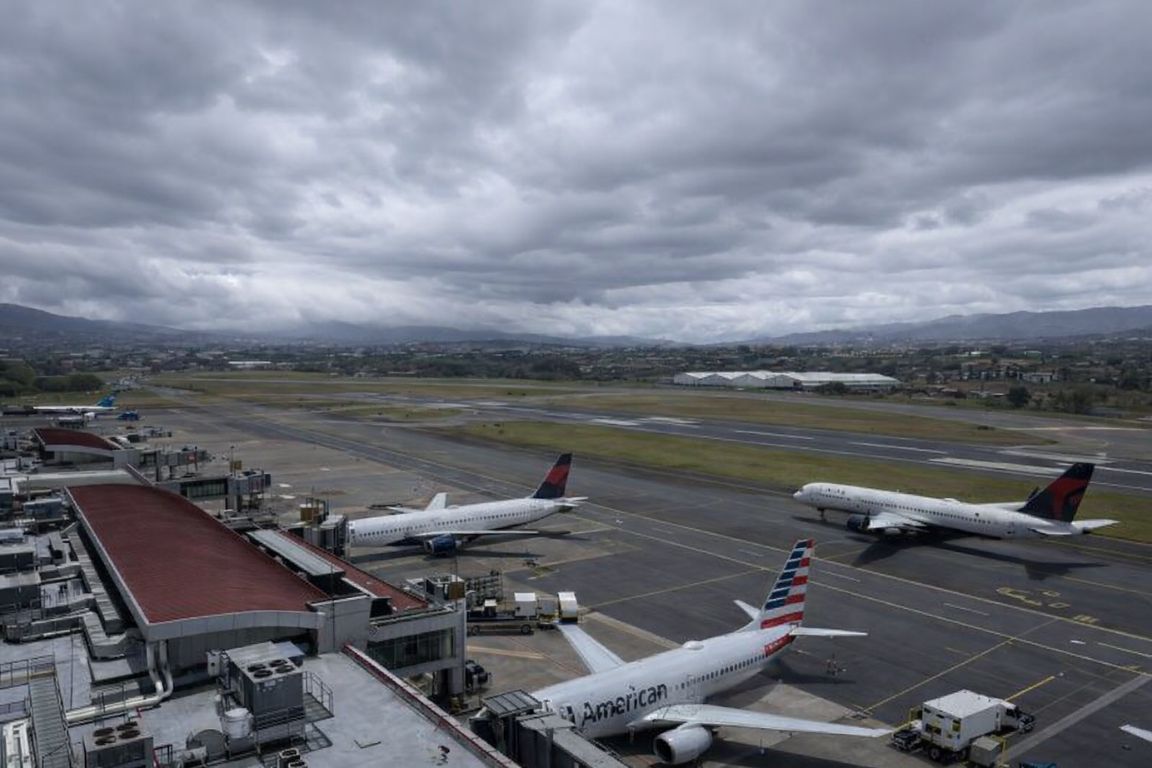
Fly into San José’s Juan Santamaría International Airport (SJO), Costa Rica’s main international gateway receiving flights from major US, Canadian, and European cities. From San José, Arenal sits about 90 miles northwest requiring 3-4 hours overland travel or 30-minute domestic flight.
Shared shuttle services run multiple daily departures from San José to La Fortuna costing $50-60 per person. Companies like Interbus and Grayline operate comfortable air-conditioned vans with professional drivers who know the routes. Book these 3-7 days in advance online, departure times typically around 8am and 2pm.
Private transfers cost $250-350 for up to 4-6 passengers, offering flexibility on departure time and direct routing to your hotel. These work well for families or small groups where the total cost splits to reasonable per-person rates while avoiding shared shuttle schedules.
Rental cars give independence for exploring Arenal and surrounding areas at your own pace. Expect to pay $40-70 daily for basic SUV or sedan through major agencies like Adobe, National, or Budget. The drive from San José follows paved highways through rural landscapes with clear signage, though afternoon traffic leaving San José can slow progress.
Four-wheel drive isn’t required for reaching La Fortuna and major attractions in dry season, though 4WD helps if you’re visiting during green season when some back roads turn muddy. Most rental agencies push 4WD upgrades you probably don’t need unless venturing to remote areas.
Domestic flights from San José to Fortuna (Arenal Airport) operate through SANSA Airlines, taking about 30 minutes and costing $100-140 each way. These small planes skip the long drive but limit luggage allowance and depend on weather for departure. The tiny Fortuna airport sits right near La Fortuna town.
Some visitors combine Arenal with beach destinations by taking shuttles onward to Guanacaste beaches like Tamarindo or Nosara. This creates a volcano-to-beach itinerary without returning to San José, though transit times from Arenal to Pacific beaches still run 4-5 hours.
Driving yourself makes sense if you’re comfortable with international driving, want flexibility, and are visiting multiple Costa Rica destinations. Shuttles work better for travelers going only San José to Arenal roundtrip or those nervous about driving unfamiliar roads.
What Should You Pack For Arenal Volcano Costa Rica Trips?
Rain jacket and waterproof day pack are essential regardless of season since afternoon showers happen even during dry months. Quick-dry clothing works better than cotton which stays wet in the humid rainforest climate. Bring layers since mornings can be cool at 70-75°F while afternoons hit 85-90°F.
Hiking boots or good trail shoes with ankle support and traction handle muddy rainforest trails better than running shoes. The steep steps at La Fortuna Waterfall and rocky lava flow trails in the national park require real footwear, not flip-flops or sandals.
Swimsuit is mandatory for hot springs and waterfall swimming. Consider bringing two so you always have a dry one since suits don’t fully dry overnight in humid conditions. Women should pack a modest one-piece or tankini since some hot springs are family-oriented.
Insect repellent with DEET 25-30% keeps mosquitoes and other bugs at bay, particularly important during green season and around dawn/dusk. Sunscreen SPF 30+ protects during hikes and water activities even when it’s cloudy since tropical sun is intense.
Reusable water bottle helps you stay hydrated in heat and humidity while reducing plastic waste. Many hotels and restaurants offer water refill stations. Bring water purification tablets or a filtered bottle if you’re particularly cautious, though tap water in La Fortuna area is generally safe.
Binoculars enhance wildlife viewing on guided tours, helping you see sloths, birds, and monkeys in tree canopies. Spotting scopes provided by guides work but having your own binoculars gives you control over viewing.
Camera and phone in waterproof cases or dry bags protect electronics during water activities and sudden rain. Bring extra memory cards and battery packs since you’ll be shooting constantly in this photogenic environment.
Light headlamp or flashlight helps navigate paths at night especially if staying in more remote hotels or taking night wildlife tours. Streets in La Fortuna are lit but trails and some hotel grounds get very dark.
Small first aid kit with basic medications (pain relievers, anti-diarrheal, antihistamine), band-aids, and any personal prescriptions. Pharmacies exist in La Fortuna but having basics on hand prevents inconvenience.
Cash in both US dollars and Costa Rican colones since some smaller sodas and tour operators prefer local currency while hotels typically accept USD. ATMs exist in La Fortuna but having cash on arrival helps with immediate expenses like tips or small purchases.
For complete packing lists including clothing, gear, and activity-specific essentials, see our guide on what to pack for Arenal adventures.
What Tours And Activities Should You Book In Advance Vs On Arrival?
Hot springs at luxury venues like Tabacón and The Springs should be booked 1-2 weeks ahead during high season December-April when they sell out, particularly evening time slots. Budget hot springs like Ecotermales or Baldi rarely sell out but booking ahead guarantees your preferred time.
Hanging bridges and zip-lining usually have availability but popular time slots (morning departures) fill quickly during peak season. Book these 3-7 days ahead to secure ideal times, though showing up in La Fortuna without reservations still works for afternoon slots.
Specialized activities like canyoning, horseback riding to La Fortuna Waterfall, or safari float trips on Peñas Blancas River should be booked 5-10 days ahead since operators run smaller groups with limited daily departures.
La Fortuna Waterfall and Arenal National Park don’t require advance booking, you can show up and pay entrance fees at the gate. These work well as flexible activities to fill days based on weather, though mornings offer better conditions before afternoon clouds.
Night wildlife tours book up faster than you’d expect since groups stay small (8-12 people) and there are only 1-2 departures nightly. Reserve these at least 3-5 days ahead or immediately upon arrival in La Fortuna if booking locally.
Combo tour packages often deliver better value when booked before arrival through operators who bundle activities at discounts. Once you’re in La Fortuna, assembling the same combo separately costs more though you gain flexibility in timing.
Transportation (shuttles or private transfers) from San José should be booked 3-7 days ahead to guarantee seats and preferred departure times. Peak season shuttles occasionally sell out while off-season has more flexibility.
Domestic flights require 1-2 week advance booking for best prices and seat availability on the small planes. Waiting until arrival usually means paying premium prices or finding flights sold out.
I recommend booking transportation and 2-3 major activities before arrival, leaving 1-2 days flexible for weather-dependent decisions or spontaneous discoveries. This balances securing must-do experiences with maintaining flexibility for how your trip actually unfolds.
Find and book quality Arenal tours with advance reservations at / for date-specific availability.
FAQs
When Is The Best Time To Visit Arenal Volcano Costa Rica?
January through April dry season offers clearest volcano views and best hiking conditions with less rain, though December-April high season brings crowds and 20-30% higher prices.
How Many Days Do You Need To Visit Arenal Volcano?
Minimum 3 days covers main attractions, 4-5 days ideal for relaxed pace with weather buffers, 2 days works only for rushed itinerary targeting 1-2 specific activities.
Is Arenal Volcano Still Active In 2026-2027?
Yes, Arenal remains active but dormant for major eruptions since 2010, open to visitors subject to current access rules with no lava flows expected, steam venting and seismic monitoring continue.
How Much Does An Arenal Volcano Trip Cost?
Budget $460-680 per person for 3 days budget travel, $790-1,220 mid-range, $1,280-2,110 luxury including accommodation, tours, meals, and transportation from San José.
Where Should You Stay When Visiting Arenal Volcano?
La Fortuna town for centralized access, dining, and budget options $50-200 nightly, volcano-view hotels along park road for proximity and views $100-300, luxury resorts with hot springs $300-600+.
What Activities Are Best At Arenal Volcano Costa Rica?
Hot springs soaking, hanging bridges through rainforest canopy, La Fortuna Waterfall hike and swim, volcano national park trails, zip-lining, wildlife tours, kayaking on Arenal Lake.
How To Plan Your Perfect Arenal Volcano Visit For 2026-2027
Choose your travel season based on priorities between weather (dry season January-April) versus budget and crowds (green season May-November). Dry season delivers best conditions while green season offers 20-30% savings and fewer tourists.
Determine visit length with 3-day minimum for main attractions, 4-5 days recommended for comprehensive experience with flexibility. Book flights to San José well in advance for better rates, typically 2-3 months before travel.
Research and reserve accommodation based on budget and priorities, whether La Fortuna town convenience, volcano-view hotels, or luxury resorts with on-site hot springs. High season December-April requires booking 4-6 weeks ahead.
Select and book 2-3 must-do activities before arrival (hot springs, hanging bridges, zip-lining) while leaving flexibility for weather-dependent decisions. Combo packages through tour operators save 15-20% versus booking separately.
Arrange transportation from San José via shared shuttle ($50-60), private transfer ($250-350), or domestic flight ($100-140) booking 3-7 days ahead for shuttles, 1-2 weeks for flights.
Pack appropriately with rain gear, hiking shoes, swimsuit, insect repellent, and layers for variable temperatures. Bring reusable water bottle, camera, and cash in USD and colones.
Build in weather contingency by not over-scheduling and maintaining flexible days to pivot if clouds obscure volcano views or rain cancels outdoor activities. Morning activities generally offer better weather than afternoons.
For complete trip planning assistance and quality tour bookings, visit Arenal Volcano Costa Rica Tours where local experts help create ideal Arenal Volcano itineraries.
Glossary
- Dry Season: January-April period with less rain, better visibility, higher prices, peak tourism season.
- Green Season: May-November rainy period with afternoon storms, lush landscapes, lower prices, fewer crowds.
- La Fortuna: Main town near Arenal Volcano serving as tourism hub with hotels, restaurants, and tour operators.
- Veranillo: Brief dry spell in June-July within green season offering better weather than surrounding months.
- Colones: Costa Rican currency, though US dollars widely accepted in tourist areas around Arenal.
Key Takeaways
Plan Arenal Volcano visits for dry season January-April for best weather and visibility with advance booking 4-6 weeks ahead, or green season May-November for budget savings and fewer crowds accepting daily afternoon rain. Allocate minimum 3 days, ideally 4-5 days to experience hot springs, hanging bridges, waterfall hikes, and wildlife tours without rushing. Budget $800-1,200 per person mid-range for 3-day trip including accommodation, activities, meals, and transportation from San José. Stay in La Fortuna town for convenience and budget options or volcano-view hotels for proximity and scenery. Book transportation and 2-3 major activities in advance while maintaining flexibility for weather. Arenal remains dormant for major eruptions but open to visitors subject to current access rules with incredible biodiversity and adventure activities. Pack rain gear, hiking shoes, and swimsuit regardless of season. Combo tour packages save 15-20% versus separate bookings. Plan your complete Arenal Volcano experience at /.
Choose Your Activity Date
Volcano, Waterfall And Hot Springs: A planned day linking the main sights and a thermal soak.
Use the provider’s calendar to select your date, party and departure. Live availability is checked on the booking page.