Are There Crocodiles In Lake Arenal?
There's no confirmed breeding population, but the reports aren't nothing either. Here's what residents and a biologist actually found.
A lake safety question does not require a tour booking. For a separate wildlife outing, compare a guided river float on its own merits. Compare The Options Below.
Plan In Brief: A lake safety question does not require a tour booking. For a separate wildlife outing, compare a guided river float on its own merits. Choose Your Activity, then confirm your date.
Earlier budget ranges in this guide are planning estimates, not current quotes. Confirm current fees, access rules and the selected tour option before booking.
There's no confirmed resident crocodile population in Lake Arenal, and the lake isn't natural crocodile habitat since it's a reservoir at a cooler, higher elevation than the warm lowland rivers where Costa Rica's American crocodiles actually live. That said, local residents have reported sporadic sightings for years, and a biologist who looked into the reports didn't rule it out. Caimans and crocodiles are genuinely common in nearby lowland rivers, just not established in the lake itself.
What Residents And Biologists Have Actually Reported
The most substantial account of this comes from local reporting: more than a dozen residents near Lake Arenal described seeing crocodiles in the lake over roughly a four-year span. The animals aren't considered native to the lake, and a persistent local rumor holds that someone from the nearby town of Tilarán released a male and female crocodile into the water years earlier. A biologist from Costa Rica's National University, Iván Sandoval, examined the situation and said his team had been receiving reports like this for years. His conclusion was measured rather than dismissive: the lake was never part of crocodiles' original range since it's an artificial body of water, but he acknowledged it could plausibly provide conditions for them to survive if introduced.
That's a genuinely uncertain answer, not a confirmed yes or a confident no, and it's worth stating plainly rather than picking a side for the sake of a clean headline.
Why The Lake Isn'T A Natural Fit
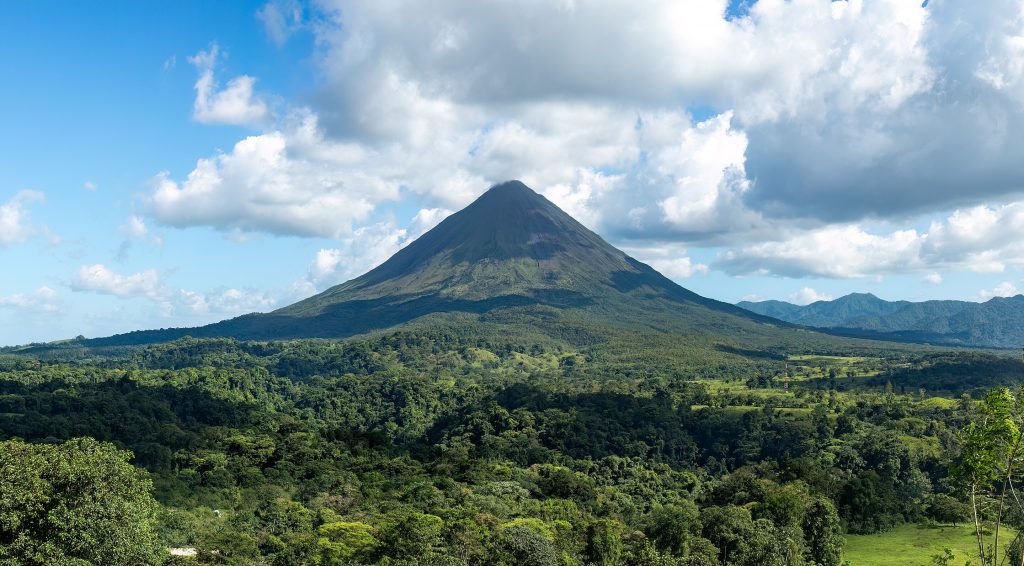
Lake Arenal started as a smaller natural lake and roughly tripled in size when a dam was completed at its southeastern end in 1979, turning it into Costa Rica's largest lake and a working reservoir. Sitting in the northern highlands, it runs cooler and higher in elevation than the warm, lowland river systems that American crocodiles typically favor. That combination is why biologists describe the lake as outside the species' original distribution, even though isolated individuals could theoretically persist there if introduced by people rather than arriving on their own.
Where You'Ll Actually See Them Near Arenal
Crocodiles and caimans are genuinely common in the region, just not centered on the lake. The Peñas Blancas river area, a wildlife corridor near Arenal, is regularly cited as home to caimans and American crocodiles alongside sloths, coatis, and several monkey species, and it's the kind of terrain guided wildlife tours are built to cover. A night walk through the national park or a river-focused outing is a far more reliable way to actually see one of these animals than a trip out onto the lake itself, where documented sightings remain scattered and unconfirmed rather than routine.
Plan Your Next Step
Choose What Fits Your Visit
A lake safety question does not require a tour booking. For a separate wildlife outing, compare a guided river float on its own merits.
Booking links may earn us a commission at no extra cost to you. Prices and availability are confirmed by the booking provider.
3 Hours Listed
Peñas Blancas River Safari Float
Look for riverbank wildlife while the guide handles the paddling.
- Includes
- Naturalist, snacks and listed hotel transport.
- Getting There
- Some outlying hotels incur extra charges.
Not a Lake Arenal tour or wildlife guarantee. Moderate fitness listed; not wheelchair accessible. Confirm river route because listing text is inconsistent.
Book The Guided River Float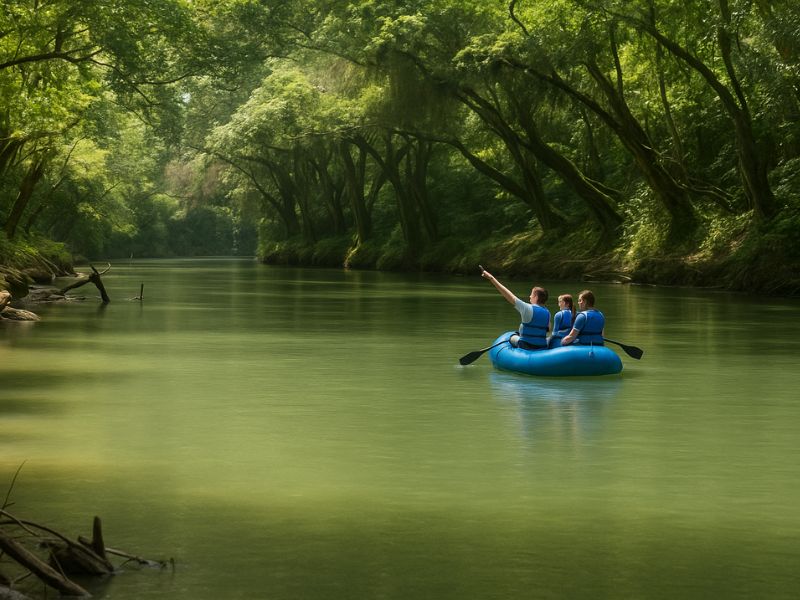
Is The Lake Safe For Swimming And Boating?
Lake Arenal is a popular spot for windsurfing, kayaking, and boating, and it's generally considered safe for recreational use. The crocodile question here is really about a decades-old cluster of sighting reports and an unresolved rumor, not an ongoing, well-documented hazard that changes how the lake is used day to day. Anyone specifically hoping to see a crocodile or caiman up close is better served by a guided wildlife outing on the rivers around Arenal than by watching the lake's shoreline.
Choose Your Activity Date
Peñas Blancas River Safari Float: Look for riverbank wildlife while the guide handles the paddling.
Use the provider’s calendar to select your date, party and departure. Live availability is checked on the booking page.