Arenal Horseback Riding Guide (2026)
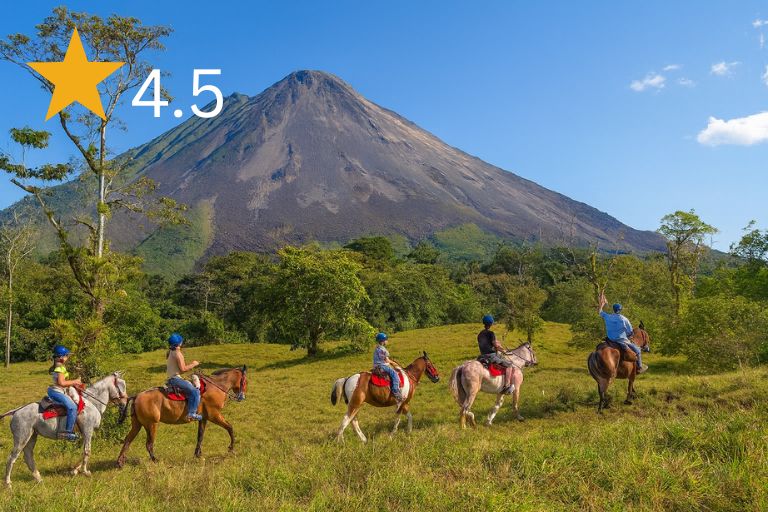
Horseback riding is one of the few ways to reach La Fortuna Waterfall without the crowds at the main staircase entrance, moving through rainforest trails with the volcano in view before ending at a swimming stop. This guide covers the route, the horses, and who the ride actually suits.
Choose the route before the riding time: the waterfall ride includes a dismounted walk and steps; the shorter Don Tobias ride explores the volcano base instead. Compare The Options Below.
Plan In Brief: Choose the route before the riding time: the waterfall ride includes a dismounted walk and steps; the shorter Don Tobias ride explores the volcano base instead. Choose Your Activity, then confirm your date.
Route correction: the waterfall ride is four hours overall and includes a dismounted walk with steps. Riding does not remove that climb. The separate 2.5-hour Don Tobias ride follows the volcano base and does not visit La Fortuna Waterfall. Confirm rider age, weight and horse-care practices with the chosen operator.
Earlier budget ranges in this guide are planning estimates, not current quotes. Confirm current fees, access rules and the selected tour option before booking.
Most people picture horseback riding in Costa Rica as a slow trail loop with a photo op at the end. The Arenal version has that, but it also has something most other horseback tours in the area don't: a route into a private reserve that ends at La Fortuna Waterfall, with time built in to actually swim. That combination, rainforest trail plus volcano views plus a genuine waterfall stop, is what sets this tour apart from a standard stable ride.
How Difficult Is The Arenal Horseback Tour, And Do I Need Riding Experience?
No prior riding experience is required. The tour matches each rider with a horse suited to their skill level, and the horses used are described by the operator as mellow and patient, built for first-timers rather than experienced riders looking for a fast ride. If you've never been on a horse, this is designed to be your first time.
The pacing reflects that. Trails are walked rather than raced, guides stay close to less confident riders, and the horses themselves are chosen for temperament as much as for the route. That doesn't mean it's a passive experience: you're still in the saddle for roughly four hours, moving through real rainforest terrain, not a flat arena loop.
Riders with more experience aren't shortchanged either. Because horses are matched to rider ability, a confident, experienced rider gets a horse and pace that reflects that, rather than being slowed to the same speed as a total beginner in the same group.
What'S The Route Actually Like?
The ride moves through rainforest trails with views of Arenal Volcano, then continues into what the operator describes as the only nature reserve with direct access to La Fortuna Waterfall, ending with time to swim. It's a four-hour tour that combines scenery, wildlife terrain, and a genuine waterfall stop in one outing.
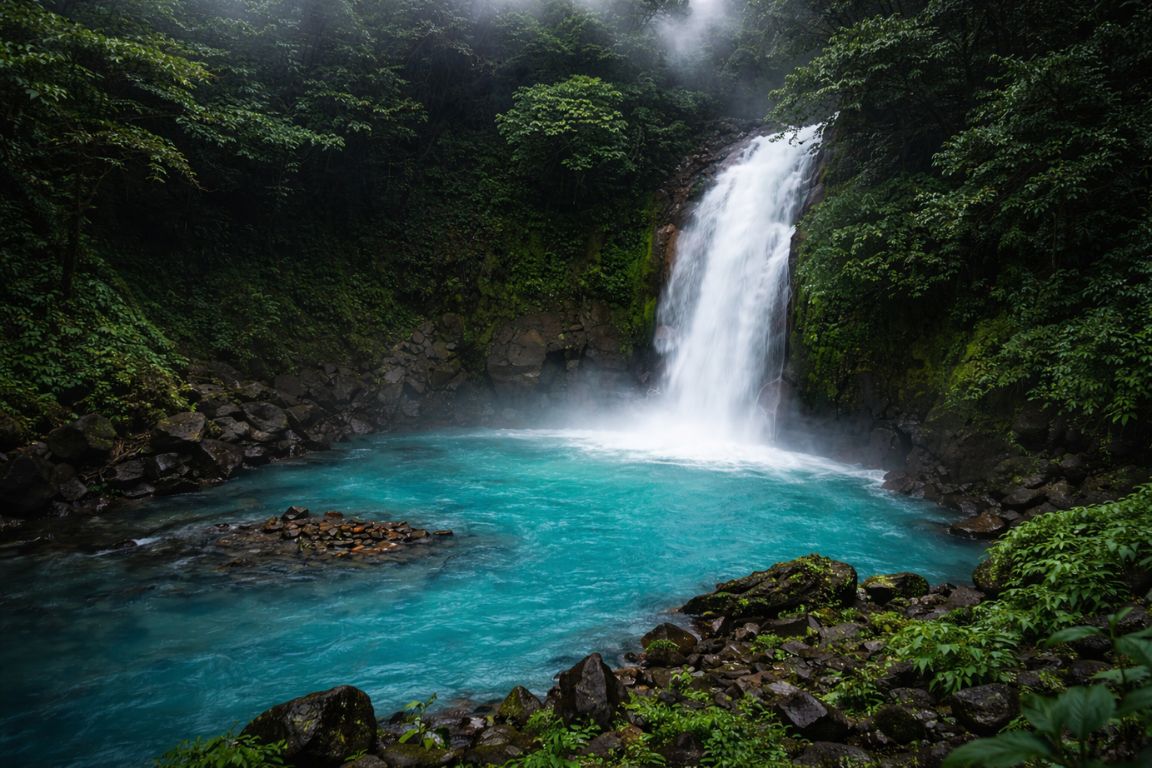
The forest sections give you the kind of slow, ground-level view of the rainforest that a hiking trail covers faster and a vehicle can't access at all. Horses move quietly enough that wildlife sightings along the way aren't unusual, though as with any rainforest activity, what you see on a given day varies.
The waterfall stop is the part that separates this ride from a generic countryside trot. La Fortuna Waterfall's main public entrance runs through a staircase descent of roughly 500 steps down to the base, with an entrance fee generally in the $18-20 range and a swimming area near the base when conditions allow. This horseback tour markets itself as reaching the falls through a separate, private reserve route rather than that main staircase entrance, which is the operator's own claim about what makes their access distinct. Either way, the tour ends with real swim time at the falls rather than a quick look from a viewing platform.
The four hours break down roughly into trail riding time and the waterfall stop itself, though exact timing on any given ride depends on group pace and how long people choose to swim. Guides typically set a workable rhythm rather than rushing riders through the forest section just to bank more pool time, since the ride itself is as much the point as the destination.
What Kind Of Wildlife Might You See Along The Trail?
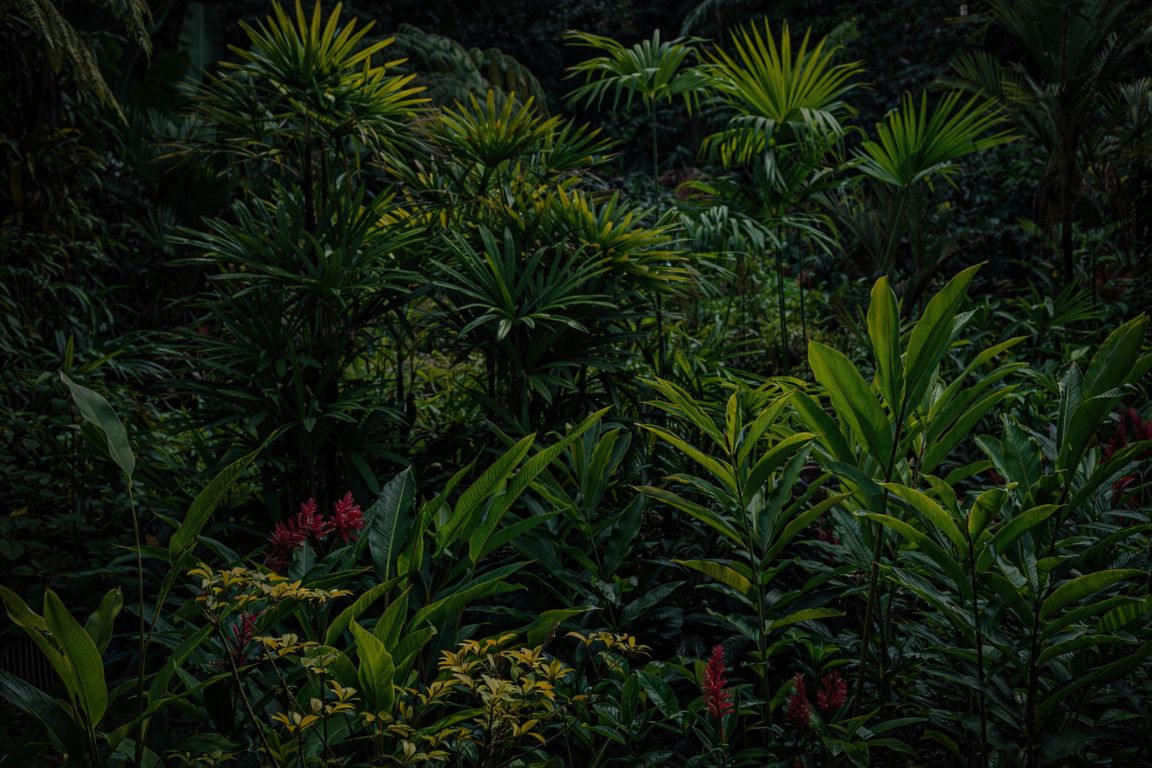
Rainforest trails around Arenal regularly turn up sloths, howler and white-faced monkeys, toucans, and a wide range of smaller birds and insects, though sightings on horseback vary by day like any wildlife encounter in the region. Horses moving at a quiet walk tend to disturb the forest less than a group of hikers talking and moving at a faster pace.
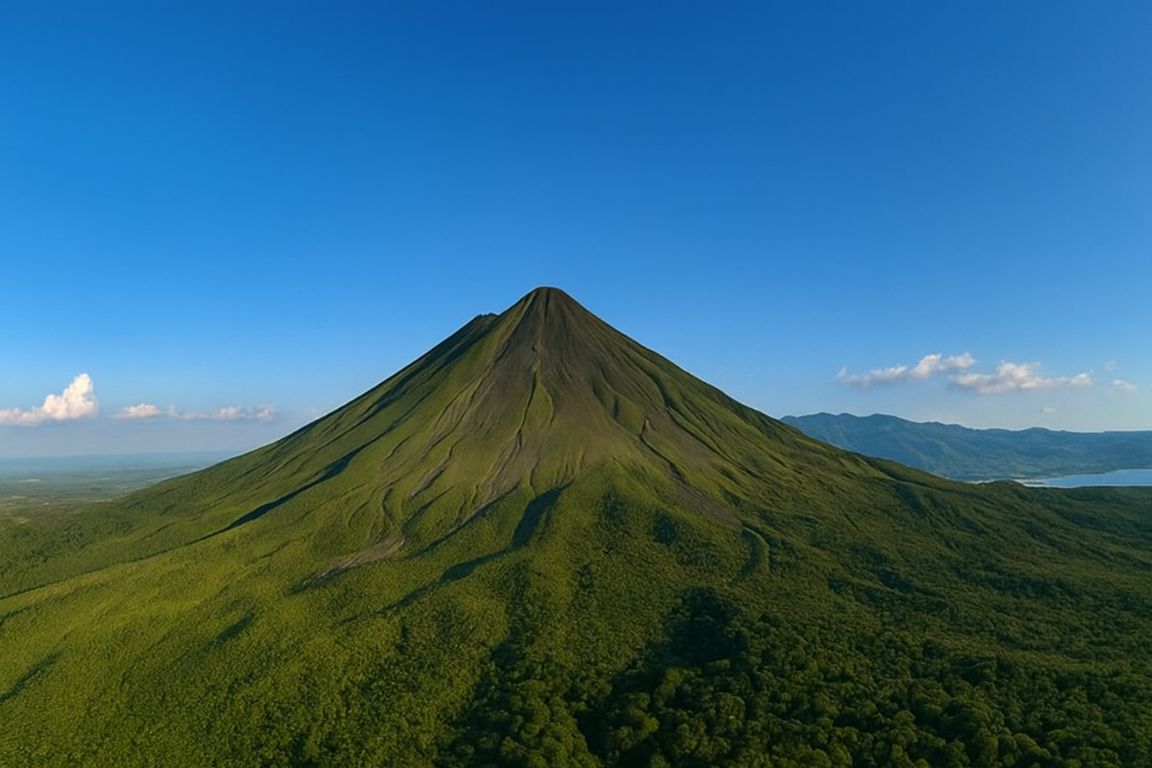
That quieter movement is one of the underappreciated advantages of horseback riding over hiking for wildlife spotting. A line of horses ambling through a trail doesn't announce itself the way a chatty group of hikers does, and animals that would retreat from foot traffic sometimes stay visible a little longer around riders. Wildlife sightings vary; a naturalist adds searching and interpretation, not a guaranteed animal count.
Guides on horseback tours in this region are generally used to pointing out what they spot along the way, whether that's a sloth curled in a distant tree or a troop of monkeys moving through the canopy overhead. It's worth asking your guide directly what they've seen recently on the same route, since local guides typically track this kind of pattern better than any guidebook can.
How Does The Horseback Tour Compare To Other Easy, Family-Friendly Arenal Activities?
At $99 for four hours and a perfect 5-star rating, the horseback tour is priced above most of Arenal's other short, easy activities, though it includes a genuine waterfall visit that most of the cheaper options don't. Bookings run lower than some of the site's bigger sellers, but the rating is as strong as any tour on the site.
| Tour | Price | Duration | Rating | Bookings |
|---|---|---|---|---|
| Arenal Volcano Horse Riding Tour | $99 | 4 hours | 5★ | 764+ |
| La Fortuna Sloth Walk | $39 | 4 hours | 4.9★ | 2,208+ |
| La Fortuna Night Wildlife Walk | $47 | 4 hours | 4.9★ | 1,362+ |
| La Fortuna North Fields Coffee and Chocolate Tour | $40 | 4 hours | 5★ | 3,808+ |
The price gap makes sense once you factor in what's bundled: a horse, a guide, a private-reserve trail, and a waterfall stop with swim time, versus a walking tour with a naturalist guide. None of the cheaper options include an animal or a swimming stop, which is a meaningful difference for the price.
Bookings sitting lower than the sloth tour or coffee tour likely reflects that horseback riding is a more specific interest than a wildlife walk or a farm visit; not everyone wants to ride a horse, but the people who do tend to rate it highly, which the 5-star average and the operator's own quoted feedback both back up.
Who Is This Tour A Good Fit For?
Beginners and experienced riders are both accommodated through skill-based horse matching, which makes this a reasonable pick for mixed groups where riding ability varies. Families should check age and weight guidelines directly with the operator before booking, since these can vary by rider and by horse.
Plan Your Next Step
Compare Your Complete Costs
Choose the route before the riding time: the waterfall ride includes a dismounted walk and steps; the shorter Don Tobias ride explores the volcano base instead.
Booking links may earn us a commission at no extra cost to you. Prices and availability are confirmed by the booking provider.
4 Hours Listed
Horseback Ride To La Fortuna Waterfall
Combine a forest ride with a separate walk to the waterfall.
- Includes
- Horse, equipment, listed transport and waterfall admission.
- Getting There
- Included hotel zone runs from Las Cabañitas to Tabacón; outside costs extra.
Dismount for the waterfall steps. Confirm rider weight, age and horse welfare; not for pregnancy, back or serious heart conditions.
Book The Waterfall Horseback Ride2.5 Hours Listed
Don Tobias Volcano-Base Horse Ride
Ride around Arenal’s lower slopes for forest and volcano scenery.
- Includes
- Guide, helmet and selected hotel transport.
- Getting There
- Selected La Fortuna hotels on the national park route.
Does not visit La Fortuna Waterfall. Moderate fitness; confirm rider age and weight. Not for pregnancy or listed health restrictions.
Book The Volcano-Base Horse Ride
| Traveler Type | Good Fit? | Notes |
|---|---|---|
| First-time riders | Yes | Horses described as mellow and patient, matched to beginner ability |
| Experienced riders | Yes | Matched to a horse and pace suited to stronger riding skills |
| Mixed-ability groups | Yes | Skill-based matching means one group can include both beginners and confident riders |
| Travelers who want to swim at La Fortuna Waterfall without the staircase crowd | Yes | The reserve route markets itself as an alternate way to reach the falls |
| Anyone with a horse allergy, fear of animals, or back/joint issues affecting riding | Talk to the operator first | Riding four hours in rainforest terrain requires being reasonably comfortable in the saddle |
Weight limits are common practice across horseback tour operators generally, set to protect the horses rather than to exclude riders unnecessarily. Because this varies by outfitter and by which horse a rider might be matched with, it's genuinely worth confirming directly rather than guessing, especially if it's a concern for anyone in your group.
Is This A Good Activity For Solo Travelers Or Couples?
Yes. The tour runs as a small guided group rather than a private booking, which makes it a reasonable way for solo travelers to meet other people, and the pacing works fine for couples who'd rather ride side by side than tackle a more physically demanding activity together.
Solo travelers sometimes hesitate to book activities that feel built for groups or families, but a guided horseback ride is one of the more naturally social options in La Fortuna precisely because everyone in the group is doing the same slow, shared activity for four hours. There's built-in conversation time on the trail and again at the waterfall stop.
For couples, the appeal is a bit different: it's a genuinely romantic setting, rainforest, volcano views, a waterfall swim, without the intensity of an adrenaline activity like rafting or canyoning. It's a good pick for a couple where one partner wants adventure and the other prefers something calmer, since the horse does most of the physical work.
What Should You Bring, And What Should You Wear?
Wear closed-toe shoes, pack a swimsuit for the waterfall stop, and bring sun protection, since a chunk of the ride moves through open trail as well as forest canopy. A dry bag or plastic sleeve for your phone is worth it given the swim stop at the end.
Closed-toe shoes matter more for horseback riding than for most other Arenal activities, since sandals can slip in the stirrup and don't offer the same protection if a horse steps near your foot on the ground. Long pants or at least knee-length shorts reduce chafing against the saddle over a four-hour ride.
Because the ride ends at a waterfall with swim time built in, wearing a swimsuit under your riding clothes saves you from changing on-site. Bring a change of dry clothes for the ride back if you'd rather not sit on a horse soaked through. Insect repellent and reef-safe sunscreen round out the practical list, and a strap or dry pouch for your phone protects it both from the swim stop and from general trail dust and moisture.
A few smaller details that make a real difference over four hours in the saddle: sunglasses with a strap, since a horse's gait can jostle loose items off your face more than walking does; a light rain layer during green season, since rainforest weather can shift quickly; and, if you're prone to saddle soreness, padded shorts or leggings under your riding clothes. None of this is specialized gear you need to buy specifically for the trip, just things worth packing if you already own them.
Cameras are worth bringing given the volcano views along the trail and the waterfall at the end, though anyone nervous about a camera around a moving horse should stick to a phone secured in a pocket or small bag rather than something dangling from a strap.
Is The Horseback Tour Worth It If I'Ve Already Booked A Separate Waterfall Or Hot Springs Tour?
It depends on what you're after: the horseback tour's waterfall stop is a swim at La Fortuna Waterfall via a private reserve route, which is different from the full-day waterfall and hot springs tour's broader itinerary covering the falls, lava fields, and a hot springs soak. They overlap on the waterfall but aren't duplicates.
The site's other bookable product touching La Fortuna Waterfall is the full-day waterfall and hot springs tour, a ten-hour outing that also covers a walk on the lava fields and time at the hot springs. That tour gives you more total ground covered in a single day; the horseback tour gives you the waterfall plus a genuinely different way of moving through the landscape to get there.
If your priority is the horse itself, the ride and the animal are the whole point and the waterfall is a bonus. If your priority is maximizing what you see at the falls and adding hot springs to the same day, the full-day waterfall and hot springs tour is the better use of your time. Doing both across different days of an Arenal stay isn't unreasonable either, since they're different enough experiences that neither makes the other redundant.
When'S The Best Time Of Year To Ride?
Dry season, roughly December through April, tends to keep Arenal's forest trails firmer and easier for horses to navigate, while green season brings a lusher, greener landscape but muddier ground. The tour runs year-round either way.
Firmer trails during the dry months generally make for a smoother, more comfortable ride, since horses handle solid ground more confidently than soft, muddy terrain. That said, green season's heavier rain tends to arrive in the afternoons in the La Fortuna area, which leaves mornings workable for outdoor activities including horseback riding most of the year.
There's also an argument for green season specifically because of the rainforest itself: the trail and canopy are noticeably more lush and vivid outside the driest months, even if the ground underfoot is softer. Neither season is a hard reason to skip the ride; it's more a question of trail comfort versus scenery.
How Does Horseback Riding Stack Up Against Hiking The Same Kind Of Terrain?
A horse covers ground faster and with far less physical effort than hiking the same distance, letting you reach spots on a longer route than most walking tours attempt, though you trade some of the up-close, stop-anywhere flexibility that hiking allows. Both are valid ways to see Arenal's rainforest; they just deliver a different experience.
On foot, you set your own pace, stop wherever something catches your eye, and get a slower, more detailed look at the immediate trail around you. On a horse, the pace is set by the animal and the guide, the ground you cover in four hours would take considerably longer walking, and there's a genuine novelty to experiencing rainforest and volcano scenery from horseback rather than on foot, which is part of the draw for people who've already done a hiking tour on a previous trip.
Neither approach is inherently better. Hiking suits travelers who want maximum control and don't mind the physical effort. Horseback suits travelers who want to cover more varied terrain, including a genuine waterfall stop, without the sustained physical demand of a multi-hour hike, and who simply enjoy riding as an activity in its own right.
What Do Past Riders Say About The Experience?
The tour holds a perfect 5-star rating across more than 764 recorded bookings, and traveler feedback quoted by the operator describes it as "an absolute must-do" and the "highlight of our Costa Rica trip." That's a strong signal for a tour competing against higher-profile activities like the zipline and ATV tours for the same travelers' time.
A perfect star average across several hundred bookings is a meaningfully high bar, since it means very few riders came away with a lukewarm or negative experience. Combined with feedback singling it out as a trip highlight rather than just a solid activity, the pattern suggests this tour tends to exceed expectations rather than merely meet them, which isn't guaranteed for every horseback outfit in a region with as much tourism as La Fortuna.
None of that guarantees any individual rider's experience will match, since weather, group dynamics, and the specific horse you're matched with all vary day to day. But it's a reasonable data point when weighing this tour against the area's other short, easy activities.
How Does Horse Care And Welfare Factor Into Choosing A Tour?
Well-treated, well-kept horses tend to be calmer, safer, and generally happier to work with, which matters both ethically and practically for anyone riding one for four hours. The operator's own description points to horses on beautifully kept grounds as part of what sets this tour apart.
Horse welfare is a legitimate concern across the tourism horseback riding industry broadly, since demand for animal-based tourist activities can sometimes outpace responsible animal care. Signs of a well-run operation generally include horses that appear healthy and unhurried, riders matched thoughtfully to horses rather than assigned at random regardless of size or experience, and guides who clearly know each animal's individual temperament rather than treating them interchangeably.
Asking a few direct questions before booking, how horses are cared for, how riders get matched, whether horses get rest between tours, is a reasonable thing to do with any horseback operator, not just this one. It's a good practice for animal-based tourism generally, and a responsible outfitter should have straightforward answers.
Can You Combine This With Other Arenal Activities On The Same Day?
At four hours, the horseback tour leaves most of a day open, making it realistic to pair with a lower-key second activity, though stacking it against another physically demanding tour on the same day is worth thinking through first. A hot springs evening afterward is a natural pairing given the riding and the waterfall swim earlier in the day.
Because the tour already includes real physical activity, four hours in the saddle plus a swim, and because it typically runs as a morning or afternoon block rather than a full-day commitment, it leaves room to add something else without turning the day into a marathon. A relaxed hot springs soak in the evening complements the muscles worked by riding, while a coffee and chocolate farm tour makes a reasonable, low-effort second activity earlier or later the same day.
What doesn't pair as naturally is stacking the horseback tour against another full physical activity like rafting or canyoning on the same day. Both involve sustained physical effort and, in the horseback tour's case, saddle time that can leave first-time riders sore. Spacing bigger physical activities across different days of an Arenal stay tends to make for a more comfortable trip overall.
Is Horseback Riding A Better First Activity Or A Better Later Activity During An Arenal Trip?
Either works, but there's a reasonable case for booking it earlier in a multi-day stay: it's low-intensity enough not to wreck the rest of your trip if you're mildly sore afterward, and it doubles as an easy orientation to the landscape you'll be exploring in more depth on other tours.
Booking horseback riding on day one or two of an Arenal stay gives first-time visitors a gentle introduction to the terrain, the volcano's presence on the skyline, and the general rhythm of guided activities in the region, all without the physical demands of hiking, rafting, or canyoning. That context can make later, more intense activities feel more familiar rather than jumping straight into something demanding on your first full day.
Booking it later in a trip works just as well as a lower-key day sandwiched between more physically demanding activities, functioning almost as an active rest day. There's no wrong answer here; it's more about how you want to pace an Arenal stay than a hard requirement tied to the tour itself.
Whichever day you choose, check availability with enough lead time that you're not scrambling to fit it in at the last minute, since a tour built around real, well-cared-for animals typically runs limited daily departures rather than continuous availability throughout the day.
Choose Your Activity Date
Horseback Ride To La Fortuna Waterfall: Combine a forest ride with a separate walk to the waterfall.
Use the provider’s calendar to select your date, party and departure. Live availability is checked on the booking page.