Best Ziplining In Arenal (2026)
La Fortuna sits at the base of a volcano wrapped in rainforest, and cutting a line through that canopy on a steel cable is one of the fastest ways to see it. This guide covers the area's 12-cable zipline experience in detail: what it costs, what it includes, and whether it beats the other adventure options nearby.
The listed 12-cable tour lasts about 2.5 hours before your own travel buffer. Check harness, age and weight requirements; a canopy ride is not waterfall admission. Compare The Options Below.
Plan In Brief: The listed 12-cable tour lasts about 2.5 hours before your own travel buffer. Check harness, age and weight requirements; a canopy ride is not waterfall admission. Choose Your Activity, then confirm your date.
Earlier budget ranges in this guide are planning estimates, not current quotes. Confirm current fees, access rules and the selected tour option before booking.
Ziplining shows up on almost every "things to do in Arenal" list, and for good reason. It is fast, it does not require athletic ability, and it puts you inside a rainforest canopy you would otherwise only see from the ground. But "zipline tour" covers a wide range of experiences in Costa Rica, from short two-cable add-ons at hotel properties to full canopy circuits with a dozen platforms. Before booking anything, it helps to know exactly what you are paying for.
How Many Cables Does The Arenal Zipline Tour Have?
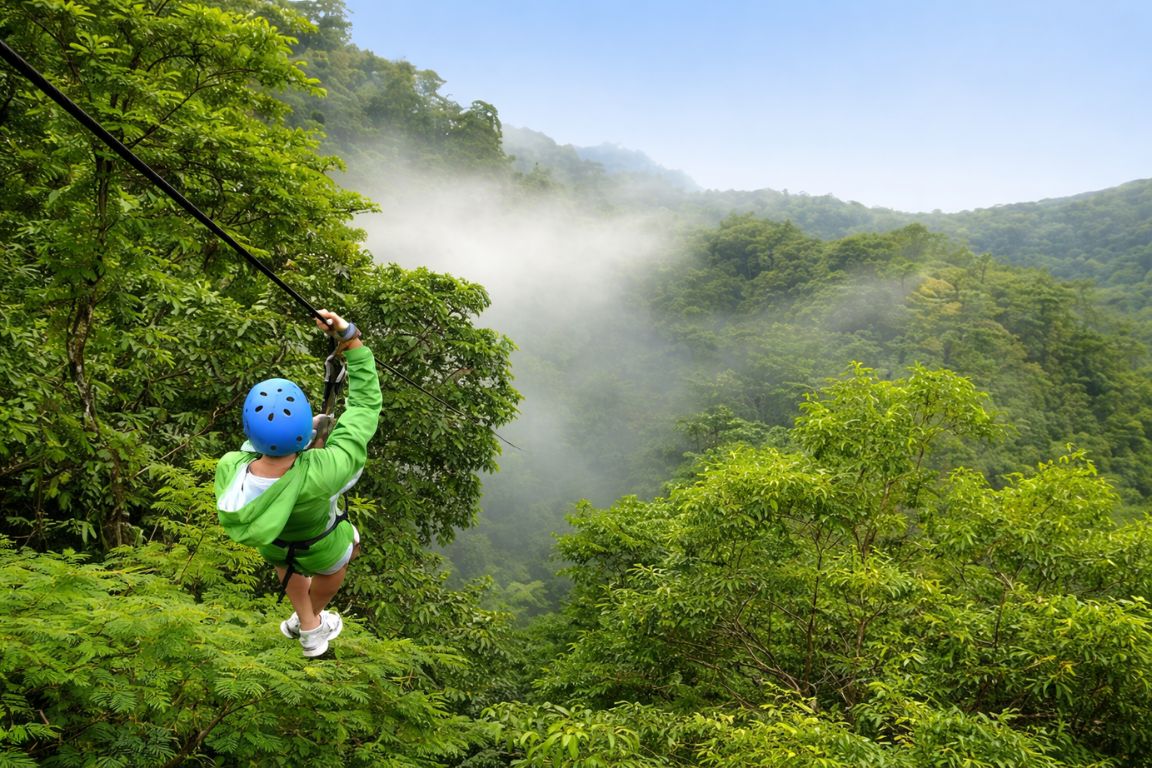
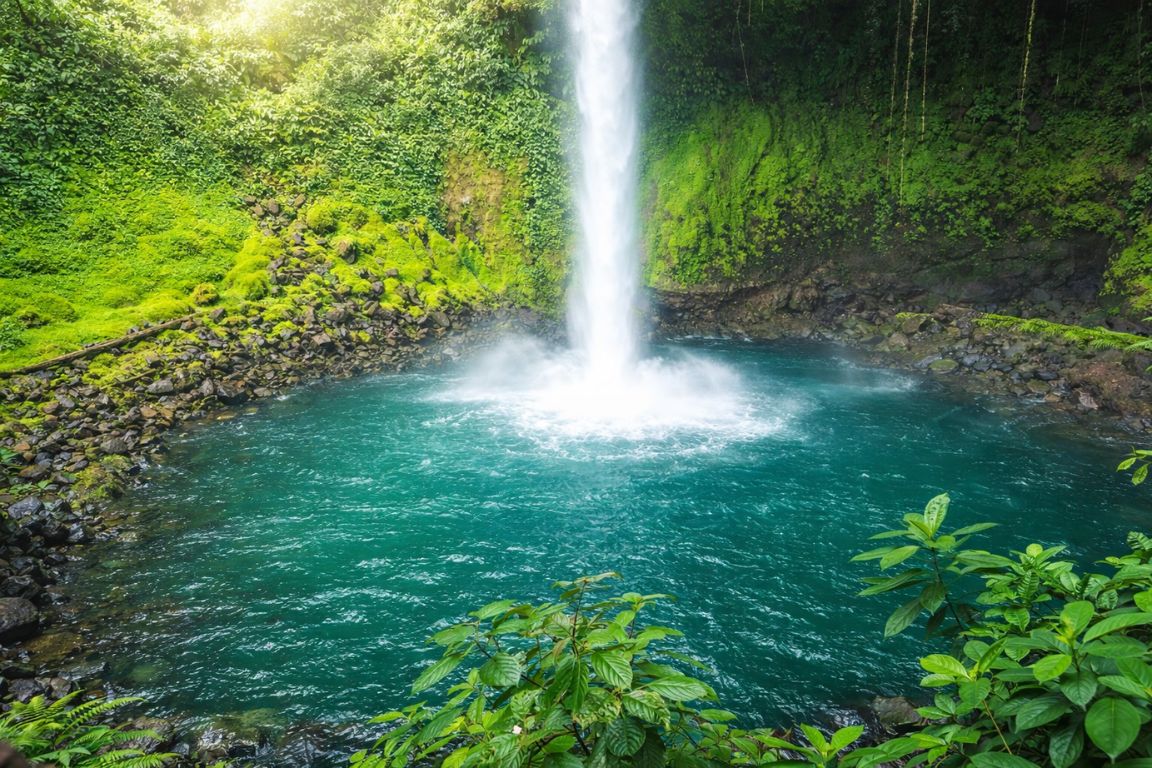
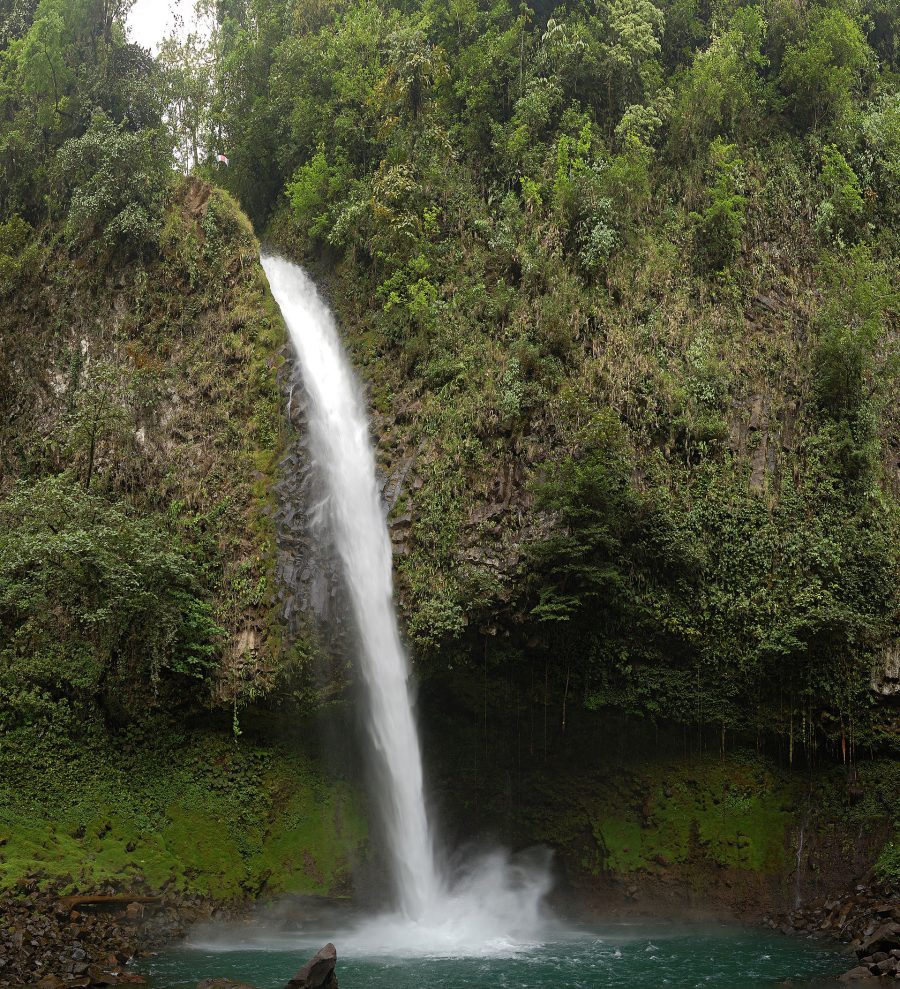
The bookable Arenal zipline tour on this site runs a 12-cable circuit through rainforest canopy near La Fortuna, completed in about 2.5 hours including transport and gear-up. It holds a 4.9-star rating across more than 8,270 bookings on Viator at $107 per person, and its signature run sends you directly over La Fortuna Waterfall. That last detail is the real differentiator. A lot of zipline operators in the area sell a similar canopy format of cables strung between platforms through the forest, but this particular course is built around a line that crosses above the waterfall itself, which the operator markets as something not offered on other courses in the valley.
| Detail | Arenal 12-Zipline Cables Experience |
|---|---|
| Price | $107 per person |
| Duration | 2 hours |
| Cables | 12, including a run over La Fortuna Waterfall |
| Rating | 4.9 out of 5 |
| Bookings | 8,270+ |
| Platform | Viator |
Twelve cables is a substantial circuit by regional standards. You are not doing one long thrill run and heading home, you are working through a sequence of platforms, each one delivering a different angle on the forest below. Guides ride the course with you, sharing background on the biodiversity of the area between runs rather than just clipping you in and sending you off.
What Does The Two-Hour Circuit Actually Include?
The tour includes hotel or downtown La Fortuna pickup, a safety briefing, harness and helmet fitting, and the guided 12-cable run itself, with the standout moment being the zipline that passes directly over La Fortuna Waterfall. Along the way, guides point out views of Arenal Volcano and Cerro Chato when clouds allow. The 2.5-hour window covers the whole loop, not just cable time, so expect roughly 30 to 45 minutes of prep and transfers bookending the actual ziplining.
Because the course is built for a broad range of visitors, the pacing tends to be unhurried. You move platform to platform behind or ahead of your group rather than in a strict single-file rush, and guides are used to coaching first-timers through the braking technique on the first cable or two before speeds pick up on the later runs. Equipment is fitted before you leave the staging area, and the safety briefing covers hand position, braking, and what to do if you come to a stop mid-cable, which happens occasionally and is not an emergency, just a normal part of the ride that guides are trained to handle.
The panoramic views are a real part of the pitch, not filler copy. Arenal's cone and the neighboring Cerro Chato are visible from parts of the course on clear mornings, though this is a cloud forest environment and visibility shifts through the day, the same way it does on the ground trails around the national park. Nobody can promise you an unobstructed volcano view on a specific afternoon, and any guide who does is overselling it.
How Much Does It Cost, And Is It Worth It?
At $107 for a 2.5-hour, 12-cable circuit with a waterfall crossing, this tour sits in the middle of the price range for organized adventure activities around La Fortuna. Google's aggregated market data on Arenal-area tours generally puts half-day and full-day excursions from $15 to $85 per person across the wider market, though that figure spans everything from short walks to full-day combos, not just adventure sports specifically. Specialized activities like ziplining, ATV touring, and canyoning tend to price above that broader average because of the equipment, insurance, and certified guiding they require.
Whether it is "worth it" comes down to what you are comparing it to. Against a generic 8 to 10 cable canopy tour elsewhere in the region, paying a bit more for a course built around the waterfall crossing is a reasonable trade if that view matters to you. Against doing nothing and just hiking the national park trails for $15, ziplining is obviously the pricier choice, but it is also a genuinely different experience, not a substitute for the same thing.
Consider it against the 2.5-hour ATV tour too, since that is the other short adventure activity in this price bracket. At $130, the ATV tour costs $23 more for the same time commitment, though it trades platform-to-platform ziplining for off-road driving and a cultural stop. Neither is a better value in the abstract, they deliver different mornings, and the right one depends on whether you would rather be strapped into a harness moving through the canopy or gripping handlebars on a jungle trail.
What Will You Actually See From The Canopy?
Beyond the waterfall crossing, the course moves through layers of rainforest canopy that most visitors never see from any other vantage point in La Fortuna, with guides pointing out canopy-level plant life and, when timing and luck cooperate, birds or monkeys moving through the trees. Arenal Volcano and Cerro Chato appear at points along the route on clear mornings, though cloud cover is common in this part of Costa Rica and can obscure both at any given moment.

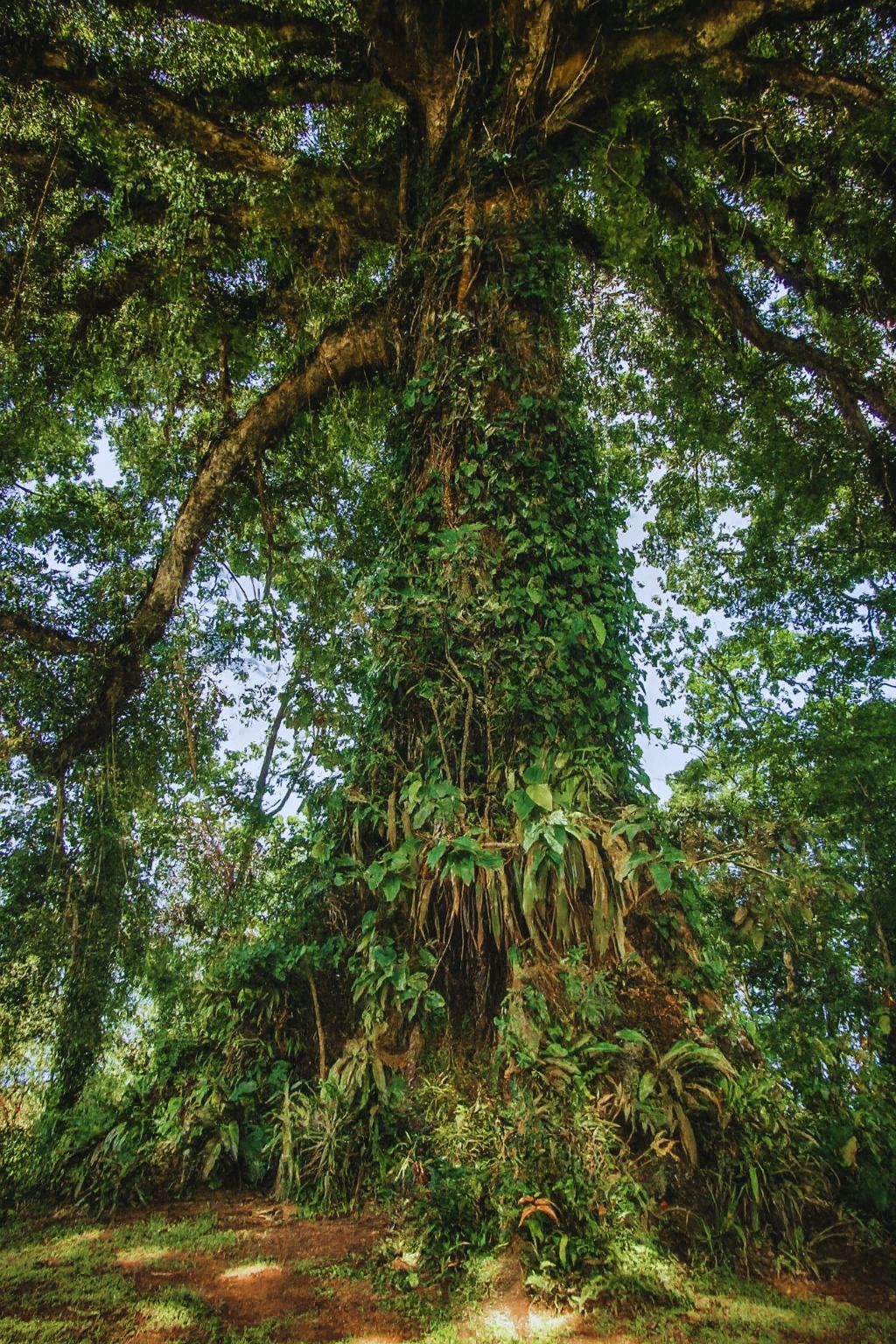
The forest itself is the more reliable payoff. Zipline platforms are typically built at a height that puts you inside the mid and upper canopy rather than just skimming over the treetops, which changes how the rainforest reads compared to a ground-level hike. You see the structure of the trees from the side, the way vines and epiphytes cling to branches, and how much light actually reaches different layers of forest, details that are hard to appreciate from a trail below.
Wildlife sightings on a moving zipline course are inherently less reliable than on a slow-paced guided nature walk, where naturalist guides use scopes and know exactly where to look. Nobody should book this tour expecting guaranteed animal encounters the way they might on a dedicated wildlife tour. What you are more likely to notice is birdlife moving between platforms during the pauses, since those quieter moments between cables are when a sharp-eyed guide is most likely to spot something and point it out.
How Does Group Size And Pacing Work On Tour Day?
Zipline tours in La Fortuna typically run in small groups moving through the course together, with a guide managing the pace at each platform and briefing riders before every cable. Waiting time between runs is normal, since only one or two people clip in at a time on most platforms, and larger tour groups can mean more time standing on a platform between your turns.
This is worth knowing going in, since a 2.5-hour tour is not 2.5 hours of continuous cable time. Expect a mix of active moments zipping between platforms and quieter stretches waiting your turn, chatting with guides, or taking in the view from a stationary platform. Travelers who show up expecting nonstop motion sometimes find the pacing slower than anticipated, while those expecting a relaxed, social morning tend to enjoy the built-in downtime.
Photo and video opportunities vary by operator. Some canopy tour companies in the region offer photo or video packages for an additional fee, using a guide with a mounted camera or GoPro rigs on riders, while others leave photography entirely to what your group can capture themselves mid-harness. Confirm what is and is not included when you book if photos and video of the experience matter to you, rather than assuming either way.
Is Ziplining In Arenal Safe?
Costa Rican canopy tour operators run on dual-cable safety systems with certified guides, and this tour's listing specifically markets itself as welcoming all skill levels with a detailed safety briefing and quality equipment. That said, ziplining still carries inherent risk, as any activity involving harnesses, height, and moving cable does, and no operator can eliminate that entirely.
What lowers the risk in practice is preparation and following instructions. Guides brake the line for you at some courses and coach you through self-braking at others, and this operator's format leans toward guided, instructed runs rather than leaving beginners to figure out braking alone. Wearing closed-toe shoes, tying back long hair, securing loose items like hats and sunglasses, and listening through the full safety briefing rather than tuning it out because you have ziplined before elsewhere all reduce the actual on-course risk more than most people expect.
If you have a specific medical condition, are pregnant, or have a back or neck issue, it is worth checking with the operator directly before booking rather than assuming a general "family-friendly" label covers your situation. Operators typically maintain health and safety restrictions around these conditions industry-wide, and this listing does not publish a detailed medical exclusion list, so a direct question at booking is the honest way to confirm you are cleared.
What Should You Wear And Bring?
Closed-toe athletic shoes are close to mandatory, since sandals and flip-flops are unsafe on platforms and cannot be secured in a harness properly. Beyond that, comfortable athletic clothing, sunscreen, insect repellent, and a way to secure your phone or camera (a zippered pocket, not a hand grip) cover most of what you need.
- Closed-toe shoes with laces or straps that fasten securely
- Athletic clothing you do not mind sweating in, avoid loose skirts or dresses
- Sunscreen and bug spray, applied before the harness goes on
- A hat only if it has a chin strap, otherwise leave it at the hotel
- Cash for tips, which most guides on canopy tours rely on as part of their income
| Item | Priority | Why |
|---|---|---|
| Closed-toe athletic shoes | Essential | Required for platform footing and harness safety |
| Athletic clothing, no loose skirts | Essential | Loose fabric can catch on harness hardware |
| Sunscreen | Essential | Canopy gaps and platforms expose you to direct tropical sun |
| Insect repellent | Recommended | Standard for any rainforest activity in this region |
| Cash for guide tips | Recommended | Common practice across canopy tours in Costa Rica |
| Secured phone or camera | Optional | Fine if zippered in, not safe held loosely mid-cable |
| Chin-strap hat | Optional | Regular hats and caps are prone to falling mid-run |
Leave large bags, loose jewelry, and anything you cannot afford to drop at your accommodation. Cameras and phones are fine if secured, but this is not the tour to bring a DSLR on a neck strap.
Is This Zipline Good For Kids, First-Timers, Or People Afraid Of Heights?
The tour's own listing markets it as family-friendly and welcoming to all skill levels, which fits the broader pattern of Costa Rican canopy tours: most are built for tourists with zero prior ziplining experience, not adrenaline specialists. People with a moderate fear of heights often do fine once moving, since the platforms feel more stable than the anticipation suggests, though someone with a severe phobia should think honestly about whether 12 cables in a row is the right introduction.
For young children, the limiting factor is usually harness fit and physical readiness rather than nerve. Operators generally set minimum age and weight requirements for safety-harness reasons, and this listing does not publish an exact cutoff, so confirm current age and weight limits directly with the operator when you book if you are traveling with a child under about eight or an adult above typical harness weight ranges. First-timers tend to find the first cable is the nervous one and the rest of the course gets easier once you have felt the harness hold and understood the braking mechanism.
Ziplining Vs Canyoning Vs ATV: Which Should You Book?
Ziplining is the shortest and most broadly accessible of the three, at 2.5 hours and a moderate physical bar. ATV touring covers more ground and adds off-road driving to the mix at a similar 2.5-hour length. Canyoning and waterfall rappelling ask for more physical commitment and deliver a more intense, water-based adventure over three to six hours. If you only have time or budget for one adventure activity in La Fortuna, this comparison is the fastest way to decide.
Plan Your Next Step
Compare Your Complete Costs
The listed 12-cable tour lasts about 2.5 hours before your own travel buffer. Check harness, age and weight requirements; a canopy ride is not waterfall admission.
Booking links may earn us a commission at no extra cost to you. Prices and availability are confirmed by the booking provider.
2.5 Hours Listed
Arenal 12-Cable Zipline
See the canopy from 12 cables with an equipped zipline team.
- Includes
- Guided zipline circuit and equipment.
- Getting There
- Confirm the listed meeting or pickup arrangement.
Height exposure and harness fit matter. Confirm age and weight limits before booking; not a waterfall entrance ticket.
Reserve The 12-Cable Zipline3 Hours Listed
La Roca Waterfall Rappelling
Choose a shorter guided waterfall descent with supplied technical gear.
- Includes
- Guided canyoning and safety equipment.
- Getting There
- Check your meeting point or pickup with the operator.
Moderate fitness; not wheelchair accessible or recommended for pregnancy, back or serious heart conditions. Confirm minimum age.
Book Waterfall Rappelling2 Hours Listed
Arenal Guided ATV Ride
Explore rural trails by quad bike with a guide and helmet.
- Includes
- ATV, helmet, guide and water.
- Getting There
- Shared pickup within 3 km of central La Fortuna; farther hotels cost extra.
Driver license required; children 5+ as eligible passengers. Maximum 150 kg per ATV. Not wheelchair accessible.
Book The Guided ATV Ride| Activity | Price | Duration | Rating | Bookings | Best for |
|---|---|---|---|---|---|
| 12-Cable Zipline | $107 | 2 hours | 4.9★ | 8,270+ | First-timers, families, short time window |
| ATV Guided Tour | $130 | 2 hours | 4.7★ | 6,007+ | Off-road driving, cultural stop, wildlife |
| Waterfall Rappelling | $105 | 3 hours | 5★ | 10,601+ | Beginners wanting a bigger adrenaline step |
| Waterfall Jumping & Extreme Canyoning | $108 | 6 hours | 4.7★ | 921+ | Fit travelers wanting the most extreme option |
None of these four is objectively "the best," they solve different problems. If your group includes young kids, older relatives, or anyone nervous about full-body water activities, the zipline is the low-friction pick. If you want to cover ground and see a side of the valley most tourists skip, including a visit to a Maleku indigenous home on private jungle property, the ATV tour does that. If you want to get wet and feel like you actually did something physical, rappelling or canyoning delivers that in a way ziplining does not attempt to.
Time budget is often the real decider on a packed itinerary. Two hours for either the zipline or the ATV tour leaves most of a day free for a waterfall visit, hot springs, or simply resting before dinner. Committing to the 6-hour extreme canyoning tour effectively uses up your whole day in La Fortuna, which is a bigger ask if you are only in the area for two or three nights and trying to fit in several different experiences.
When Is The Best Time Of Year To Zipline In Arenal?
Ziplining runs year-round in La Fortuna since cables and platforms are not weather-dependent the way river-based activities are, but dry season (roughly January through April) offers the clearest volcano views and driest trail access to and from the staging area. Green season (May through November) brings more frequent afternoon rain, though mornings are often still clear.
Because the tour operates on a fixed departure schedule rather than depending on river levels like rafting or canyoning does, it is one of the more weather-flexible adventure bookings in La Fortuna. A light rain does not usually cancel a zipline tour, though lightning does, for obvious safety reasons. If you are booking during green season, an early morning slot gives you the best odds of dry cables and a clear sky before afternoon clouds roll in, a pattern that holds across most outdoor activities in this part of Costa Rica.
How Do You Book, And What Should You Expect On Tour Day?
Booking is done online through the tour listing, with hotel or central La Fortuna pickup typically included. On the day, arrive in the clothing and shoes described above, expect a short safety briefing and gear fitting before the course starts, and budget the full 2.5-hour window even though the actual ziplining portion is shorter than that once transfers and prep are factored in.
Confirm your pickup time and location the night before if the operator sends a reminder, since La Fortuna hotels are spread across a fairly wide area and pickup windows can run earlier than expected during high season when multiple pickups are stacked into one route. Bring a printed or digital confirmation, wear the shoes you plan to zipline in rather than packing them, and eat something beforehand since the tour does not include a meal.
If you are combining this with other activities during your La Fortuna stay, morning departures generally leave the rest of the day open for a waterfall visit or a hot springs soak, both of which pair well with the physical exertion of a morning on the cables. Guides at the end of the tour are a good source for current local recommendations, since they run this route daily and tend to know which nearby spots are worth an afternoon stop.
How Does Arenal'S Zipline Compare To Costa Rica'S Other Big Canopy Destinations?
Costa Rica has several well-known zipline regions beyond Arenal, most notably Monteverde's cloud forest canopy tours further north, and travelers sometimes ask whether it is worth waiting for one destination over the other. The honest answer is that both regions offer legitimate canopy experiences with their own character, and the right call usually comes down to where the rest of your itinerary already has you rather than choosing one over the other.
Arenal's zipline tours sell themselves on proximity to the volcano and, on this particular course, the direct crossing over La Fortuna Waterfall, a feature specific to this operator rather than something you would find on a generic canopy course elsewhere. Monteverde's cloud forest sits at higher elevation with a cooler, mistier climate and its own long-established zipline industry, genuinely worth doing if your trip includes that region, but not something to detour for if you are only visiting Arenal.
For most travelers building a Costa Rica itinerary around La Fortuna, booking the local 12-cable course rather than adding a special trip elsewhere for ziplining specifically is the more efficient use of time. If your itinerary already includes both Arenal and Monteverde, doing a canopy tour in each region is a reasonable way to compare two genuinely different environments rather than a repeat of the same activity.
Is It Worth Tipping Your Zipline Guides?
Tipping is customary but not built into the $107 price, and guides on canopy tours across Costa Rica generally rely on tips as a meaningful part of their income given the physically demanding, safety-focused work of running a group through a course multiple times a day. There is no fixed rule for how much, and it varies by group size and how many guides worked your tour, but bringing a modest amount of cash specifically for this purpose is standard practice among repeat visitors to the region.
If you are unsure how much feels appropriate, asking your hotel concierge or the tour operator directly for a typical range is more reliable than guessing, since norms shift over time and this guide is not the place to assert a specific dollar figure as fact. What matters more than the exact amount is recognizing that guides on adventure tours throughout La Fortuna, whether ziplining, ATV touring, or canyoning, depend on tips in a way that differs from a standard restaurant or hotel setting.
Choose Your Activity Date
Arenal 12-Cable Zipline: See the canopy from 12 cables with an equipped zipline team.
Use the provider’s calendar to select your date, party and departure. Live availability is checked on the booking page.