White-Water Rafting Near Arenal: Balsa River Guide (2026)
The Balsa River doesn't have the international reputation of Costa Rica's biggest rafting rivers, and for most travelers based in La Fortuna, that's exactly the point. It's close, it's genuinely fun, and it doesn't require a full day away from Arenal.
Balsa Class II–III is active paddling in rapids. Choose a safari float if your priority is watching riverbank wildlife while a guide paddles. Compare The Options Below.
Plan In Brief: Balsa Class II–III is active paddling in rapids. Choose a safari float if your priority is watching riverbank wildlife while a guide paddles. Choose Your Activity, then confirm your date.
Earlier budget ranges in this guide are planning estimates, not current quotes. Confirm current fees, access rules and the selected tour option before booking.
The Balsa River doesn't carry the name recognition of the Pacuare or the Sarapiquí, and most guidebooks barely mention it. For travelers staying in La Fortuna who want a real rafting day without giving up an entire day of their Arenal trip, that's the point. This is the river the area's own outfitters run, a Class II-III trip built around a stretch of rapids locals call Congo Loco, and it's the whitewater tour this site actually books. Below is what the trip involves, who it suits, and how it compares to the more advanced rivers you'll hear other guides talk about.
How Difficult Is Balsa River Rafting?
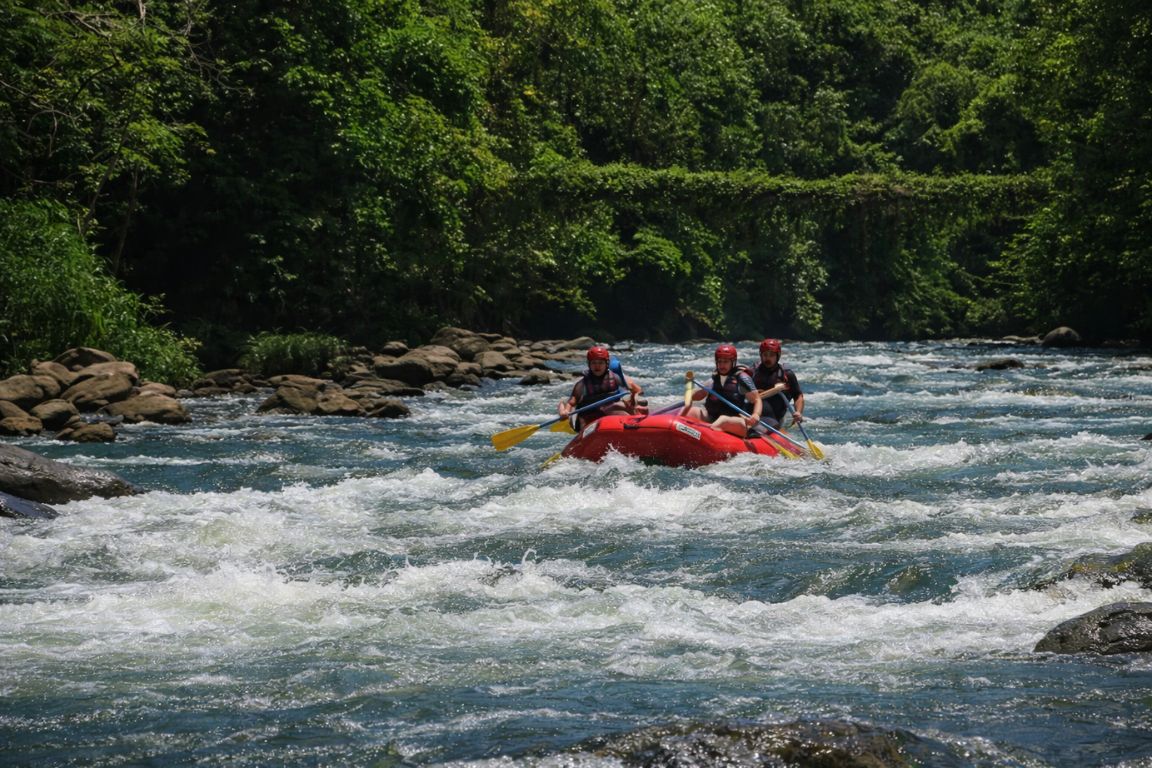
The Balsa River rafting trip near Arenal runs Class II to III whitewater, generally described as beginner-to-intermediate, with the trip built around one bigger rapid section known as Congo Loco. It sits well below the Class IV-V water that experienced rafters chase on Costa Rica's harder rivers, but it isn't a float trip either.
International river classification runs from Class I (flat, moving water) to Class V (expert-only, serious consequence rapids). Class II is small waves and clear paths through obstacles; Class III adds bigger, irregular waves and rapids that require some maneuvering but are still forgiving of a missed paddle stroke. Balsa sits in that II-III band, which is why outfitters market it toward first-timers, families with older kids, and groups who want a genuine adrenaline hit without technical whitewater experience.
Congo Loco is the trip's signature stretch, the section where the current picks up, the raft bounces through a tighter line, and everyone in the boat is usually paddling hard by the end of it. It's the part guides build the whole run around, and it's what most people who've done the trip mention first.
Outside of Congo Loco, the run alternates between splashy, playful sections and calmer stretches where the pace drops and the jungle takes over. That mix is deliberate. It keeps the trip accessible to people who've never rafted while still giving the boat a real highlight to build toward.
What Actually Happens On The Trip, From Pickup To Takeout?
The Balsa River tour runs about four hours total, covering transport, a safety briefing and gear fitting, the river run itself, and the return. Guides handle the technical decisions on the water; guests paddle on command and follow directions through the rapids.
The day starts with a safety talk on shore covering paddle commands, what to do if you go in the water, and how the raft is meant to move through a rapid as a team rather than as individuals. This isn't a formality outfitters rush through; it's the part that determines how the boat performs once the current picks up.
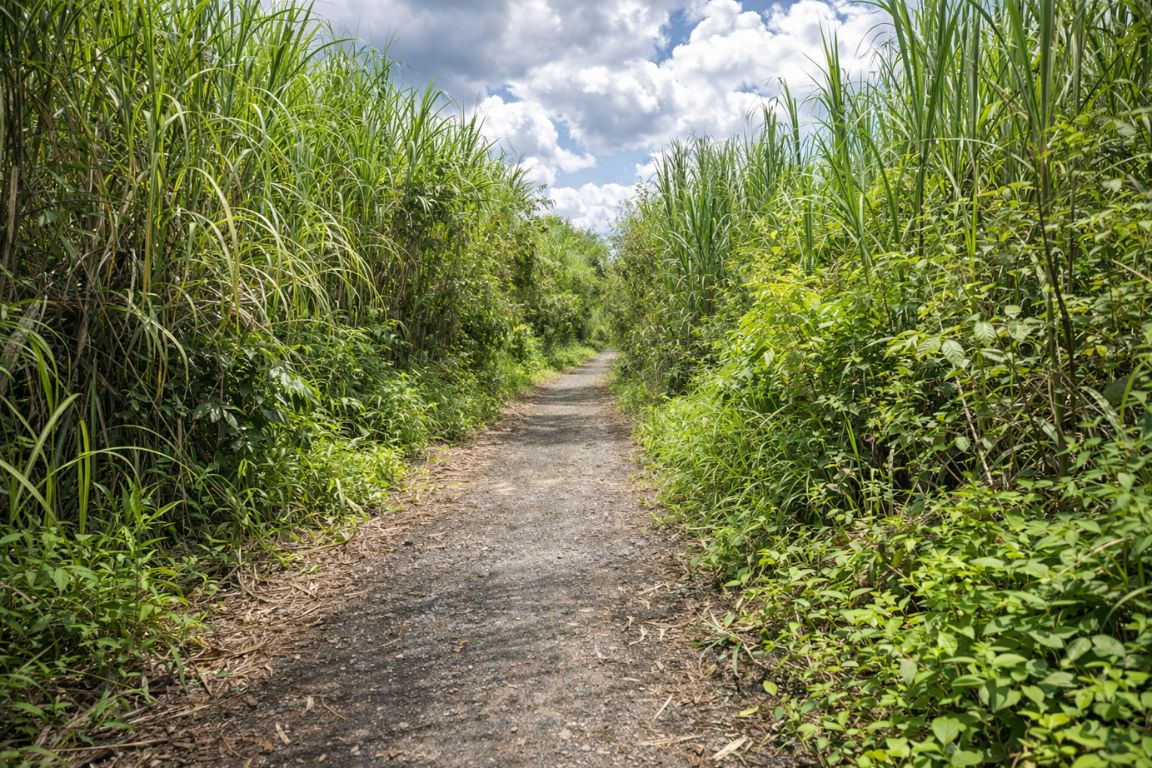
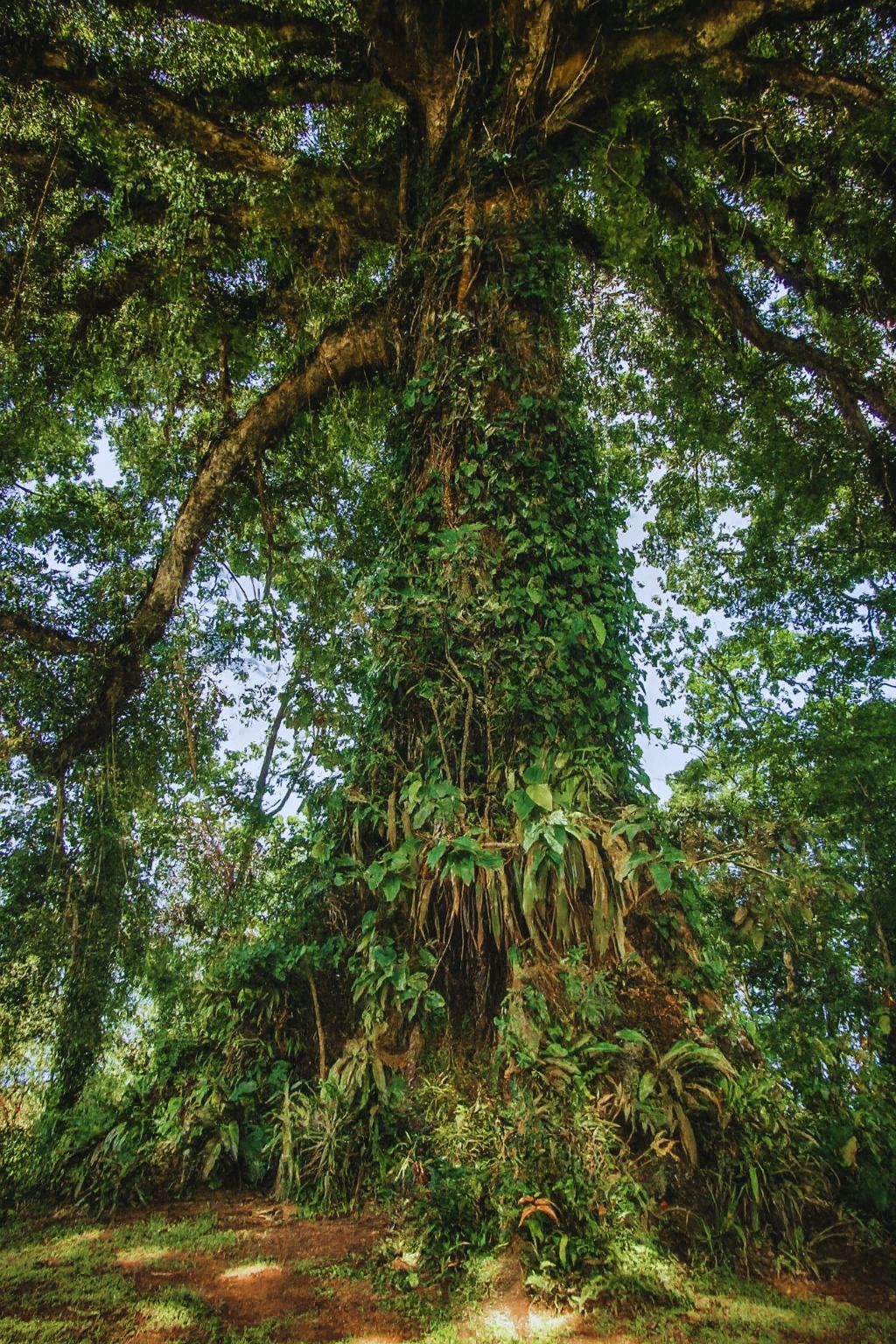
Once on the water, the pace builds gradually. Early sections let new paddlers get comfortable with the raft's rhythm and the guide's commands before the current does any of the work for you. Between rapids, the river slows into calmer float sections, and this is where the trip stops feeling like an adrenaline sport and starts feeling like a jungle float. Howler monkeys are a regular presence along tropical rivers like the Balsa, calling from the canopy well before you can see them, and toucans and other birdlife show up along the banks in the quieter stretches.
Congo Loco comes partway through the run, and it's the section guides brief hardest for beforehand. After it, the trip eases back down before the takeout, where boats are pulled from the water and gear is loaded up for the return transport.
How Does Balsa River Rafting Compare To The Sarapiquí And The Pacuare?
Balsa is the local, easy-access river and the one this site's tour actually runs; the Sarapiquí and the Pacuare are bigger-name rivers further from La Fortuna, generally rated a notch more advanced, and not something this site sells or prices. They're worth knowing about if you're weighing a serious multi-river rafting trip, but treat any specifics about them as general Costa Rica travel knowledge, not a booking option here.
| River | Typical Rapid Class | Relative to La Fortuna | Typical Trip Style |
|---|---|---|---|
| Balsa River | Class II-III | The local river; this is the rafting tour this site books | Half-day trip, easy to fit around an Arenal stay |
| Sarapiquí River | Class III-IV (varies by section) | On the Caribbean slope, further out than Balsa | Popular day-trip river for rafters wanting more technical water |
| Pacuare River | Class III-IV, widely ranked among Costa Rica's premier rafting rivers | Near Turrialba, several hours from La Fortuna | Often run as an overnight with a riverside jungle lodge, or as a long day trip from San José |
The practical difference for someone based in La Fortuna is logistics as much as difficulty. Balsa is close enough to fit into a morning or afternoon without eating your whole Arenal itinerary. The Sarapiquí and Pacuare sit further out on the Caribbean side of the country, which is exactly why serious rafting trips there tend to get built around San José or turned into an overnight rather than squeezed into a La Fortuna day.
None of that makes Balsa a lesser trip, just a different one. If your goal is a fun, accessible rafting morning that doesn't require rearranging your whole Costa Rica itinerary, Balsa is the more sensible choice. If you're specifically chasing bigger, more technical whitewater and have the extra travel time to spend, the Pacuare's reputation is well earned, but that's a separate trip you'd need to arrange outside this site.
What Does Class II-III Whitewater Actually Feel Like If You'Ve Never Rafted Before?
Expect short bursts of hard paddling and bouncing through waves at Congo Loco, bracketed by long calm stretches where you're mostly just floating and taking in the jungle. It's not constant action, and that's part of what makes it approachable for a first trip.
People who've never rafted tend to picture either a lazy float or nonstop chaos, and Balsa is neither. A typical run alternates: a minute or two of genuine paddling effort and a bouncy, splashy ride through a rapid, followed by several minutes of near-flat water where the guide might point out a bird or a monkey overhead and the raft basically steers itself. That rhythm gives first-timers room to catch their breath and get comfortable before the next section picks up again.
The physical sensation through a Class II-III rapid is mostly about the raft moving unpredictably underneath you rather than genuine danger. Waves hit at odd angles, the boat tilts, spray comes over the sides, and everyone's paddle stroke matters for keeping the raft on line. It's active rather than passive, but it doesn't demand any specific athletic background. Reasonable fitness and a willingness to paddle when told are really the only requirements.
Who Is The Balsa River Trip Actually Suited For?
The trip works well for first-time rafters, families with older kids, and travelers who want one adventure activity during their La Fortuna stay without a full day of transport. It's not the right pick for people specifically chasing Class IV-V whitewater.
Plan Your Next Step
Compare Your Complete Costs
Balsa Class II–III is active paddling in rapids. Choose a safari float if your priority is watching riverbank wildlife while a guide paddles.
Booking links may earn us a commission at no extra cost to you. Prices and availability are confirmed by the booking provider.
4 Hours Listed
Balsa Class II–III Rafting
Paddle real rapids with instruction and a rafting team.
- Includes
- Guide, safety equipment, lunch and local pickup.
- Getting There
- Hotels outside normal pickup zone cost extra; confirm rentals by address.
Moderate fitness; not a passive float. Photos cost extra. Confirm minimum age; not recommended over 65 or for listed health restrictions.
Book Balsa River Rafting3 Hours Listed
Peñas Blancas River Safari Float
Look for riverbank wildlife while the guide handles the paddling.
- Includes
- Naturalist, snacks and listed hotel transport.
- Getting There
- Some outlying hotels incur extra charges.
Not a Lake Arenal tour or wildlife guarantee. Moderate fitness listed; not wheelchair accessible. Confirm river route because listing text is inconsistent.
Book The Guided River Float
| Traveler Type | Good Fit? | Why |
|---|---|---|
| First-time rafters | Yes | Class II-III is built for exactly this; guides brief thoroughly before launch |
| Families with older kids | Usually | Manageable rapids for confident swimmers; check the exact minimum age when booking, as it can vary by water level and outfitter policy |
| Groups wanting one adrenaline activity in a short window | Yes | Half-day trip fits easily around an Arenal-focused stay |
| Non-swimmers or very nervous first-timers | Talk to the outfitter first | It's real whitewater, not a lazy float; comfort in moving water matters more than skill |
| Rafters chasing Class IV-V technical water | Not really | Balsa is intentionally more moderate than rivers like the Pacuare |
The honest read: Balsa is designed to be approachable. If the appeal of rafting is the adrenaline of Congo Loco plus a relaxed jungle float around it, without needing prior rafting experience, this is a good match. If what you actually want is a technical, expedition-style river with bigger consequence rapids, this specific trip will feel tame, and that's worth knowing before you book rather than after.
Couples and solo travelers fit into this trip just as easily as families, since rafting is run as a group activity where the boat's crew is assembled from whoever booked that departure. It's a reasonable way to meet other travelers, particularly for solo visitors who might otherwise spend an activity alone. Bachelor or bachelorette groups and friend trips also gravitate toward Balsa for the same reason: it rewards teamwork and shared adrenaline without requiring anyone in the group to have rafted before.
One group this trip doesn't suit as well: anyone with significant mobility limitations. Getting in and out of a raft, sitting in a specific paddling position for extended stretches, and reacting quickly during a rapid all require a baseline of physical mobility. If that's a concern, it's worth calling the outfitter directly before booking rather than assuming.
How Does Rafting Fit Around The Rest Of An Arenal Itinerary?
At roughly four hours door to door, Balsa River rafting is a half-day activity that leaves most of the day open, making it easy to pair with a morning hike or an evening at the hot springs. It doesn't require a dedicated day the way some day trips out of La Fortuna do.
Compared to longer excursions like a Rio Celeste or Caño Negro day trip, both of which typically run eight to ten hours including transport, rafting's shorter window is one of its practical advantages. You can raft in the morning and still have the afternoon free for the hanging bridges, a hot springs soak, or simply resting before dinner in town.
Because the trip involves real physical exertion, particularly through Congo Loco, it's worth thinking about what you schedule around it. Pairing a morning rafting trip with an easy afternoon activity, rather than stacking it against another physically demanding tour on the same day, tends to make for a more enjoyable overall day rather than an exhausting one.
What'S Included, And What Should You Bring?
Costa Rica rafting outfitters standardly run a pre-launch safety briefing, fit each guest with a helmet and life jacket, and put a trained guide in command of every raft. Bring quick-dry clothing, secured footwear, and a way to keep your phone dry.
That safety setup, a briefing plus helmet, life jacket, and guide, is the norm across Costa Rica's rafting industry rather than something unique to this trip, but it's worth knowing going in so you're not surprised by the gear check before launch.
On the packing side, wear clothes you don't mind getting soaked, ideally quick-dry synthetic rather than cotton, and something you can swim in underneath. Footwear needs to stay on your feet through moving water and rocky sections, so flip-flops are a bad idea; secured sandals or old sneakers work. Sunscreen matters even on cloudy days because you're on open water for a chunk of the trip. If you're bringing a phone or camera, a dry bag or waterproof case is worth the small cost, since there's no keeping electronics dry in a raft that's actively taking on splash from Class III water.
Bring a change of dry clothes and a towel for the ride back, since there's no getting through Congo Loco without getting soaked. A hat that straps on or won't blow off is more useful than a loose baseball cap, and glasses wearers should consider a retention strap if they want to keep their eyewear through the bouncier sections. Hydration matters too: bring water to drink before and after the trip, since the exertion of paddling through rapids in tropical heat adds up over four hours.
What you generally don't need to bring: your own life jacket or helmet, since those are standard safety gear provided as part of any legitimate Costa Rica rafting operation. If an outfitter isn't providing that equipment as a baseline, that's a red flag worth asking about directly.
When'S The Best Time Of Year To Raft The Balsa?
Costa Rica's rivers run year-round, so rafting isn't strictly seasonal, but dry season (roughly December through April) tends to bring clearer, more predictable water, while green season (May through November) brings fuller rivers and generally stronger rapids. Neither season rules the trip out.
Dry season is the more popular window for Arenal travel generally, and it tends to bring steadier conditions across outdoor activities in the region, rafting included. Water levels are more consistent, which makes for a more predictable ride.
Green season isn't a reason to skip rafting, though. Higher water can actually make river rapids more energetic, and afternoon rain in La Fortuna tends to arrive later in the day, leaving mornings clear enough for a river trip most of the year. If you're already planning an Arenal visit during the wetter months for other reasons, there's no strong case for avoiding the Balsa specifically.
One thing worth knowing: a river's rated class can shift somewhat with water level. A rapid that reads as a solid Class II at lower water can feel closer to a Class III when the river is running high after heavy rain, and outfitters adjust their trip plans, and occasionally their schedules, around current conditions rather than a fixed year-round rating. That's standard practice across the rafting industry and not something specific to Balsa.
How Does The Price Compare To Other Arenal Adrenaline Tours?
At $80 for a roughly four-hour trip, Balsa River rafting sits in the middle of the pack among Arenal's adventure tours on price, while running longer than most of the shorter adrenaline activities in the area. It's rated 4.8 stars across more than 3,500 bookings.
| Tour | Price | Duration | Rating | Bookings |
|---|---|---|---|---|
| Whitewater Rafting at Balsa River | $80 | 4 hours | 4.8★ | 3,568+ |
| Arenal Volcano 12 Zipline Cables Experience | $107 | 2 hours | 4.9★ | 8,270+ |
| Arenal Volcano Waterfall Rappelling | $105 | 3 hours | 5★ | 10,601+ |
| Arenal Volcano ATV Guided Tour | $130 | 2 hours | 4.7★ | 6,007+ |
| Arenal Volcano Waterfall Jumping Extreme Canyoning | $108 | 6 hours | 4.7★ | 921+ |
On a straight dollars-per-hour basis, rafting is the better value of the group, since $80 covers roughly four hours against tours in the $105-130 range that run two to three hours. It also has fewer bookings on record than the zipline or rappelling tours, which says more about how those two dominate Arenal's adventure marketing than anything about the rafting trip's quality.
Whether it's the right pick over ziplining, ATVs, or canyoning comes down to what kind of adrenaline you're after. Rafting is a team activity with a slower build and a genuinely social feel, since everyone in the boat is working together through the same rapids. The others on this list are more individual and adrenaline-forward from the first minute.
Is Balsa River Rafting Worth Booking During An Arenal Trip?
For most travelers staying in La Fortuna who want one real adventure activity without giving up a full day, yes: it's a genuine Class II-III river trip, built around a memorable rapid, priced fairly against the area's other adventure tours. It's not a substitute for a serious Pacuare-level expedition, and it was never meant to be.
The trip earns its spot on an Arenal itinerary by doing one thing well rather than trying to be everything. It's not the biggest whitewater in the country, and outfitters here don't pretend otherwise. What it offers is a legitimate rafting experience, jungle scenery, wildlife along the calmer stretches, and a genuine highlight in Congo Loco, all packed into a half-day that leaves the rest of your Arenal stay intact.
If rafting is one item on a longer Arenal checklist alongside the volcano hike, hanging bridges, or a hot springs evening, Balsa fits that role cleanly. If rafting is the single reason for your Costa Rica trip and you're chasing the country's biggest named rivers specifically, this isn't that trip, and it's worth being honest about that going in.
Read the reviews behind the 4.8-star average and 3,568-plus bookings and a pattern shows up: people who book this trip usually aren't dedicated whitewater rafters chasing a bucket-list river, they're travelers on an Arenal-based vacation who want one solid adventure activity mixed in with the volcano and waterfall sightseeing. Measured against what it's actually trying to be, rather than against a river it was never meant to compete with, Balsa does its job well.
What Questions Should You Ask Before Booking?
Confirm the minimum age and any weight or health restrictions directly with the outfitter, ask what happens if water levels are unusually high or low on your travel dates, and check what's included versus what you need to bring. A few minutes of questions before booking avoids surprises on the day.
Age and health restrictions are the most common source of confusion for first-time bookers, since they can shift with river conditions rather than staying fixed year-round. If you're booking for a family with kids near the edge of a typical age range, or for anyone with a health condition that might affect balance or cardiovascular exertion, it's worth a direct message to the outfitter rather than assuming based on what another rafting company somewhere else requires.
It's also reasonable to ask what happens on the rare day when water levels are too low or too high to run safely. Responsible outfitters adjust or reschedule trips around unsafe conditions rather than running them regardless, and knowing the general policy ahead of time removes one more unknown from your trip planning.
Finally, ask about group size on your specific departure. Rafting is typically run with multiple people per boat, and knowing roughly how many people you'll be sharing a raft with, along with whether it's likely to be mixed with other travelers or largely your own group, helps set expectations for how social or intimate the experience will feel.
How Does Booking Through La Fortuna Compare To Booking Rafting Elsewhere In Costa Rica?
Booking a rafting trip based out of La Fortuna means the river, the pickup, and the guide are all local to the Arenal area, which keeps travel time to a minimum compared to day trips organized from San José or other regions that require longer transfers just to reach a put-in point. That convenience is a genuine part of the trip's value.
Rafting companies based in San José often run trips to the Pacuare or other Caribbean-slope rivers that require a couple of hours of driving each way before the boats even touch water. Basing your rafting trip out of La Fortuna instead keeps the entire outing, transport included, inside a single half-day window, which matters if you're trying to fit rafting into a broader multi-activity Arenal stay rather than dedicating a full travel day to it.
The tradeoff, as covered above, is river size and technical difficulty. La Fortuna's convenience comes from proximity to a moderate river; the bigger-name rivers earn their reputation partly because they sit further from the country's main tourist hubs, which is also what makes them a bigger time commitment to reach.
Choose Your Activity Date
Balsa Class II–III Rafting: Paddle real rapids with instruction and a rafting team.
Use the provider’s calendar to select your date, party and departure. Live availability is checked on the booking page.