Can You Hike To The Top Of Arenal Volcano?
The summit has never been open to hikers. Here's what you can actually do on Arenal's trails, and why the base views hold up anyway.
Book for accessible base scenery, never for summit access. Compare a full sightseeing day with a separate guided Mistico walk; neither reaches the crater. Compare The Options Below.
Plan In Brief: Book for accessible base scenery, never for summit access. Compare a full sightseeing day with a separate guided Mistico walk; neither reaches the crater. Choose Your Activity, then confirm your date.
Earlier budget ranges in this guide are planning estimates, not current quotes. Confirm current fees, access rules and the selected tour option before booking.
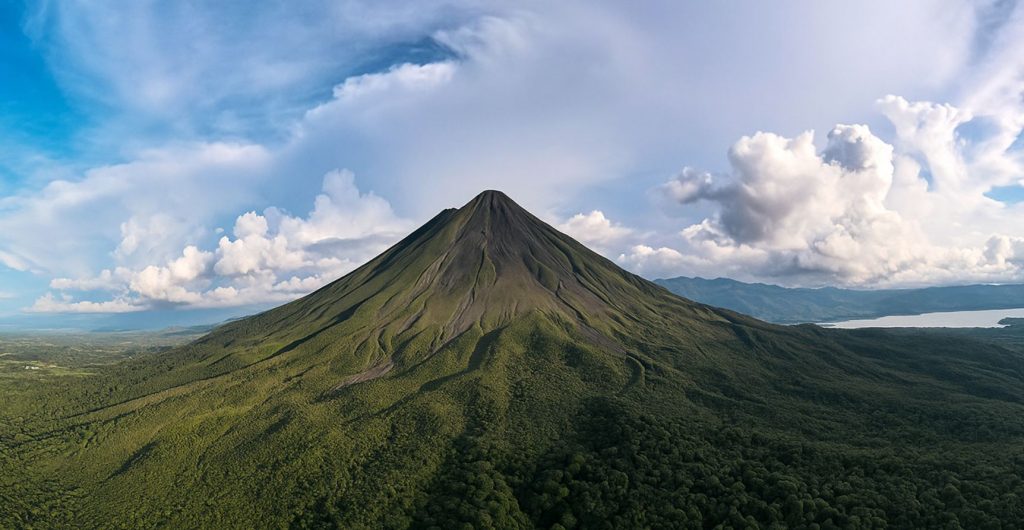
No, you cannot hike to the top of Arenal Volcano. Summit access has been permanently closed to the public, a restriction enforced due to ongoing volcanic activity, unstable slopes, and the risk of toxic gas near the crater. Every legal hiking trail in the area stays on the base and lower slopes, well below the summit itself.
Why The Summit Stays Closed
Arenal is an active volcano, and dormancy doesn't mean the mountain is considered safe to climb. The upper slopes remain unstable, loose volcanic rock makes footing dangerous, and gas can vent near the crater without warning. Park rangers enforce the closure, and attempting to climb past the marked boundary risks fines, ejection from the park, and real physical danger from rockfall or gas exposure.
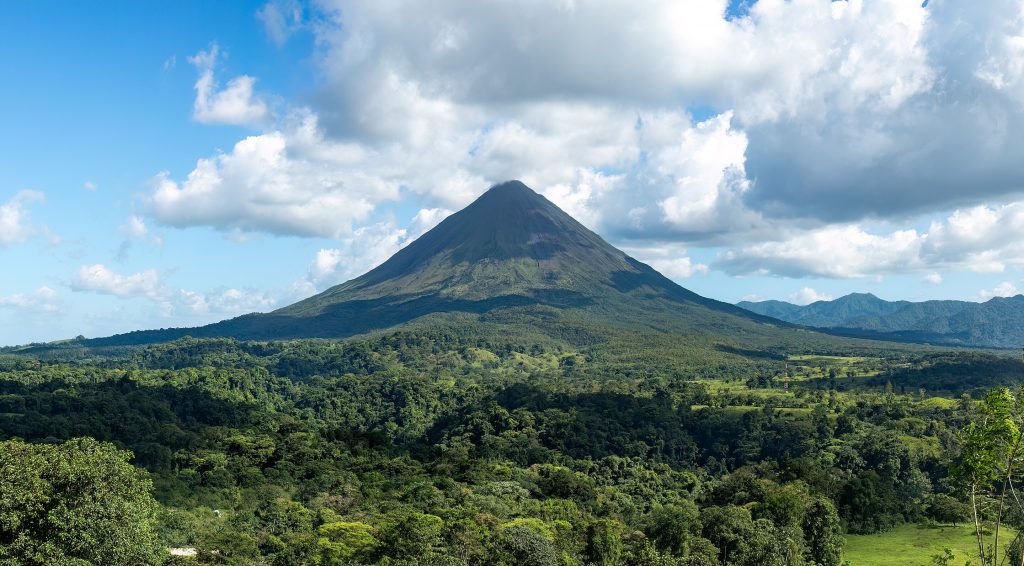
This isn't a new or temporary rule brought on by current conditions. Summit access was never open at Arenal, even before its major 1968 eruption, which killed dozens of people and destroyed nearby villages, kicking off an active period that lasted until roughly 2010. The closure has simply carried through the volcano's entire modern history, active or dormant.
It's also worth knowing this makes Arenal different from a couple of other Costa Rican volcanoes. Places like Irazú and Poás let visitors drive close to crater viewpoints under controlled conditions. Arenal has never offered anything comparable, which is a fundamental fact about visiting it rather than a restriction unique to this particular trip.
What Hiking Near Arenal Actually Looks Like
All legal hiking happens on trails circling the base of the volcano, mostly inside Arenal Volcano National Park or on adjacent private land. The park's main routes include Las Coladas, a shorter trail winding through an old lava flow with strong volcano views, Los Tucanes, a longer route favored for wildlife spotting, and El Ceibo, an easier option for a shorter walk. National park entry runs around $15 for self-guided access.
Arenal 1968 offers lava and volcano-base trails; Mistico is a separate hanging-bridges park with its own entry. It leans more toward the canopy and bridge experience than pure volcano viewing, and it's typically priced a bit lower than national park entry.
None of these trails involve serious elevation gain. Most stay under a few hundred feet of climbing and cover one to roughly two and a half miles, rated easy to moderate and manageable for anyone with average fitness. A guided tour that bundles the volcano trails with the hanging bridges, such as the Arenal Volcano & Hanging Bridges Tour, adds a local guide's eye for spotting wildlife that's easy to miss on a self-guided walk.
Do The Base Views Actually Make Up For It?
Genuinely, yes, and this isn't just a consolation line. Because Arenal keeps its famously symmetrical cone shape, looking up at the full volcano from the base trails and lava fields tends to produce a more dramatic photo and a clearer sense of scale than a hazy view down from a crater rim ever would. Trails like Las Coladas put you directly on old lava rock with the cone rising straight overhead, which is the view most people actually picture when they think of Arenal.
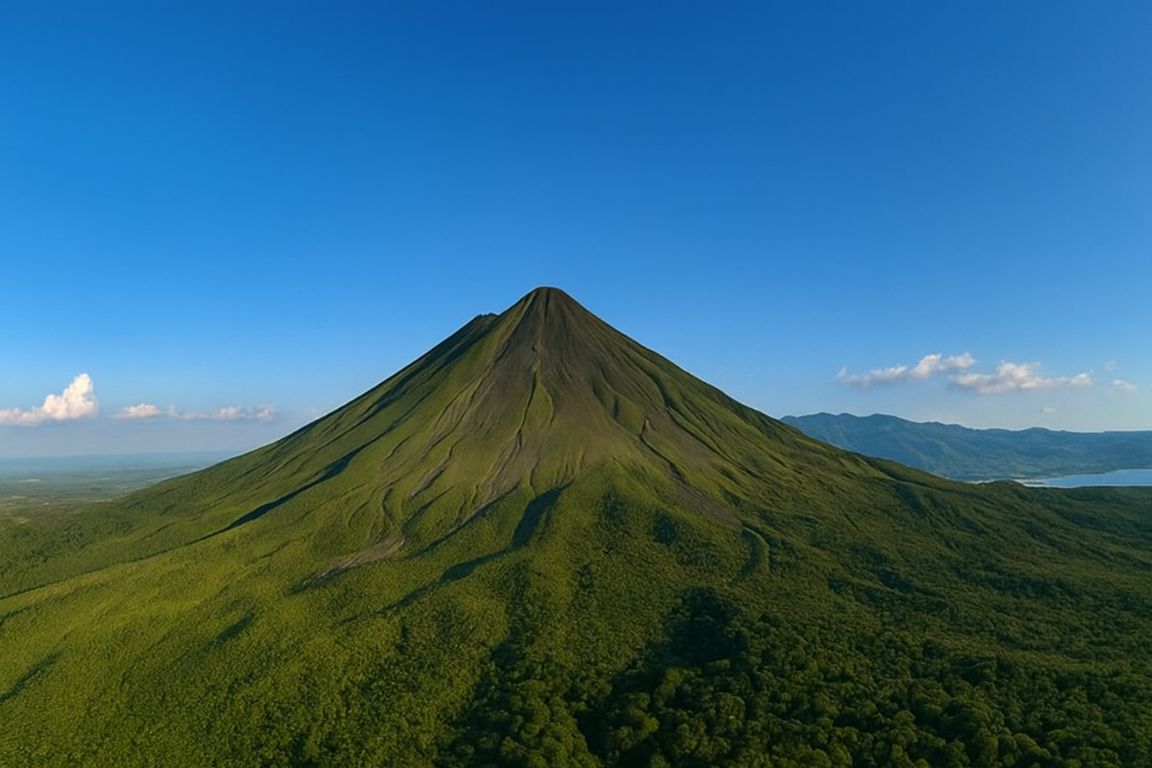
Early morning hikes, roughly 6-8am, give the best odds of a clear summit view before afternoon clouds roll in, especially outside dry season. If volcano viewing is the priority, timing the hike early matters more than which specific base trail you pick.
Planning Around The Closure
If summiting was the plan, it helps to reset expectations before the trip rather than during it. What Arenal offers instead is a full day of lava-field hiking, hanging bridges, wildlife spotting, and volcano photography from angles that most other destinations can't match, just without a crater-rim finish line. Pairing a base trail hike with the waterfall or a hot-springs stop the same day, which is how the full-day waterfall and hot springs tour is structured, is the standard way visitors round out an Arenal hiking day without needing summit access at all.
Plan Your Next Step
Compare Your Complete Costs
Book for accessible base scenery, never for summit access. Compare a full sightseeing day with a separate guided Mistico walk; neither reaches the crater.
Booking links may earn us a commission at no extra cost to you. Prices and availability are confirmed by the booking provider.
10 Hours Listed
Volcano, Waterfall And Hot Springs
A planned day linking the main sights and a thermal soak.
- Includes
- Guide, listed park and hot springs fees, lunch and drinks.
- Getting There
- La Fortuna pickup; confirm your hotel.
A long walking day with waterfall steps. Does not promise Tabacón; not wheelchair accessible.
Book The Volcano & Waterfall Day3 Hours Maximum Listed
Mistico Guided Hanging Bridges Walk
Add a naturalist to a canopy walk while keeping the rest of your day free.
- Includes
- Park admission and naturalist guide.
- Getting There
- Meet at Mistico Park; transport is not provided.
Listed duration is 1–3 hours. Wildlife is not guaranteed. Listing states non-refundable; confirm before payment.
Book A Mistico Naturalist Walk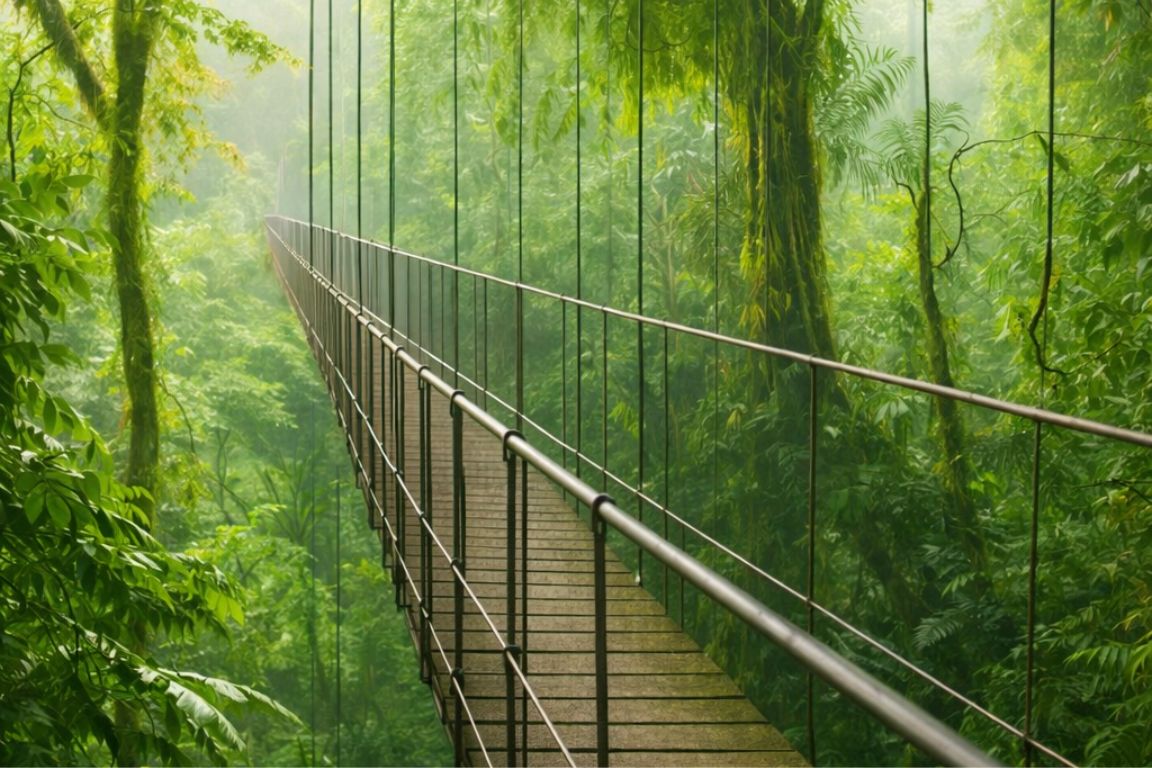
Practically, that means packing for a moderate rainforest walk rather than a mountaineering trip: sturdy hiking shoes or boots, rain protection even in dry season since weather shifts fast at elevation, at least a couple liters of water, and sun protection for the exposed, open sections of trail near old lava flows. None of the base trails demand technical gear or prior hiking experience, which is part of why they work well as a half-day add-on rather than a dedicated expedition.
How This Compares To Other Costa Rican Volcano Hikes
Because Irazú and Poás allow driving close to their craters, some travelers arrive at Arenal expecting a similar option and are surprised to learn it doesn't exist here. It's worth internalizing this difference before booking rather than after, since itineraries built around "hiking the volcano" in the literal summit sense need to be adjusted specifically for Arenal. The upside is that Arenal's closure has protected its lower forest and lava-flow trails from the kind of heavy development seen at some crater-access volcanoes, which keeps the base hiking experience feeling genuinely wild.
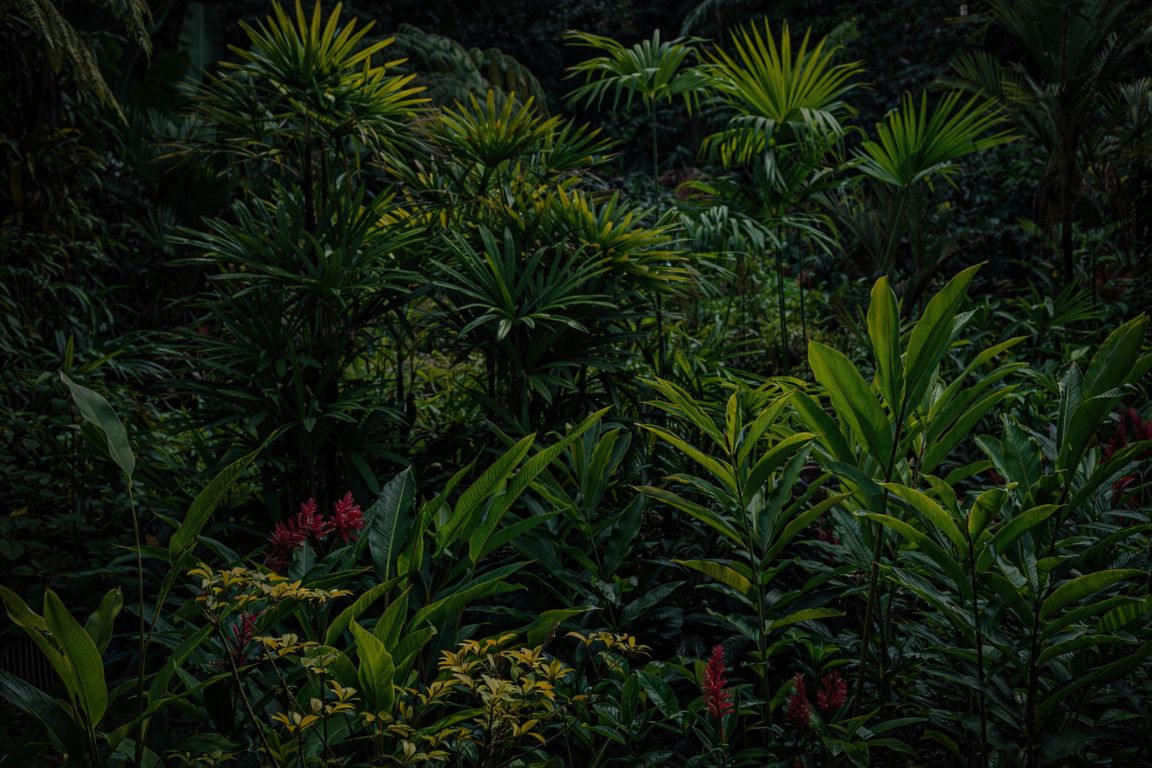
That tradeoff tends to land well with most visitors once they see it in person. A drive-up crater view is convenient, but it's also a fairly brief stop for most people. A morning spent walking through regenerating rainforest and old lava fields with the cone rising overhead the entire time is a slower, more immersive way to spend a few hours, even without a summit finish.
Choose Your Activity Date
Volcano, Waterfall And Hot Springs: A planned day linking the main sights and a thermal soak.
Use the provider’s calendar to select your date, party and departure. Live availability is checked on the booking page.