Is It Safe To Swim In Costa Rica'S Hot Springs?
A honest look at what makes Arenal's hot springs safe to swim in, and where the real risks actually come from.
Choose facilities and follow water precautions before thinking about a booking. A guided itinerary can simplify transport, but it does not certify a pool as risk-free. Compare The Options Below.
Plan In Brief: Choose facilities and follow water precautions before thinking about a booking. A guided itinerary can simplify transport, but it does not certify a pool as risk-free. Choose Your Activity, then confirm your date.
Water precautions: keep your head above naturally heated water, as the CDC recommends. A paid resort or guided tour does not eliminate every water risk. Follow posted temperatures and closures, and ask a clinician about individual medical concerns. Read The CDC’s Hot-Water Precautions.
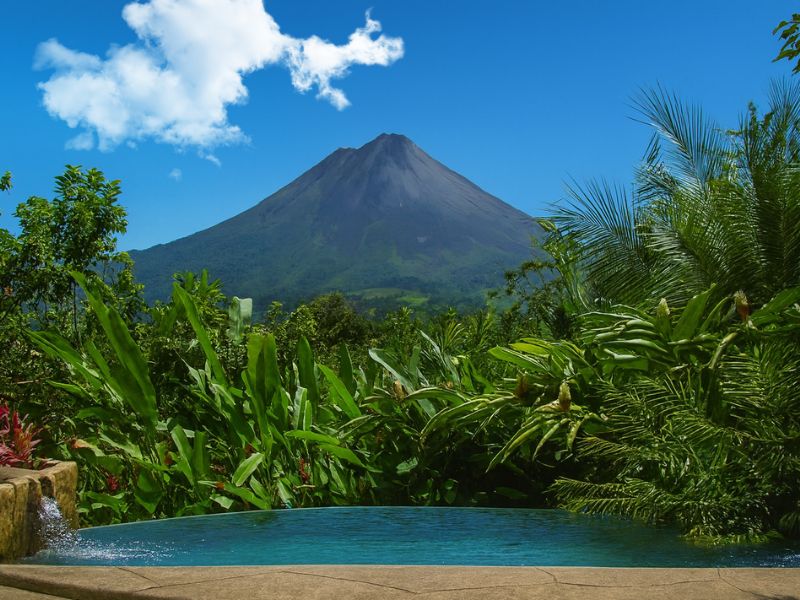
Earlier budget ranges in this guide are planning estimates, not current quotes. Confirm current fees, access rules and the selected tour option before booking.
Yes, swimming in Costa Rica's hot springs is safe for the large majority of visitors, whether you pick a developed resort like Tabacón or Baldi or one of the free, undeveloped springs near La Fortuna. The real question isn't safety in the abstract, it's which kind of spring you're dealing with, because developed and undeveloped sites carry very different levels of supervision.
Developed Resorts Vs. Free Springs: The Real Difference
Around La Fortuna, several distinct hot-springs resorts draw on the same volcanic run-off that feeds the area's rivers: Tabacón Thermal Resort and Spa, Baldi Hot Springs Hotel Resort and Spa, The Springs Resort and Spa, Arenal Manoa, and Hotel Arenal Springs Resort, among others. These are commercial properties with staff on-site, maintained pools, and a steady flow of paying guests moving through them every day.
Plan Your Next Step
Compare Your Complete Costs
Choose facilities and follow water precautions before thinking about a booking. A guided itinerary can simplify transport, but it does not certify a pool as risk-free.
Booking links may earn us a commission at no extra cost to you. Prices and availability are confirmed by the booking provider.
10 Hours Listed
Volcano, Waterfall And Hot Springs
A planned day linking the main sights and a thermal soak.
- Includes
- Guide, listed park and hot springs fees, lunch and drinks.
- Getting There
- La Fortuna pickup; confirm your hotel.
A long walking day with waterfall steps. Does not promise Tabacón; not wheelchair accessible.
Book The Volcano & Waterfall DayThen there are free or low-cost, undeveloped hot springs scattered near the base of the volcano and along local rivers. One frequently cited example, described by the Costa Rican rental-car company Vamos Rent-A-Car, is informal: no entrance booth, best visited before 9am while access is easiest, and typically $15 or less if there's any charge at all.
Both kinds of springs get used by travelers every week without incident. The factor that actually matters for safety isn't the water itself, since it comes from the same volcanic source either way. It's oversight. A resort pool has someone watching it. An undeveloped spring generally doesn't.
What The Resorts Do To Keep Swimming Safe
At a developed resort, safety comes down to routine maintenance more than anything exotic. Pools are sized and zoned so guests aren't wading straight into the hottest source water, walkways and steps are built to handle wet bare feet, and staff are around to flag a pool running hotter or colder than it should. A day pass at somewhere like The Springs Resort and Spa runs around $100-125 depending on the season, and part of what that buys is supervision along with the pools themselves.
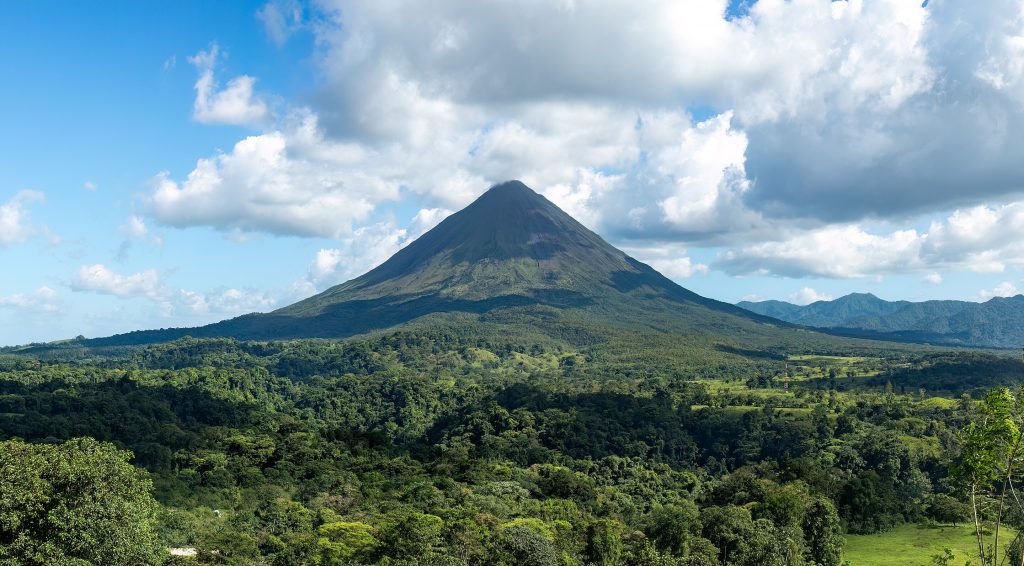
Baldi Hot Springs is well known in its own right, though the $211 figure that shows up for it online is a hotel room rate, not a pool-only day pass, so don't assume that number is what a swim there actually costs.
None of this makes a resort pool risk-free. Some pools genuinely run hot, and moving between a very warm pool and a cool one too fast can leave anyone lightheaded. If a property posts temperatures at each pool, read them, and don't feel obligated to try every pool in one visit just because they're all right there.
What To Know About Free, Undeveloped Hot Springs
The undeveloped springs near La Fortuna have a decent safety reputation, but "safe" means something different at a site with no fence and no attendant. There's no lifeguard, no posted temperature, and nobody checking the trail or the riverbank for hazards after a heavy rain. Going earlier in the day, before a site gets muddy or crowded, is the practical advice that keeps showing up in traveler accounts of these spots.
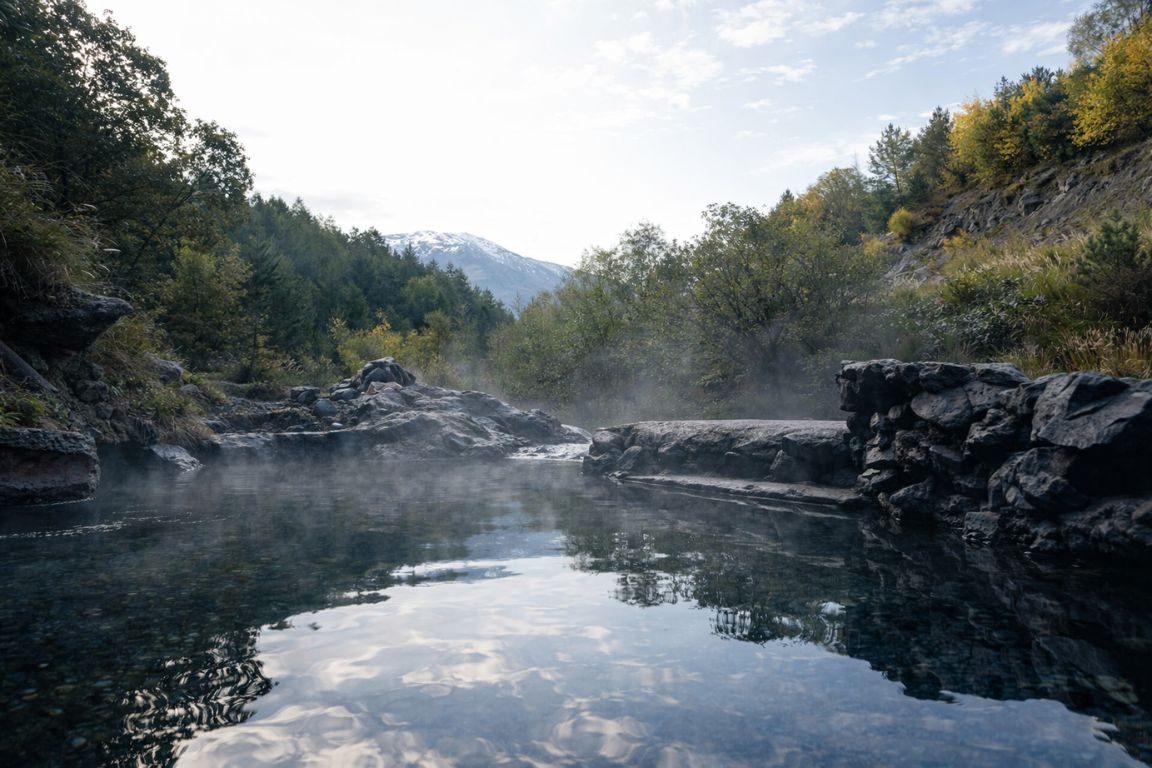
Because these are natural pools fed directly by underground volcanic heat, temperature can vary noticeably from one pocket of water to another, sometimes within the same pool. Ease in slowly instead of jumping straight in, and if a spot feels uncomfortably hot, move rather than tough it out.
Why The Water Is Hot In The First Place
Arenal Volcano sits at the center of all of this, and the heat in these springs traces back to the same underground volcanic activity that shaped the mountain. Groundwater passing near hot rock deep below the surface picks up heat and minerals before surfacing as warm rivers and pools around the base of the volcano. That's true whether the water eventually feeds a landscaped resort pool or bubbles up in an unmarked spot along a river, so the heat source itself isn't a safety variable between the two. What differs is entirely about how the site around that water has been built and staffed.
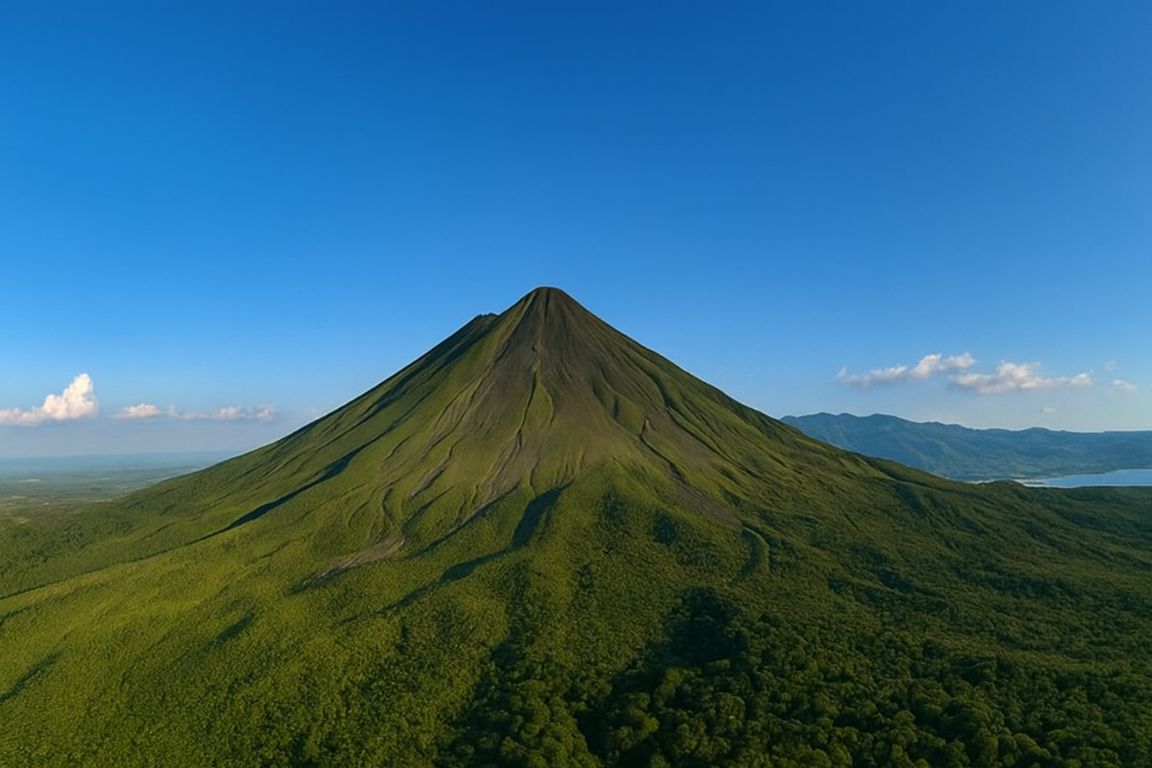
This also explains why temperature can shift from one pool to the next even within a single property. Water closer to the source runs hotter, and resorts design pool systems specifically to cool and distribute it before it reaches guests, which is part of why a resort soak tends to feel more consistent than a natural pocket of river water.
Simple Precautions That Cover Almost Everything
Whichever kind of Arenal hot spring you visit, a handful of habits cover most of the real risk. Stay hydrated, since hot water on top of tropical heat adds up faster than people expect, and it's easy to underestimate how much you're sweating while sitting in warm water outdoors. Limit how long you sit in the hottest pools, especially in the first few minutes of your soak, and take breaks in cooler water or in the shade rather than pushing through discomfort. Skip the springs if you're feeling unwell, have a heart condition your doctor has flagged, or have been drinking heavily, since alcohol and heat exposure together raise the risk of dizziness or fainting. And treat unmarked, undeveloped sites with a little more caution than a staffed resort, simply because no one else is watching the water for you if something goes wrong.
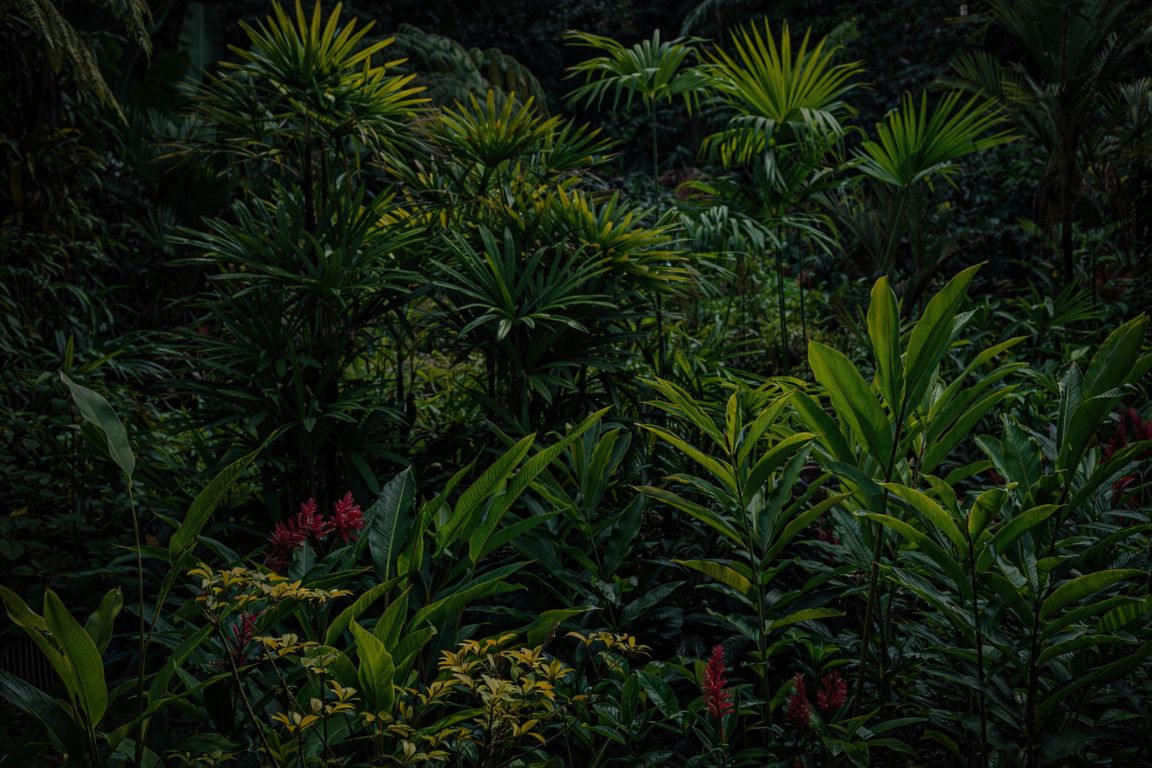
Footing is worth a specific mention too. Rocks around natural hot springs are frequently wet, mineral-coated, and slicker than they look, so moving slowly between pools matters as much as anything about the water temperature itself.
None of this makes Costa Rica's hot springs unusual. It's the same common sense that applies to a hot tub or thermal pool anywhere in the world, just set in a rainforest instead of a hotel courtyard. Most visitors soak, relax, and leave with nothing more dramatic than a good night's sleep and pruned fingertips.
Choose Your Activity Date
Volcano, Waterfall And Hot Springs: A planned day linking the main sights and a thermal soak.
Use the provider’s calendar to select your date, party and departure. Live availability is checked on the booking page.