Best ATV Tours In Arenal (2026)
Ziplines and hanging bridges get most of the attention in La Fortuna, but an ATV tour covers ground neither of those can reach: rural back roads, river crossings, and a private jungle property most visitors never see. Here is what the area's bookable ATV tour actually involves before you commit to a morning behind the handlebars.
Decide whether you want to drive, fly on cables or descend waterfalls. For the ATV, confirm the license requirement and the combined rider weight before booking. Compare The Options Below.
Plan In Brief: Decide whether you want to drive, fly on cables or descend waterfalls. For the ATV, confirm the license requirement and the combined rider weight before booking. Choose Your Activity, then confirm your date.
Earlier budget ranges in this guide are planning estimates, not current quotes. Confirm current fees, access rules and the selected tour option before booking.
An ATV tour is the odd one out on most Arenal adventure lists. It is not a wildlife walk, not a water activity, and not really an adrenaline sport in the way canyoning is. It is closer to an off-road driving tour with a cultural stop built in, and that combination is exactly why it is worth understanding before you book, because it delivers a different kind of morning than the other adventure options nearby.
Most visitors researching Arenal adventures start with ziplining or the waterfall, and an ATV tour tends to come up later as an add-on once those are already booked. That is a reasonable order to research things in, but it means a lot of travelers end up booking an ATV tour without really knowing what makes it different from riding a side-by-side buggy or joining a jeep safari elsewhere in the country. This guide covers the Arenal Volcano ATV Guided Tour in detail, rather than ATV touring in Costa Rica generally.
What Does The Arenal ATV Tour Actually Cover?
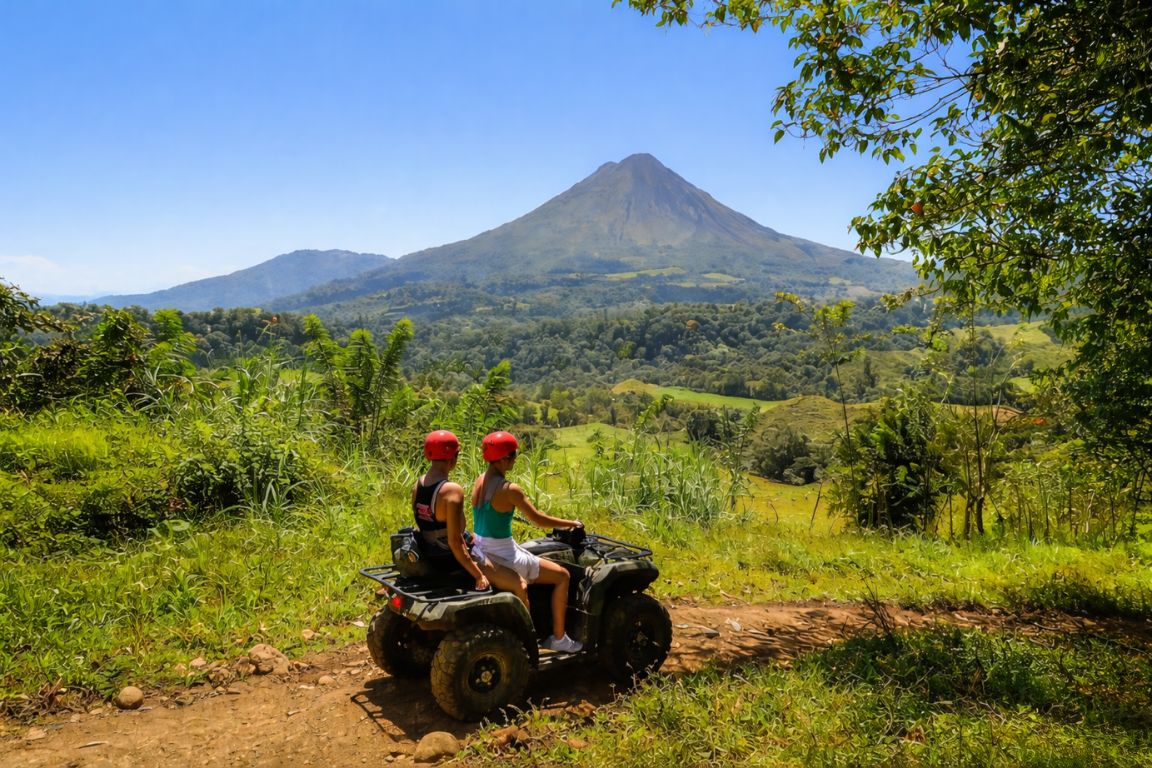
The bookable ATV tour runs through roughly 90% private jungle property, crossing rivers and rainforest paths with photo stops for the volcano's conical shape and Fortuna Valley views, wildlife spotting along the trail, and a visit to a Maleku indigenous home to learn about local traditions. It runs two hours, costs $130 per person, and holds a 4.7-star rating across more than 6,007 bookings on Viator. ATV rental, safety equipment, and a guide are included in that price.
| Detail | Arenal ATV Guided Tour |
|---|---|
| Price | $130 per person |
| Duration | 2 hours |
| Terrain | ~90% private jungle property, rivers, rainforest paths |
| Cultural stop | Maleku indigenous home visit |
| Rating | 4.7 out of 5 |
| Bookings | 6,007+ |
| Platform | Viator |
The private-property angle matters more than it might sound. Public ATV trails around La Fortuna can get congested with multiple operators running similar routes, especially during high season. Running through mostly private land keeps the group off shared, worn-down paths and gives the operator more control over trail conditions and pacing.
The Maleku stop is not a token add-on either, it is built into the route as a real visit to a Maleku home where guides share sacred traditions and ancestral culture specific to that community. It is worth going in with realistic expectations: this is a guided tour stop on a fixed schedule, not an extended cultural immersion, but it is a genuine point of contact with an indigenous community that most standard nature tours around Arenal do not include.
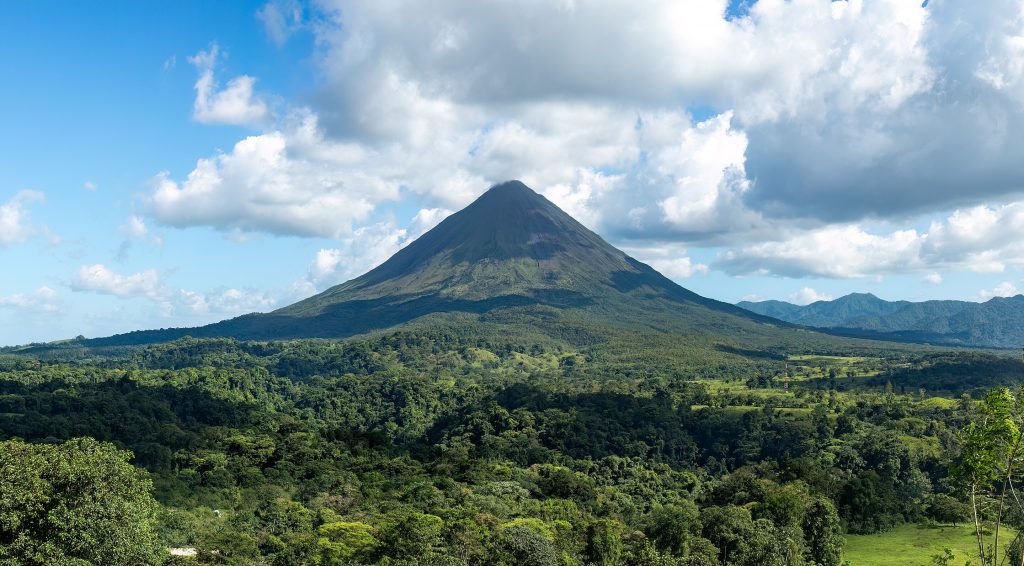
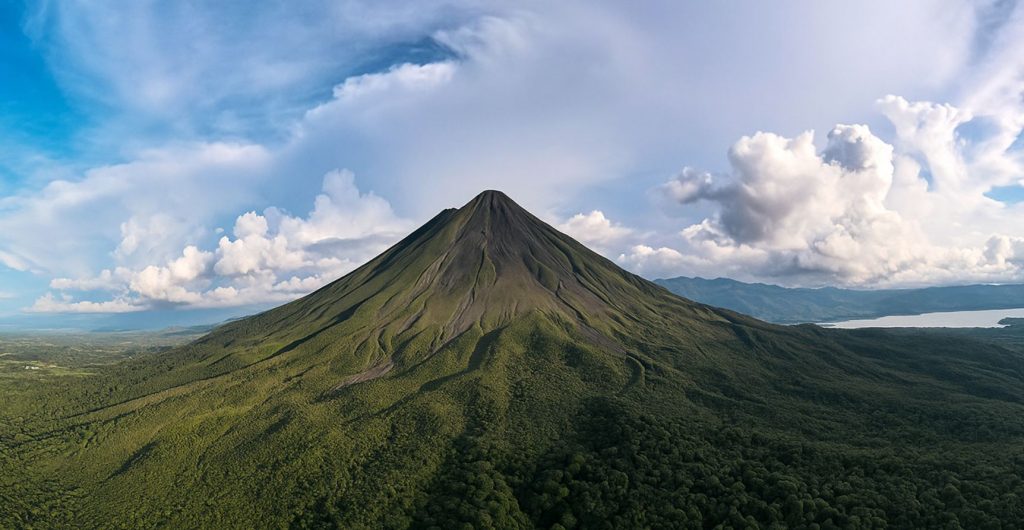
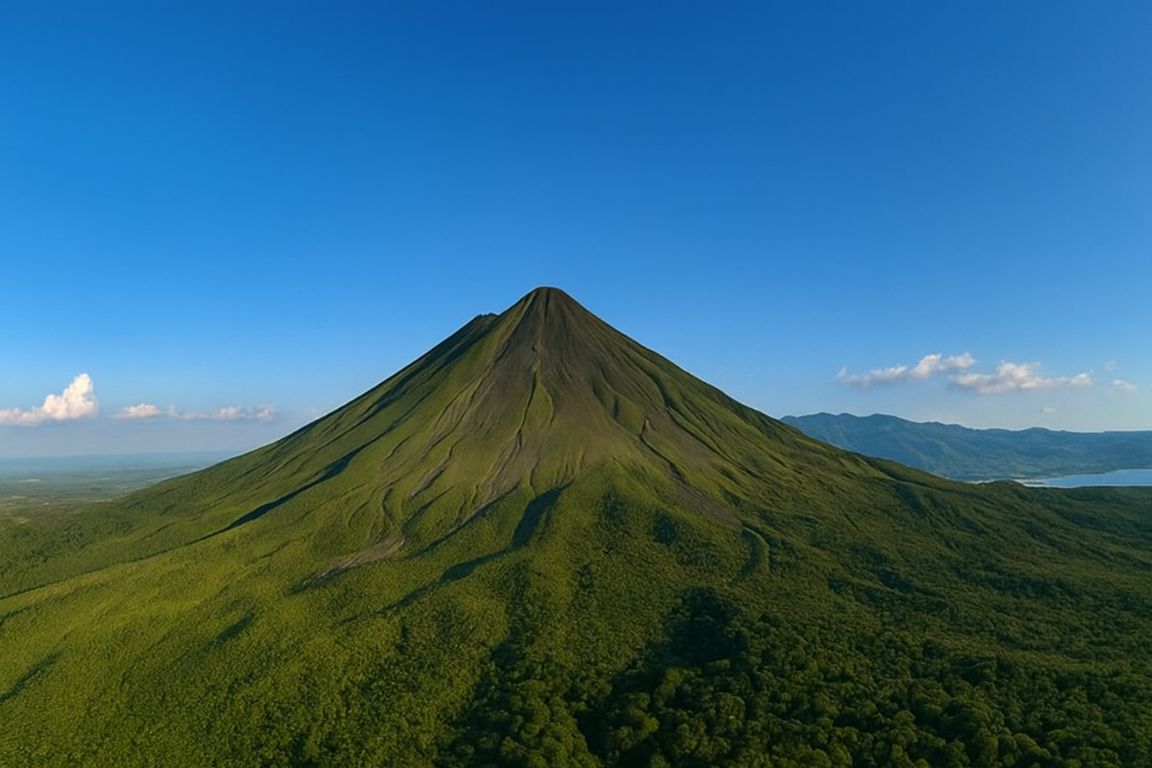
The photo stops built into the route are worth planning around if photography matters to you. The volcano's conical shape and the Fortuna Valley views are the two named highlights in the tour's own description, and guides typically pause the group at these points rather than expecting riders to snap photos while moving. Given how much dust and mud can be part of the ride, a phone in a sealed pocket tends to work better than a camera you are trying to keep clean and dry all morning.
How Physically Demanding Is ATV Riding, And Who Can Do It?
Driving an ATV requires more coordination than fitness. You steer, brake, and manage throttle yourself under guide supervision, so a moderate level of comfort operating a vehicle matters more than cardio conditioning. The terrain includes river crossings and rainforest paths, so expect some jostling and mud, not a smooth paved ride.
Most operators in this category require a valid driver's license to pilot your own ATV, with younger riders or non-drivers typically riding as a passenger behind an adult driver rather than operating solo. This listing markets itself as family-friendly, but the practical driving requirement is worth confirming directly if you are traveling with teenagers who want to drive rather than ride along, since exact age and license rules vary by operator and this listing does not publish a specific cutoff.
Fitness-wise, most healthy adults handle two hours of ATV riding without difficulty, since the vehicle itself absorbs much of the physical jostling rather than transferring all of it to the rider the way a mountain bike or horse would. The parts that do tax you are core stability through rough sections and general alertness, since you are actively steering and braking rather than being a passive passenger, even on a well-guided route.
What Terrain And River Crossings Should You Expect?
The route crosses rivers and cuts through rainforest paths on largely private land, a mix that produces mud, uneven ground, and the occasional shallow water crossing rather than groomed off-road trails. This is consistent with how ATV touring works elsewhere in the La Fortuna area, where operators favor rural back roads and farmland cut with river access over paved or maintained surfaces.
Expect to get somewhat dirty. Splashback from river crossings and mud on unpaved sections is part of the experience, not a flaw in it, and most riders find that part of the appeal rather than a downside. Wear clothes you do not mind getting muddy, and skip anything you would be upset to ruin.
How Many Riders Per ATV, And Do I Need To Share?
ATV touring in the La Fortuna area is generally set up as single or tandem riding, where you either operate your own quad or ride behind a licensed driver, distinct from side-by-side buggy tours elsewhere in Costa Rica that seat two or four people in an enclosed roll cage. Confirm the exact vehicle setup and whether solo or shared riding is available on the Arenal Volcano ATV Guided Tour listing, since this affects both the driving experience and the price per person in a group.
Couples and families often split into driver and passenger roles for at least part of the tour, particularly when one person is not comfortable driving or does not hold a valid license. Guides are used to managing mixed groups of drivers and passengers moving at the same pace, so this is a normal request rather than an inconvenience for the operator.
Is This A Private Tour Or A Shared Group Experience?
ATV tours in La Fortuna are generally run as shared group departures rather than fully private outings, meaning your group rides alongside other travelers booked on the same time slot, all led by one or more guides. This listing does not advertise a private-only option, so expect to share the trail and the Maleku home stop with other guests unless you specifically arrange a private booking through the operator.
Group size on shared departures varies by day and season, generally staying small enough that a guide can keep everyone in sight and manage the pace safely on off-road terrain. Larger groups mean more spacing between vehicles on the trail and slightly more waiting at photo stops and the cultural visit, while smaller groups tend to move faster and get more one-on-one guide attention. Neither is a downside exactly, it is simply useful to know your ride will likely include other travelers rather than being an exclusive experience by default.
If riding privately matters to you, whether for a special occasion or simply personal preference, ask on the Arenal Volcano ATV Guided Tour listing whether a private departure is available and what it costs above the standard per-person rate, since that option is not detailed in the standard listing.
How Does The ATV Tour Compare In Price To Other Arenal Adventures?
At $130 for two hours, the ATV tour is the highest per-hour price among the site's core adventure products, running above the 12-cable zipline ($107, 2 hours) and waterfall rappelling ($105, 3 hours). The gap reflects the cost of ATV rental and maintenance plus the private-land access and cultural stop built into the route.
| Activity | Price | Duration | What's distinct |
|---|---|---|---|
| ATV Guided Tour | $130 | 2 hours | Private land, river crossings, Maleku home visit |
| 12-Cable Zipline | $107 | 2 hours | Waterfall crossing on cable 12 |
| Waterfall Rappelling | $105 | 3 hours | 4 waterfall descents, 3 pool jumps, riverside lunch |
| Waterfall Jumping & Extreme Canyoning | $108 | 6 hours | 150-foot rappel, cliff jumps up to 40 feet |
Google's aggregated data on the broader Arenal tour market puts general half-day and full-day excursions from $15 to $85 per person, a range that includes far less equipment-heavy activities like nature walks and short viewpoint visits. Specialized, equipment-based adventure activities like ATV touring routinely price above that broader market figure, and $130 sits in line with what fuel, machine upkeep, and private-land access licensing typically cost an operator to deliver.
It helps to think about what is actually built into that $130 beyond the two hours on the trail. A gas-powered vehicle needs fuel and regular maintenance that a zipline's steel cable and pulley system simply does not, and running tours across private land generally means the operator is paying the landowner for access rights, a cost that gets built into the tour price rather than charged separately. The Maleku home visit adds another layer, since that stop represents a working relationship between the tour operator and the community being visited, not a free roadside detour.
What If You Don'T Want To Drive: Are Passenger-Only Spots Available?
Riding as a passenger behind a guide or another licensed driver is generally an option for travelers who do not hold a driver's license, are nervous about operating the vehicle themselves, or are traveling with someone who wants to drive while they enjoy the scenery instead. This is common practice across ATV operators in the region, though the exact setup, and whether it costs the same as driving, is worth confirming on the Arenal Volcano ATV Guided Tour listing.
This matters for group trips with a mix of confidence levels. Not everyone in a family or friend group necessarily wants to operate a vehicle on muddy, unfamiliar terrain, and a passenger option means nobody has to sit out the tour entirely just because they would rather not drive. Guides are used to accommodating this kind of split within a single group booking.
Do You Need Experience To Ride An ATV In Arenal?
No prior ATV experience is expected. The tour is guided from start to finish, with an orientation on the vehicle's controls before the group sets out, and pacing is set by the guide rather than left to individual riders. First-time drivers typically pick up the basics of throttle and braking within the first few minutes on a low-speed practice stretch before hitting the main trail.
That said, "no experience needed" is not the same as "no attention needed." ATVs are more powerful and less forgiving than they look, and the guide's instructions on speed, spacing between vehicles, and how to handle river crossings exist because those are the moments where inexperienced riders most often make mistakes. Riders who treat the vehicle casually, gunning the throttle on turns or following too closely, are the ones most likely to have a rough morning.
Costa Rica's ATV tourism industry is well established, and this route follows the same general safety pattern used across the sector: a briefing before departure, a slow warm-up stretch to get comfortable, then progressively opening up the pace once the guide sees riders handling the vehicle confidently. Nothing about the format here is unusual or improvised, it follows the practices adventure tourism operators across the region rely on daily with groups of first-time riders.
River crossings deserve a specific mention since they are the one part of the route where terrain changes underfoot without warning. Guides typically scout or already know the crossing points well and will slow the group and give specific instruction before each one, since submerged rocks and shifting river bottoms are the main hazard rather than the depth of the water itself, which stays shallow on a route built for guided tourism rather than technical off-roading.
What Will You Actually See Along The Route?
Beyond the driving itself, the route is built around photo stops for Arenal Volcano's cone and the Fortuna Valley, wildlife spotting along rural paths, and the cultural stop at a Maleku home. It is a tour that mixes the adrenaline of off-road driving with the sightseeing and cultural content more typical of a guided nature tour.
The volcano photo opportunities depend on weather like every outdoor activity in this region does, but the route is designed with viewpoints in mind rather than leaving sightlines to chance. Wildlife along rural paths and farmland edges tends to be different from what you would see deep in primary rainforest on a hiking trail, expect birds, and possibly smaller mammals along field edges, rather than the sloth and monkey density of a dedicated wildlife walk.
Because the route runs through farmland and rural back roads rather than deep primary forest, do not expect the same density of sloths and monkeys you would find on a dedicated wildlife walk through the national park. What you gain instead is a wider view of how the Fortuna Valley is actually used day to day, working farms, rural homes, and river crossings that locals rely on, a texture that a purely nature-focused tour does not really show you.
The Fortuna Valley views in particular open up at points where the trail climbs above the surrounding farmland, giving a wider perspective on the region than most water-level or canopy-level activities offer. It is a different kind of scenery from what you get inside the rainforest on a hiking trail or zipline course, more open landscape and agricultural land rather than dense canopy, which is part of what makes the ATV tour feel distinct even though it covers similar geography to some of the site's other adventure products.
What Should You Pack For An ATV Tour?
Closed-toe shoes, clothes you do not mind ruining, and eye protection against dust and mud spray are the essentials. Because the route includes river crossings, a full change of clothes waiting at your hotel afterward is worth planning for even though the tour itself does not require it.
| Item | Priority | Why |
|---|---|---|
| Closed-toe shoes or boots | Essential | Required for safe vehicle operation and foot protection |
| Clothes you don't mind getting muddy | Essential | River crossings and unpaved trail sections splash and stain |
| Sunscreen and insect repellent | Essential | Extended time outdoors on an open vehicle |
| Sunglasses or protective eyewear | Recommended | Dust and mud kick up while riding, confirm if goggles are provided |
| Change of clothes at hotel | Recommended | River crossings often leave riders wet or muddy by the end |
| Cash for guide tip | Recommended | Standard practice across guided adventure tours in the region |
| Valid driver's license | Situational | Typically required if you plan to drive rather than ride as passenger |
ATV Vs Zipline Vs Canyoning: Which Fits Your Trip?
Choose the ATV tour if you want to cover more physical ground than a zipline allows and you are drawn to the cultural stop at a Maleku home. Choose the zipline if two hours and a simpler physical bar matter more than terrain variety. Choose rappelling or canyoning if getting wet and doing something more physically intense is the point of your day.
Plan Your Next Step
Compare Your Complete Costs
Decide whether you want to drive, fly on cables or descend waterfalls. For the ATV, confirm the license requirement and the combined rider weight before booking.
Booking links may earn us a commission at no extra cost to you. Prices and availability are confirmed by the booking provider.
2 Hours Listed
Arenal Guided ATV Ride
Explore rural trails by quad bike with a guide and helmet.
- Includes
- ATV, helmet, guide and water.
- Getting There
- Shared pickup within 3 km of central La Fortuna; farther hotels cost extra.
Driver license required; children 5+ as eligible passengers. Maximum 150 kg per ATV. Not wheelchair accessible.
Book The Guided ATV Ride2.5 Hours Listed
Arenal 12-Cable Zipline
See the canopy from 12 cables with an equipped zipline team.
- Includes
- Guided zipline circuit and equipment.
- Getting There
- Confirm the listed meeting or pickup arrangement.
Height exposure and harness fit matter. Confirm age and weight limits before booking; not a waterfall entrance ticket.
Reserve The 12-Cable Zipline3 Hours Listed
La Roca Waterfall Rappelling
Choose a shorter guided waterfall descent with supplied technical gear.
- Includes
- Guided canyoning and safety equipment.
- Getting There
- Check your meeting point or pickup with the operator.
Moderate fitness; not wheelchair accessible or recommended for pregnancy, back or serious heart conditions. Confirm minimum age.
Book Waterfall RappellingFamilies traveling with a mix of ages sometimes find the ATV tour is the activity that best threads the needle: it does not require the swimming comfort that canyoning does, but it delivers more of a genuine outdoor adventure feel than ziplining's platform-to-platform format. It is also the only one of the four core adventure products on this site that includes a dedicated cultural component, which matters if you are trying to balance thrill activities with something more grounded in local life during your trip.
When Is The Best Time Of Year To Book An ATV Tour?
Dry season, roughly January through April, gives the firmest trail conditions and clearest volcano photo opportunities, since river crossings are shallower and mud is less of a factor. Green season, May through November, adds more mud and can make crossings deeper, which some riders find is actually part of the fun rather than a downside.
Because the route depends on river crossings, unusually heavy rain can occasionally affect specific sections, though this is a scheduled tour operating on a fixed circuit rather than a river-level-dependent activity like white-water rafting. If you are visiting during peak green season months, booking a morning departure gives you the best odds of drier trail conditions before afternoon rain typically arrives.
Peak dry season months, particularly February and March, also tend to bring the heaviest tourist traffic to La Fortuna's adventure operators overall, which can mean booking a day or two ahead rather than walking up same-day. Green season carries the advantage of thinner crowds on the trail even if the conditions themselves are muddier.
How Do You Book, And What Should You Expect On Tour Day?
Book online through the Arenal Volcano ATV Guided Tour listing, with round-trip transportation and equipment included in the $130 price. Wear clothes and closed-toe shoes you do not mind getting muddy, bring sunscreen and insect repellent, and secure any valuables in a zippered pocket rather than carrying a loose bag.
On the day, expect a brief driving orientation before the group heads out, covering throttle, braking, and how to handle the guide's hand signals for stopping and slowing on the trail. The route is guided throughout, so you are never finding your own way on the trail, and the guide sets the pace based on trail conditions and how the group is handling the ride.
Is It Worth Tipping Your ATV Guide?
Tipping is customary and not included in the $130 price. Guides on ATV tours manage a group of moving vehicles on uneven terrain, handle river crossings safely, and lead the cultural stop at the Maleku home, work that adventure tourism operators across Costa Rica generally treat as tip-dependent income rather than a fully salaried role.
As with the other adventure tours in this area, there is no single fixed amount, and how much feels right depends on group size, how many guides worked your tour, and your own budget. Bringing cash specifically set aside for this purpose, rather than assuming a card payment covers everything, is the practical approach most repeat visitors to La Fortuna settle on.
Choose Your Activity Date
Arenal Guided ATV Ride: Explore rural trails by quad bike with a guide and helmet.
Use the provider’s calendar to select your date, party and departure. Live availability is checked on the booking page.